

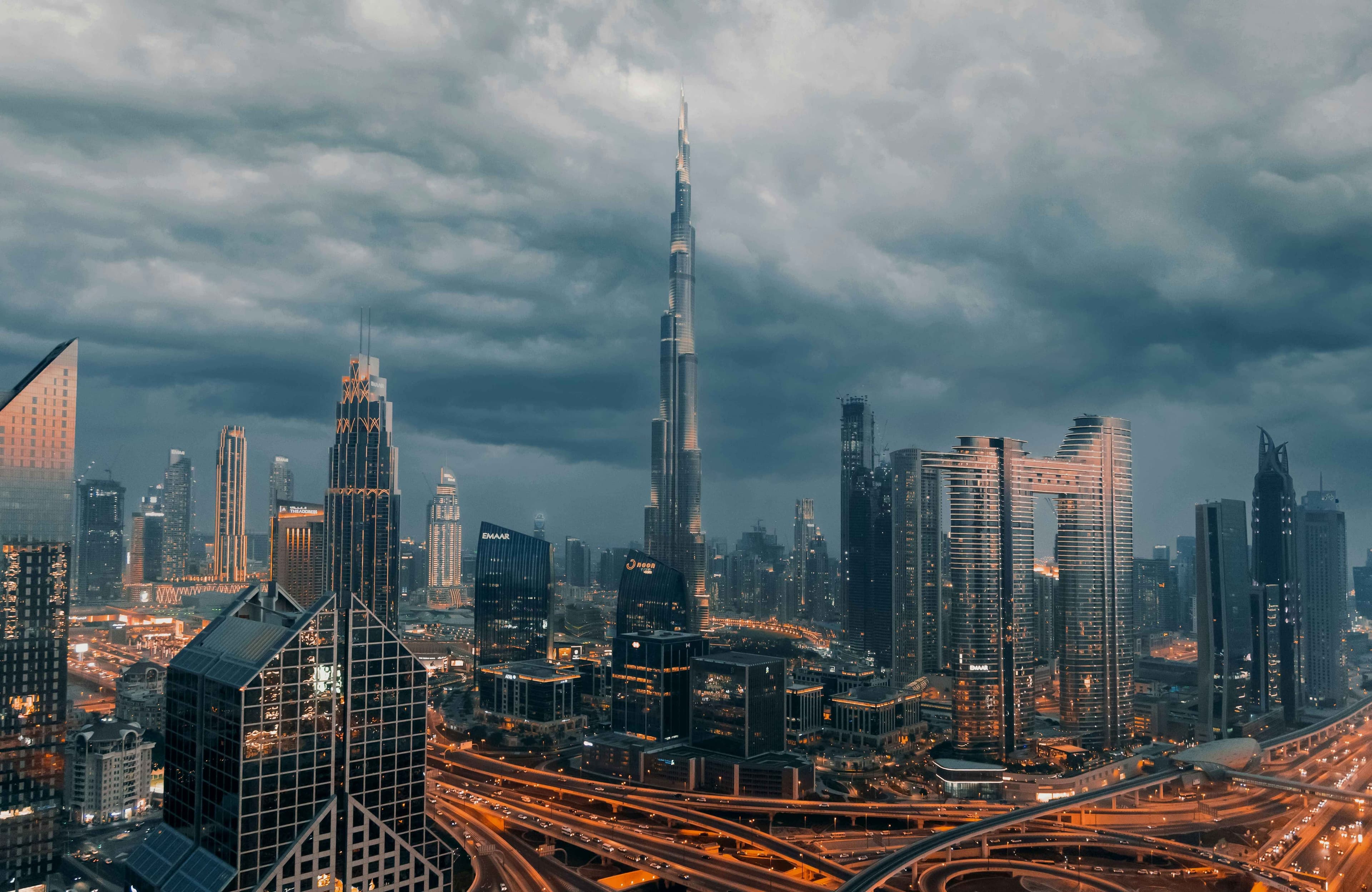
 The city of Dubai, where business confidence remains robust despite shifting global economic conditions. (Unsplash)
Business council leaders operating under the Dubai Chamber of Commerce have reiterated confidence in the emirate’s economic resilience and long-term competitiveness. The discussions are part of ongoing dialogue between policymakers and industry representatives, a model that has become increasingly central to Dubai’s economic strategy.
At the heart of these discussions is a simple but powerful idea: that sustained communication between the public and private sectors can act as an early warning system for economic pressure points while also accelerating opportunity identification. Business council representatives highlighted that Dubai’s ability to respond quickly to shifting global conditions stems from this close coordination, which allows feedback from companies to directly inform policy and regulatory adjustments.
This is not a new approach for Dubai, but the frequency and scale of engagement appear to be intensifying. In recent weeks alone, the chamber has organized dozens of meetings with sector-specific business groups and international councils to better understand evolving market conditions and operational challenges.
These sessions have covered a wide range of industries, from logistics and retail to construction, healthcare and tourism, reflecting the breadth of Dubai’s diversified economy. Participants have consistently pointed to the emirate’s infrastructure, regulatory flexibility, and global connectivity as key advantages that continue to attract both capital and talent.
Business group leaders emphasized that Dubai’s competitive strength lies in its ability to anticipate change and respond with agility. They noted that the emirate’s economic model continues to benefit from diversification, strong public-private collaboration, and a high level of readiness to adapt to shifting global conditions.
While such statements are often expected in official communications, the broader context adds weight. Dubai’s economy has demonstrated consistent expansion in non-oil trade, with chamber members recording export and re-export values exceeding $97 billion (AED356 billion) in 2025, marking double-digit growth year-over-year. This trajectory reflects not only strong external demand but also the emirate’s ability to continuously reposition itself within global trade networks.
Business councils, which represent companies from specific countries or sectors, have played a particularly active role in these discussions. Councils representing markets such as the United States, the United Kingdom, India, and China are among those contributing insights, effectively serving as bridges between Dubai and key global economies.
Their feedback has focused on several recurring themes. One is supply chain diversification, as companies seek to reduce reliance on single-source markets. Another is regulatory clarity, particularly in areas such as licensing, cross-border trade, and emerging technologies. A third is talent mobility, with firms emphasizing the need for policies that support the attraction and retention of skilled professionals.
What stands out is how these concerns are being addressed not in isolation, but as part of a broader economic framework. Dubai Chambers operates under a structure that includes three entities: the Dubai Chamber of Commerce, the Dubai International Chamber and the Dubai Chamber of Digital Economy, each targeting a different dimension of growth, from domestic business support to global expansion and digital transformation.
This multi-layered approach aligns with the emirate’s wider economic agenda, commonly referred to as D33, which aims to double the size of Dubai’s economy over the coming decade and position it among the world’s top three global cities for business and investment. While the strategy is ambitious, its implementation increasingly appears to rely on granular, sector-level engagement rather than top-down directives.
Recent meetings have also reinforced confidence among private sector participants, who have expressed optimism about Dubai’s ability to navigate external shocks. This sentiment is not purely rhetorical. Companies operating in the emirate have continued to expand into new markets, supported by trade missions, international offices, and advisory services facilitated by the chamber.
At the same time, there is a recognition that global conditions remain fluid. Geopolitical tensions, shifting trade policies, and technological disruption are all factors that could reshape business dynamics in the near term. Against this backdrop, the emphasis on continuous dialogue becomes less about routine engagement and more about strategic necessity.
Another notable element is the role of business groups in shaping regulatory frameworks. By providing structured feedback, these groups contribute to policy development in ways that can improve operational efficiency and reduce friction for companies. This collaborative model has been credited with helping Dubai maintain a business environment that is both competitive and adaptable.
The takeaway is less about any single announcement and more about the consistency of the approach. Dubai is not relying on one-off initiatives or headline reforms. Instead, it is building an ecosystem where ongoing interaction between stakeholders becomes a core mechanism for growth.
In practical terms, this means that decisions affecting businesses, from trade facilitation measures to sector-specific regulations, are increasingly informed by real-time input from the companies they impact. It also means that the private sector is not merely reacting to policy changes but actively participating in their design.
Dubai’s message from these latest engagements is clear: resilience is not just about weathering challenges, but about building systems that allow businesses to adapt, evolve, and scale in an increasingly complex global environment.
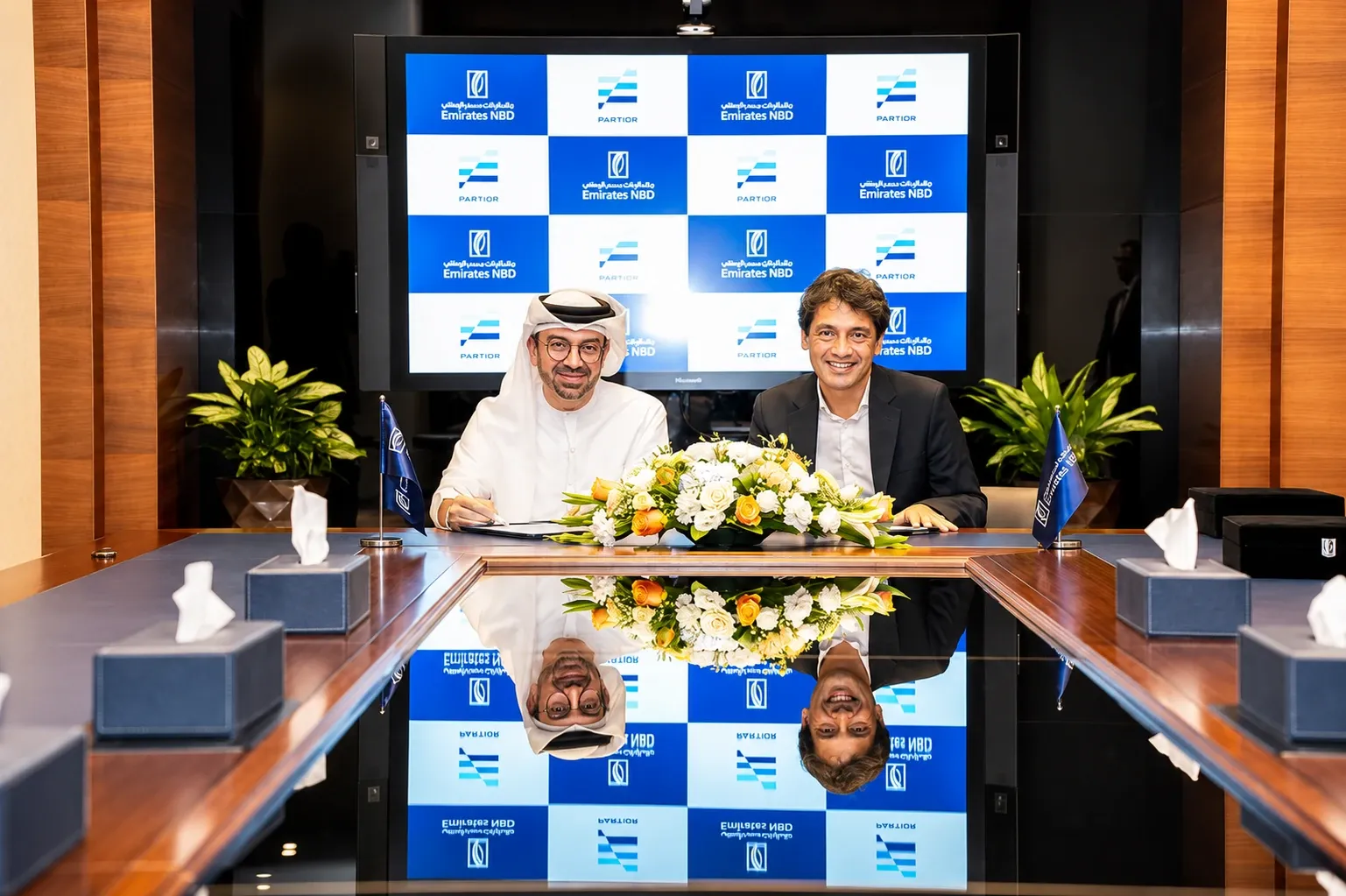
Partior powers faster cross-border settlements
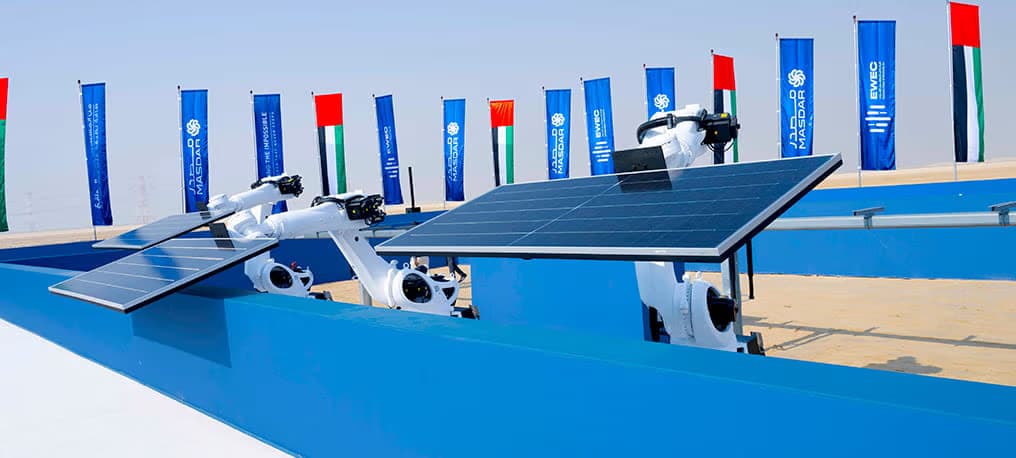
Abu Dhabi backs round-the-clock clean power
Everyday finance gets a Tabby upgrade
ADI Chain steps up global expansion

Stay ahead with the latest updates, insights, and trends shaping the world of finance, investment, blockchain, digital business, fintech, technology, and global markets.
