Dubai’s Roads and Transport Authority is deepening its use of artificial intelligence across the city’s transportation network, this time targeting marine transit operations as part of a broader effort to improve efficiency during seasonal demand fluctuations.
The RTA has deployed AI-powered systems to help optimize the operation of its seasonal marine transport services, including scheduling and route planning based on changing passenger demand patterns.
The initiative reflects how Dubai is increasingly embedding AI into operational infrastructure rather than limiting the technology to pilot programs or isolated digital services. In recent years, the emirate has accelerated investments in smart mobility, predictive analytics, and urban automation as part of its wider digital transformation strategy.
AI Moves into Day-to-Day Urban Operations
Unlike many public-sector AI announcements that focus on long-term ambitions, the RTA’s latest deployment centers on practical operational adjustments that affect daily commuting patterns.
The authority said the system uses data analysis and AI models to monitor passenger movement trends and optimize marine transport scheduling during peak seasonal periods. The goal is to improve passenger flow, reduce operational inefficiencies, and better allocate marine transport resources across the network.
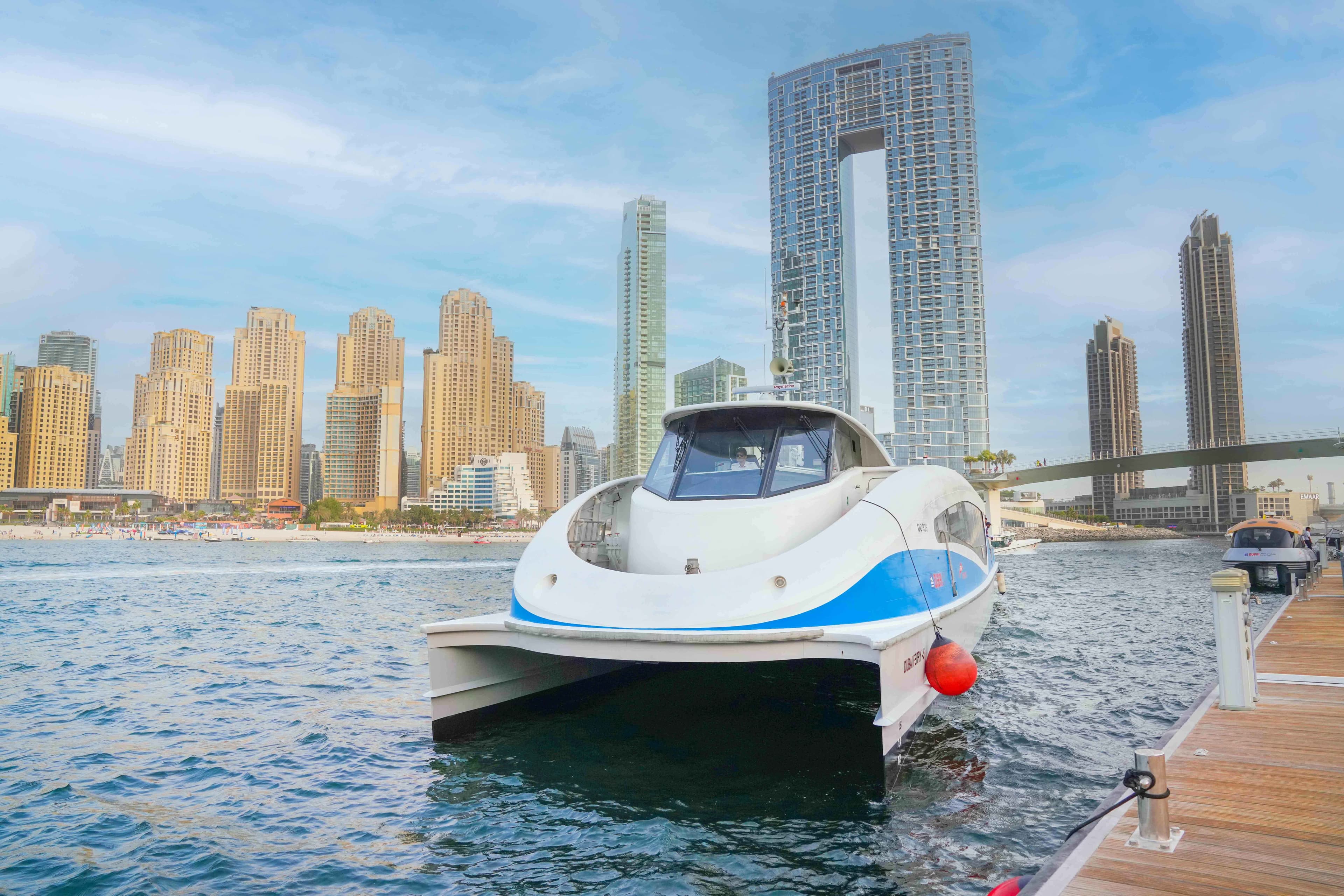
Dubai’s marine transport system includes water taxis, ferries, abras, and tourist-focused maritime routes that become significantly busier during holiday seasons, tourism peaks, and major public events.
By introducing AI-driven forecasting tools, the RTA aims to predict demand fluctuations more accurately and adapt schedules accordingly instead of relying solely on static planning models.
The authority added that the system supports decision-making through a large repository of operational data and predictive analytics designed to improve service responsiveness.
Dubai Advances Smart Mobility Plans
The latest AI deployment aligns with Dubai’s broader push toward smart-city infrastructure and AI-assisted public services.
Dubai has spent years positioning itself as one of the world’s leading urban technology hubs through initiatives linked to digital governance, mobility innovation, and automation. Transportation has become one of the most visible areas of that strategy.
The RTA has previously introduced autonomous transport trials, smart traffic systems, contactless nol payment services, and AI-supported traffic management initiatives as part of Dubai’s long-term mobility plans.
The authority’s continued investment in predictive technologies also comes as cities globally face mounting pressure to modernize public transportation systems amid population growth, tourism expansion, and rising expectations around real-time service reliability.
Rather than treating marine transport as a secondary mobility segment, Dubai has continued integrating water-based transit into its broader urban transportation strategy, particularly in tourism-heavy districts and waterfront development areas.
Predictive AI Reshapes Public Transport
The growing use of predictive analytics in public transportation is becoming a major trend across global smart-city development.
AI-based transportation systems can analyze historical ridership data, weather conditions, event schedules, tourism patterns, and seasonal fluctuations to optimize route allocation and operational timing. In theory, these systems help reduce congestion, shorten wait times, and improve overall network efficiency.
Dubai’s approach reflects a wider transition taking place in urban infrastructure management, where municipal agencies are increasingly using AI not just for customer-facing applications, but for backend operational planning.
Predictive transport systems are becoming increasingly valuable in cities with highly dynamic tourism and business travel activity, where transportation demand can shift rapidly throughout the year.
In Dubai’s case, marine transport serves both commuters and tourists, making demand forecasting particularly important during major travel periods and public events.
AI Adoption Accelerates Across the UAE
The RTA’s latest announcement also fits within the UAE’s broader national AI strategy.
The UAE has emerged as one of the Middle East’s most aggressive adopters of artificial intelligence across government services, infrastructure, cybersecurity, finance, and urban development.
The country launched its National Artificial Intelligence Strategy several years ago and has continued expanding AI integration across public-sector operations. Dubai, in particular, has sought to position itself as a testing ground for emerging technologies tied to smart governance and automated city management.
More recently, the emirate has increased its focus on operational AI deployments that can produce measurable efficiency gains rather than purely experimental initiatives.
The marine transport optimization project highlights how AI adoption in the Gulf is increasingly moving into infrastructure-level systems that operate behind the scenes but directly affect public services.
Dubai’s transportation demands continue rising alongside tourism growth, real estate expansion, and large-scale infrastructure development across the emirate.
Dubai’s transportation network is becoming increasingly complex, pushing transport agencies to improve coordination while managing operational costs and congestion challenges.
AI-driven scheduling and predictive transport planning may help address some of those challenges by enabling agencies to react more dynamically to changing mobility patterns.