

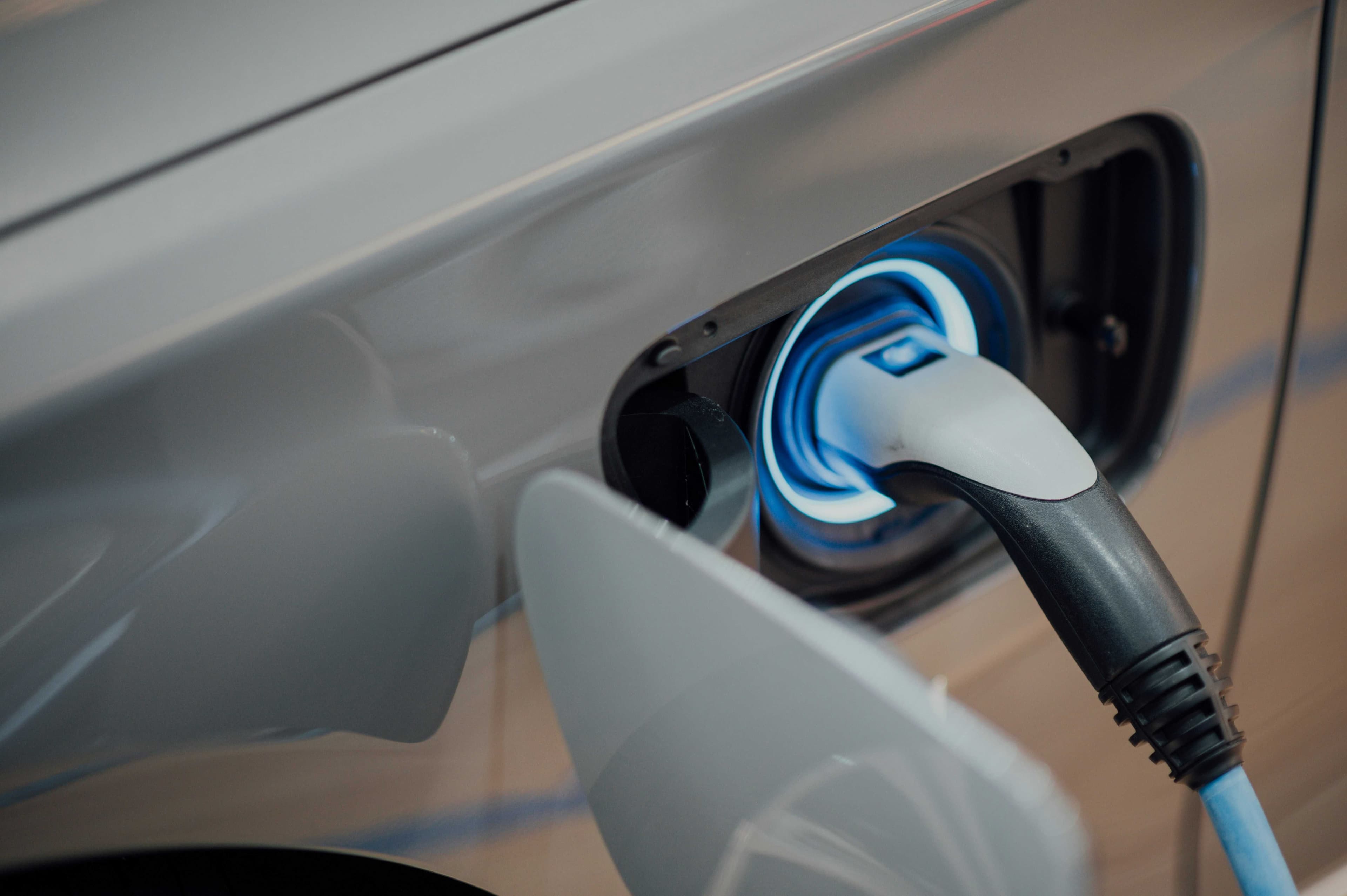
 By placing charging stations in parks and beaches, Dubai is turning everyday destinations into part of its growing EV network. (Unsplash)
At its core, the project is being delivered through a partnership between Dubai Municipality and Emarat EV Charging Stations Company (UAEV), signaling a continued reliance on public-private collaboration to scale infrastructure aligned with the city’s long-term sustainability ambitions.
What makes this rollout notable is not just the scale, but the location. By placing charging stations in high-footfall recreational areas, the initiative integrates EV usage into daily routines rather than treating it as a standalone activity. Residents and visitors will be able to charge their vehicles while spending time at parks, beaches, or community spaces, effectively removing one of the key friction points in EV adoption.
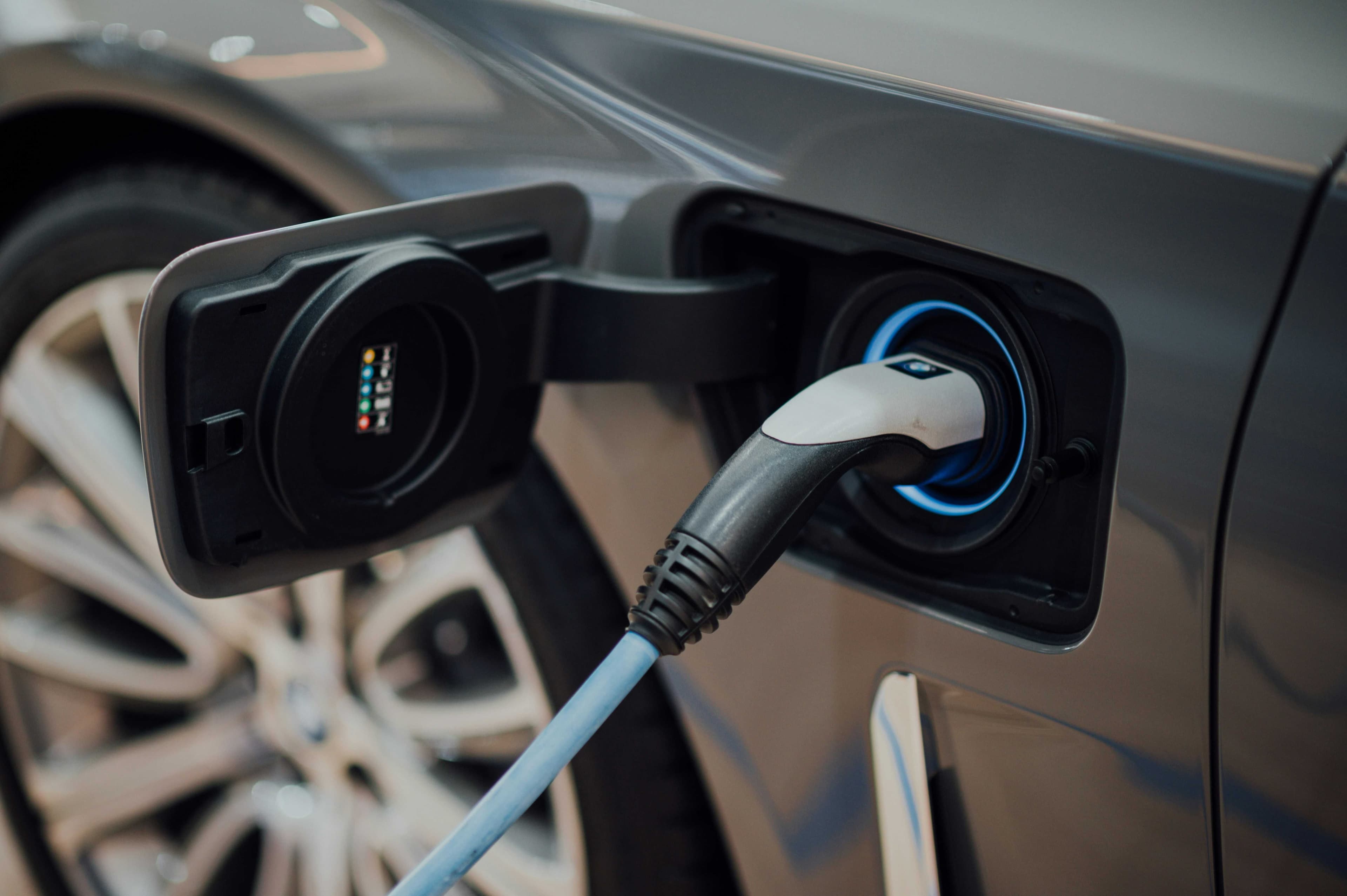 As EV adoption rises, Dubai is expanding infrastructure to make charging more accessible across the city. (Unsplash)
Dubai Municipality framed the initiative as part of its effort to create “future-ready public spaces,” emphasizing both environmental impact and quality of life. The approach reflects a broader urban planning philosophy in the emirate, where infrastructure is designed to serve multiple functions simultaneously, mobility, leisure and sustainability.
The rollout will begin with a flagship first phase that includes the installation of 75 EV supercharging stations across 150 parking bays over the next two years. This initial phase is expected to prioritize wide geographic coverage, ensuring accessibility across both major destination parks and neighborhood-level facilities.
Beyond convenience, the initiative aligns with several long-term national and emirate-level strategies. It supports the UAE’s Net Zero by 2050 Strategic Initiative and contributes to broader goals of increasing EV adoption, with national targets aiming for electric vehicles to make up 50% of the total vehicle fleet by mid-century.
This latest development also builds on Dubai’s rapidly expanding EV ecosystem. As of early 2026, the city already hosts more than 1,800 charging points, supported by both government entities and private operators, highlighting how quickly the infrastructure landscape has evolved in recent years.
Still, the significance of the municipality’s new initiative lies less in raw numbers and more in integration. By embedding charging infrastructure directly into public spaces, Dubai is repositioning these areas as active components of a broader mobility network. Parks and beaches are no longer just leisure destinations, they are becoming nodes within a connected, sustainable urban system.
Officials involved in the project have emphasized that the collaboration with UAEV is intended to expand access to EV infrastructure in everyday locations, making sustainable mobility more practical and accessible for residents.
That accessibility could prove critical. While EV adoption continues to grow globally, one of the persistent challenges remains the availability and convenience of charging infrastructure. By targeting locations where people already spend time, Dubai is effectively addressing this barrier through design rather than policy alone.
The initiative is also aligned with the Dubai Economic Agenda D33, which focuses on accelerating economic growth through innovation, infrastructure, and private sector engagement. In this context, the project is not just about sustainability, it also represents an investment in future urban competitiveness.
More broadly, the move reflects how cities in the Gulf are positioning themselves within the global transition toward clean energy and smart infrastructure. Rather than retrofitting existing systems, Dubai continues to build integrated solutions from the ground up, combining environmental goals with user experience and technological deployment.
As the rollout progresses, the initiative is expected to reshape how residents interact with both transportation and public spaces. Charging an EV may soon become as routine as parking at a beach or visiting a neighborhood park, subtle, but indicative of a deeper transformation underway.

Saudi startup scales its AI ambitions
Nasdaq Dubai welcomes Ajman Bank’s $300 million Sukuk

Business payments get a digital overhaul
e& closes a major investment chapter

Stay ahead with the latest updates, insights, and trends shaping the world of finance, investment, blockchain, digital business, fintech, technology, and global markets.
