

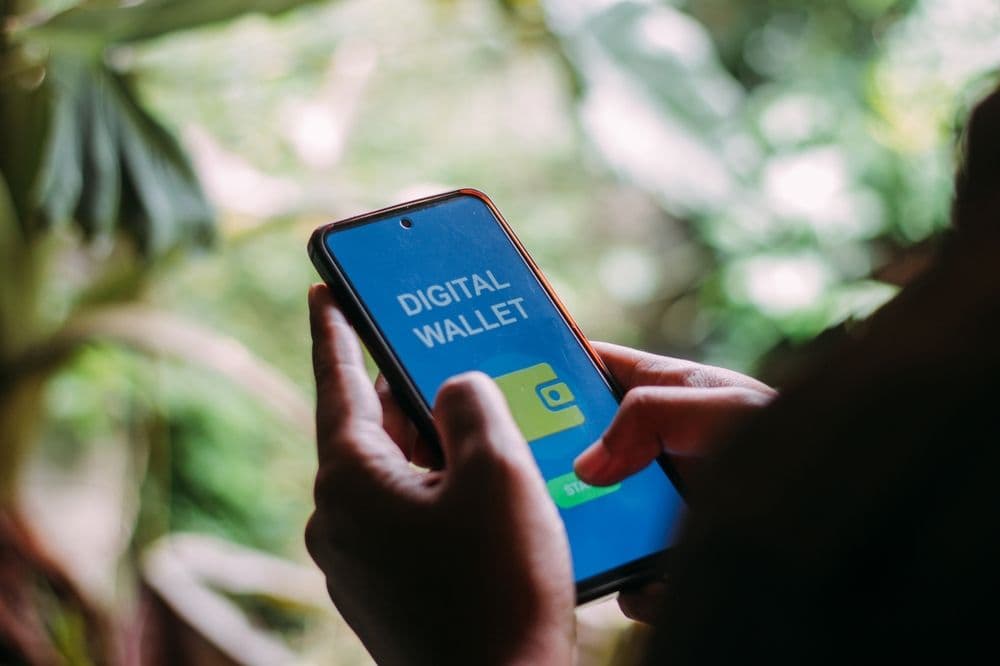
 Bitlock targets broader adoption with standalone mobile wallet rollout. (Shutterstock)
The company has confirmed that its standalone iOS and Android applications have entered final testing, with a public release expected in the coming weeks. The move marks a clear shift toward a more conventional mobile wallet experience as Bitlock looks to expand its reach and capabilities.
Bitlock initially gained traction by embedding wallet functionality directly into Telegram, allowing users to create and manage crypto wallets without leaving the app. This approach reduced onboarding friction and resonated with users already active in Telegram-based crypto communities. Over time, however, the company found that operating entirely within a messenger environment imposed practical limits on performance, feature expansion, and user experience, particularly as expectations around wallet functionality continued to rise.
The transition to native mobile applications is intended to overcome those limitations. Standalone apps allow for deeper system integration, smoother interfaces, and greater flexibility in how features are built and delivered. This shift reflects a broader understanding across the industry that while messenger-based tools can be effective entry points, long-term product development often requires the control and performance that native platforms provide.
The decision also aligns with wider usage patterns in the crypto sector. Mobile devices have become the primary way many users interact with wallets, decentralized finance applications, and on-chain assets. Native apps are increasingly seen as essential for delivering reliable transaction flows, portfolio visibility, and responsive interfaces, particularly as wallets evolve into multifunctional financial tools. While precise adoption figures vary, the dominance of mobile usage is widely recognised across the industry, and Bitlock’s move suggests a deliberate effort to meet users where they already operate.
During the current testing phase, Bitlock says it is focusing on stability, performance, and compatibility across a wide range of devices. This includes stress testing under different network conditions, ensuring consistent behaviour across operating systems, and validating transaction execution in real-world scenarios. These checks are designed to ensure the apps can support day-to-day usage without the friction or instability that can undermine trust in self-custody tools.
Security remains a central element of the wallet’s positioning. Bitlock operates as a self-custodial solution, meaning users retain control over their private keys rather than relying on a central intermediary. While the company has not yet disclosed the full technical details of the mobile apps, native platforms typically allow for additional safeguards such as biometric authentication and device-level protections. Clear confirmation of which measures will be implemented would require further technical disclosure from the company closer to launch.
Importantly, Bitlock has indicated that its Telegram mini-app will continue to operate alongside the new mobile applications. This approach allows existing users to maintain access while offering a more advanced alternative for those who prefer a dedicated wallet app. Rather than abandoning its original platform, Bitlock appears to be treating the mobile rollout as an expansion of its ecosystem, acknowledging that different users have different preferences for how they engage with crypto tools.
While a detailed feature breakdown has not yet been released, Bitlock has outlined several areas where the mobile apps will extend functionality. These include broader multi-chain support, more efficient transaction flows, and improved portfolio management features designed specifically for mobile interfaces. The company has also referenced longer-term plans to introduce AI-assisted functionality, though these features remain conceptual and have not been tied to a specific launch timeline.
The timing of the expansion comes as competition among self-custody wallets continues to intensify. Users increasingly expect wallets to support multiple networks, seamless asset management, and intuitive interfaces without compromising security. Established providers have already set a high bar on mobile, leaving newer entrants with limited room for error. For Bitlock, the challenge will be translating its early success within Telegram into sustained adoption in a crowded and fast-moving mobile wallet market.
By moving beyond a messenger-native format, Bitlock is positioning itself for broader distribution and deeper engagement. The transition reflects lessons learned from operating within Telegram’s ecosystem, where rapid adoption was balanced against technical constraints. As the final testing phase concludes, attention will shift to how users respond to the mobile apps and whether Bitlock can differentiate itself beyond its original Telegram roots.
With self-custody continuing to play a growing role in how users manage digital assets, Bitlock’s expansion highlights a wider shift toward mobile-first crypto infrastructure. Whether the new apps can deliver on their promise will become clearer once they reach the public, but the move itself underscores how wallet developers are adapting to evolving user expectations and platform realities.
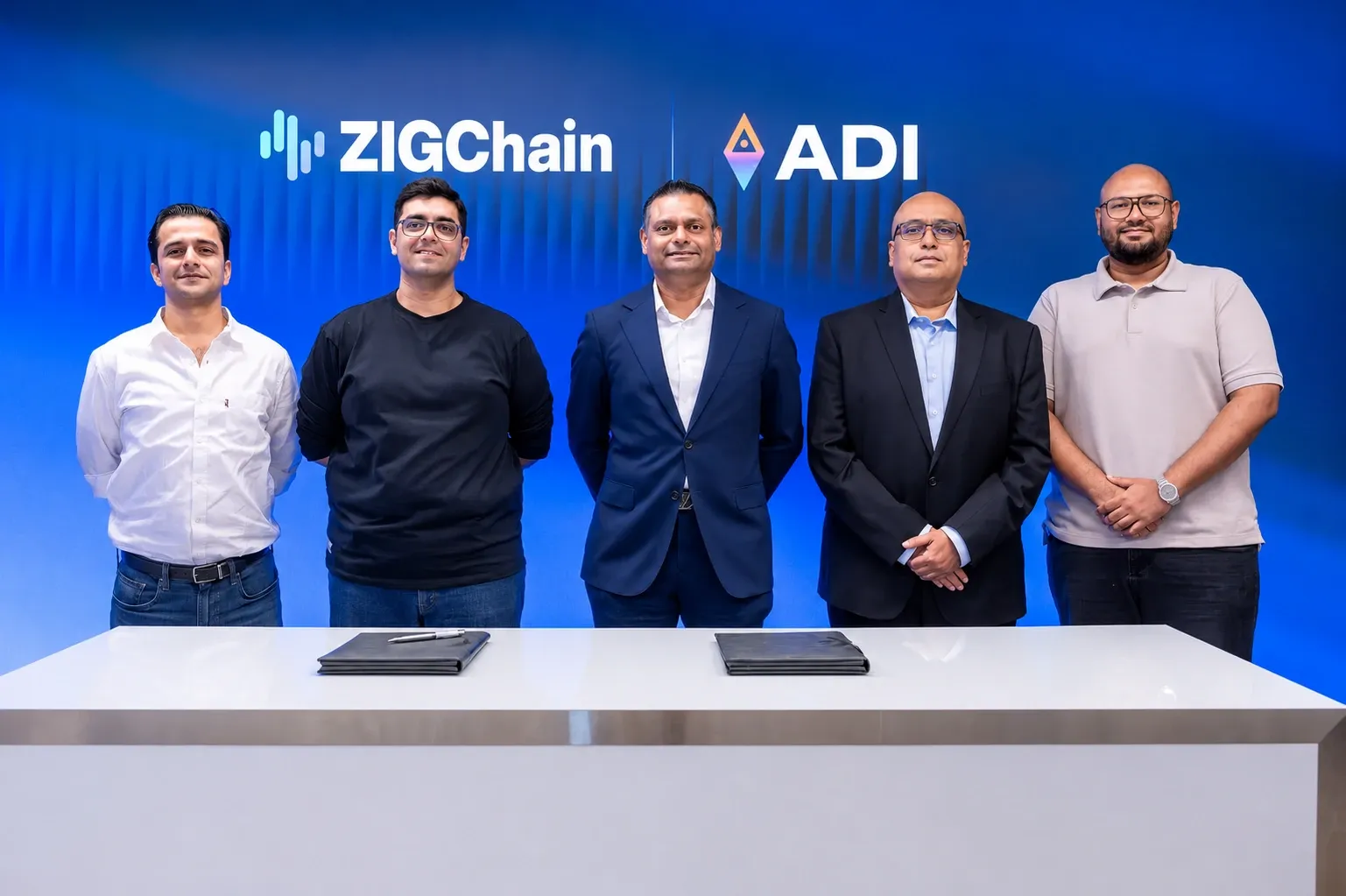
Gulf firms target digital finance infrastructure

From science Olympiad to Silicon Valley

Partior powers faster cross-border settlements
Everyday finance gets a Tabby upgrade

Stay ahead with the latest updates, insights, and trends shaping the world of finance, investment, blockchain, digital business, fintech, technology, and global markets.
