

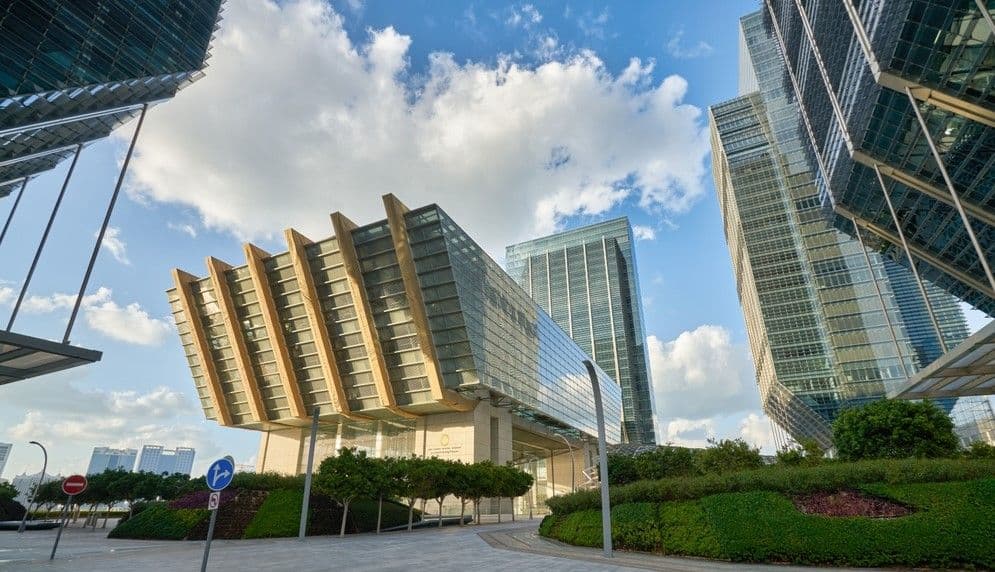
 ADFW 2025 brought together more than 35,000 attendees from 175 nationalities across 68 events and 394 sessions. (Shutterstock)
Hosted by Abu Dhabi Global Market (ADGM), the week brought together financial institutions, policymakers, investors, and technology leaders to examine how capital markets are likely to shape economic growth over the coming decade. The event served as a meeting point for global decision-makers navigating a rapidly changing financial landscape.
Held under the theme “Engineering the Capital Network,” ADFW 2025 was designed to bridge capital, regulation, and innovation across both established and emerging areas of finance. Organizers said participants came from more than 175 nationalities, reflecting the event’s expanding international profile and its role as a platform for cross-border financial engagement.
The scale of participation highlighted Abu Dhabi’s ambition to deepen its position within global financial markets. According to organizers, institutions represented at the event collectively accounted for more than $62 trillion in assets under management, underscoring the concentration of capital present during the week and the forum’s relevance for long-term investment conversations.
Across the program, ADFW 2025 featured 68 events and 394 sessions, with 819 speakers spanning banking, asset management, fintech, sustainability, and regulatory policy. Discussions centered on issues such as capital deployment, financial infrastructure, technological transformation, and the evolving relationship between established financial centers and emerging markets.
A key pillar of the week was Fintech Abu Dhabi, which focused on how innovation continues to reshape financial services. Sessions explored areas including digital payments, tokenization, financial inclusion, and the regulatory frameworks needed to support innovation while maintaining market integrity. The integration of fintech within ADFW reflects Abu Dhabi’s broader strategy to embed technology-driven finance into its financial ecosystem rather than treat it as a separate vertical.
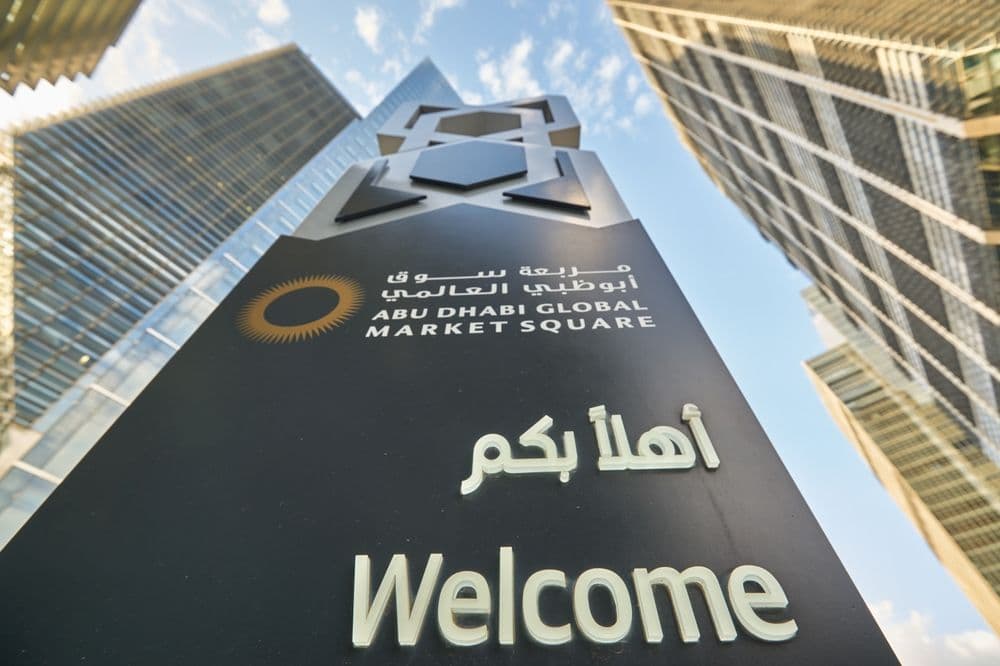 Private-sector digital finance initiatives were on display at ADFW 2025. (Shutterstock)
ADFW 2025 also created space for conversations around digital assets and blockchain within regulated financial markets. During the week, organizers highlighted updates to Abu Dhabi Global Market’s digital asset regulatory framework, reflecting ongoing efforts to refine how virtual assets are governed inside the international financial center.
Those updates were presented by ADGM’s Financial Services Regulatory Authority, which outlined recent enhancements to its digital asset framework at the event. The changes focus on clarifying how certain virtual assets are accepted and regulated, while expanding the scope of permitted activities under a risk-based supervisory approach. Together, the updates reinforce ADGM’s strategy of supporting innovation while maintaining regulatory discipline.
Private-sector engagement in digital finance was also visible during ADFW 2025. Among the agreements announced, Hanwha Investment & Securities signed a memorandum of understanding with blockchain wallet and Web3 infrastructure provider Kresus Labs to develop digital asset infrastructure. The partnership points to continued institutional interest in blockchain-aligned services operating within ADGM’s regulated ecosystem.
The event also functioned as a catalyst for collaboration. Organizers reported that 82 memorandums of understanding and partnership agreements were signed during ADFW 2025, involving global, regional, and local entities. These agreements spanned asset management, insurance, financial technology, and capital markets, reinforcing the event’s role as a launchpad for commercial and institutional partnerships.
Beyond deal-making, ADFW 2025 placed strong emphasis on Abu Dhabi’s longer-term positioning within the global financial system. That positioning was reinforced by the release of the Financial Centre Competitiveness Index (FCCI), developed by NYU Abu Dhabi’s Stern School of Business and unveiled during the event.
The FCCI ranked Abu Dhabi first in the Middle East and North Africa and 12th globally among leading financial centers. The index assesses competitiveness based on factors including human capital, infrastructure, regulatory environment, innovation, and access to markets.
Findings from the FCCI highlighted Abu Dhabi’s strengths in regulatory clarity, institutional trust, and connectivity to global capital flows. The report also pointed to long-term policy planning and sustained investment in talent and innovation as key drivers of competitiveness in an increasingly fragmented global financial environment.
Organizers framed ADFW 2025 as part of a broader strategy to support economic diversification and sustainable growth. By bringing global capital together with policymakers and innovators, the event aims to foster dialogue that translates into long-term investment and institutional development, rather than short-term market activity.
The conclusion of ADFW 2025 comes at a time of continued uncertainty across global financial markets, as institutions contend with shifting interest-rate conditions, geopolitical pressures, and rapid technological change. Against this backdrop, the scale and scope of the event point to growing demand for forums that combine policy discussion with practical engagement between capital providers and market participants.
Organizers confirmed that the next edition of Abu Dhabi Finance Week will take place from 7 to 10 December 2026, as ADGM looks to build on the momentum of 2025 and further expand Abu Dhabi’s role as an international financial center.
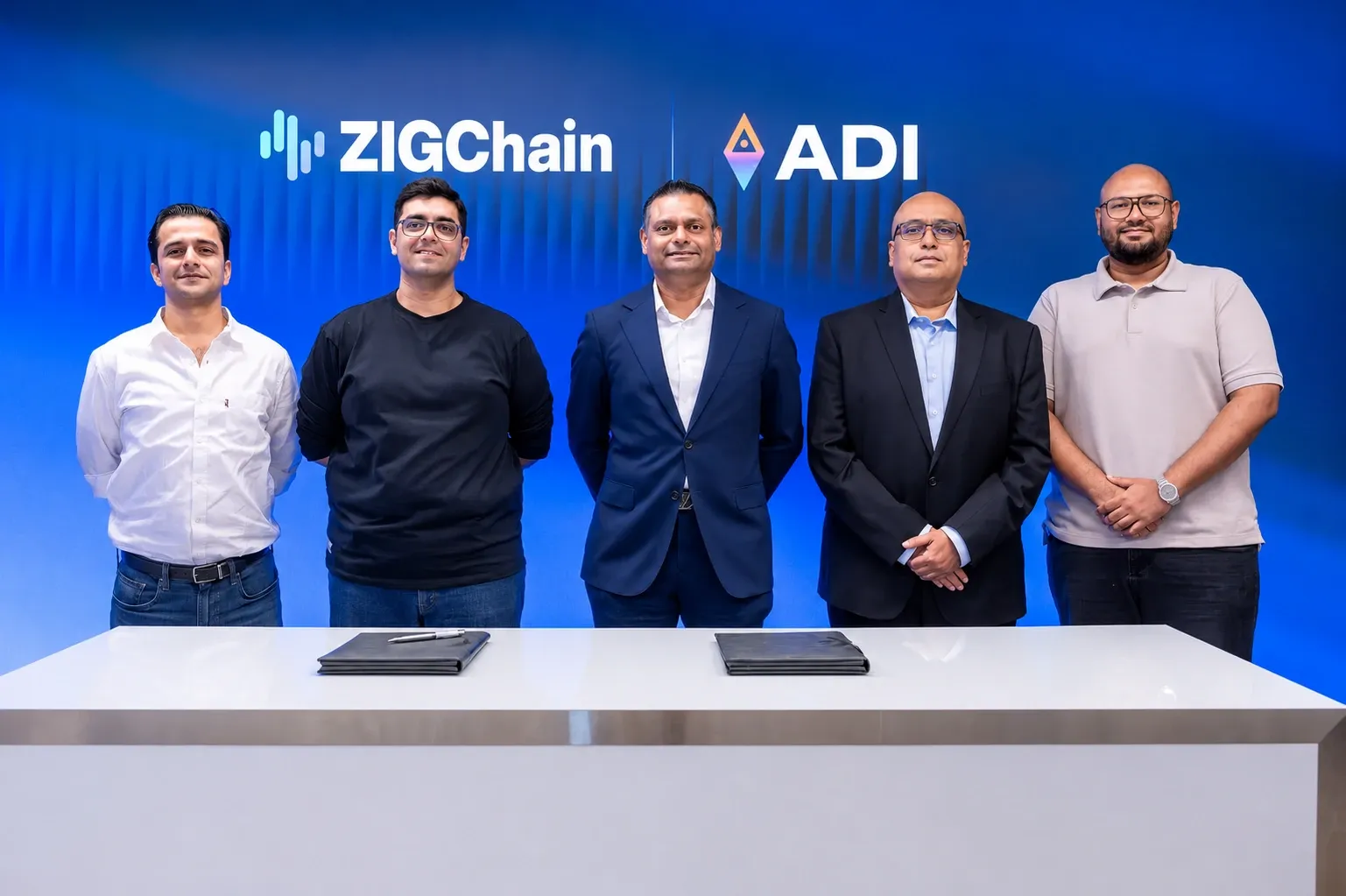
Gulf firms target digital finance infrastructure
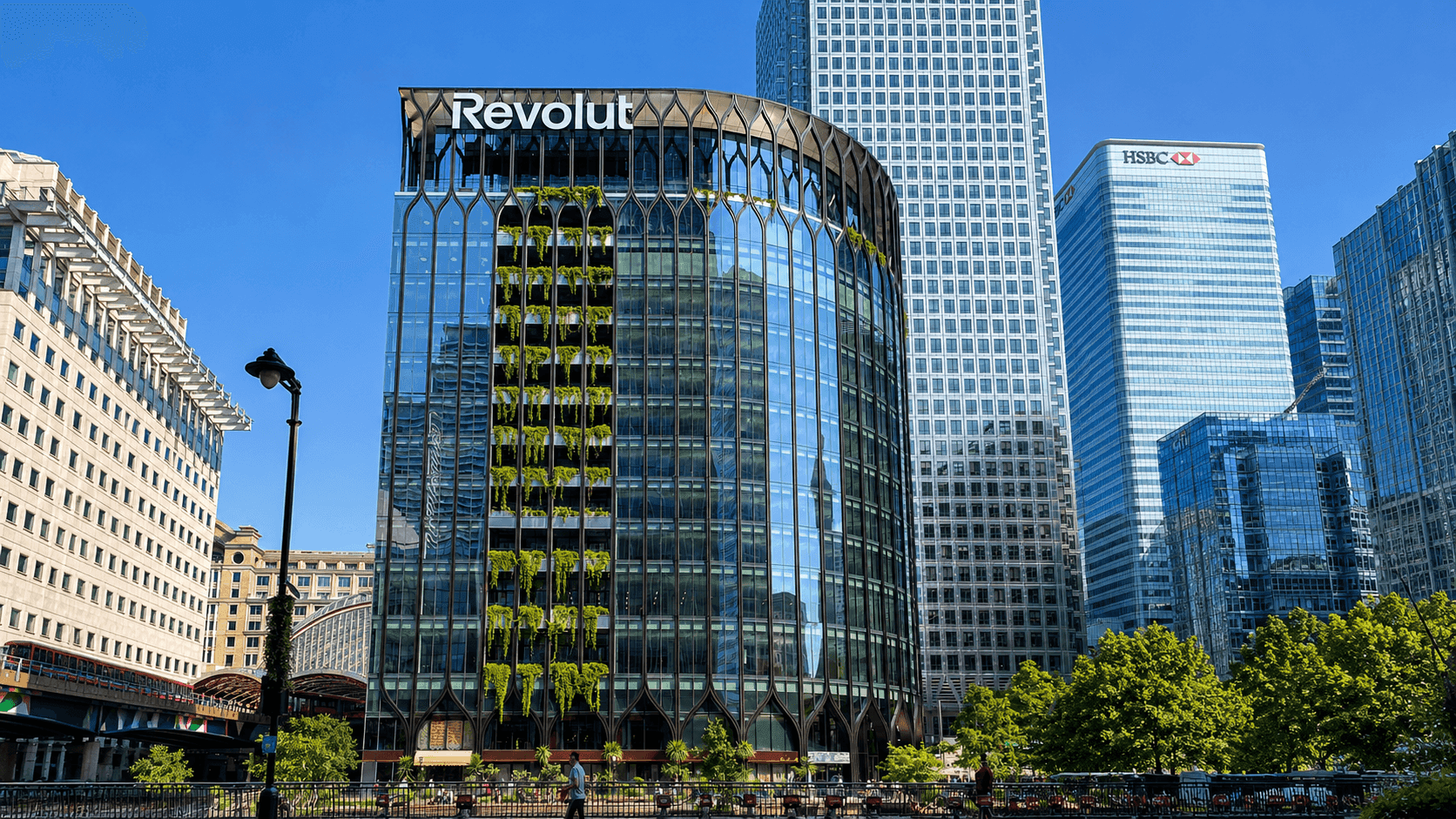
Dubai approval brings Revolut closer
Partior powers faster cross-border settlements
Everyday finance gets a Tabby upgrade

Stay ahead with the latest updates, insights, and trends shaping the world of finance, investment, blockchain, digital business, fintech, technology, and global markets.
