

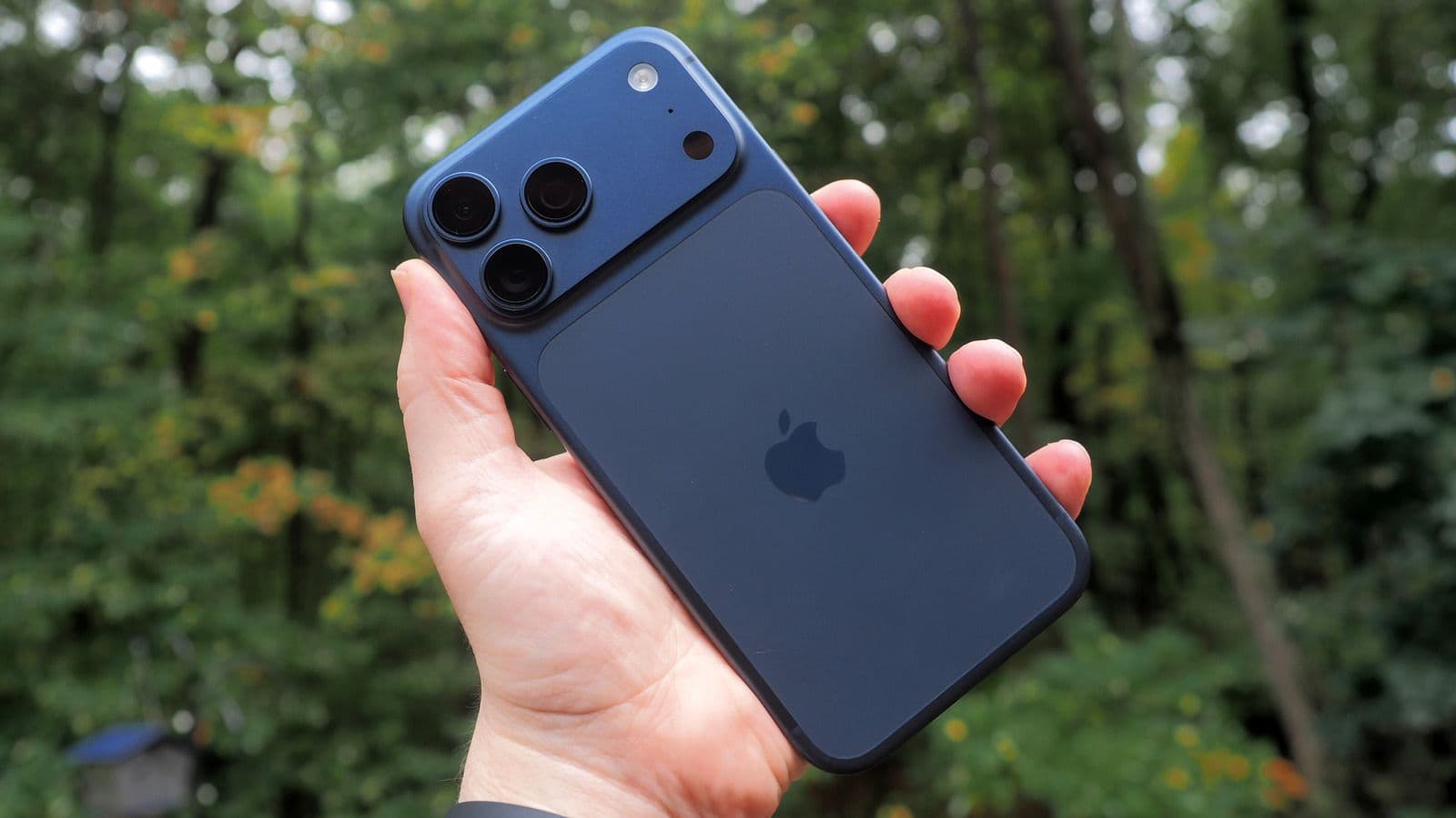
According to a report by Apple Insider , Apple is working to overcome the challenges of 3D printing with aluminum to produce devices such as the iPhone.
The Apple Watch Ultra 3 features a 3D-printed titanium unibody case, marking Apple’s first product made using this method. More products are expected to follow as advancements continue to improve the efficiency of the process.
According to the Power On newsletter, Apple is expanding its use of 3D printing in product manufacturing. The technology is expected to be applied to Apple Watch models first, with the long-term goal of eventually producing iPhones using the same process.
The shift toward 3D printing is considered a strategic move, as it reduces metal waste during manufacturing and helps lower production costs. For example, Apple can already produce the entire Mac mini lineup using the excess metal shavings generated from machining other products.
While traditional machining will remain the primary method for Apple’s most premium products, 3D printing could become an effective option for more affordable models. The process enables faster and more efficient production while reducing material waste and environmental impact.
Apple will need to address several challenges when 3D printing aluminum. Without going deeply into material science and metallurgy, the key issue is that aluminum is less dense than titanium and significantly more thermally conductive, which can create multiple complications.
Because of its lower density and higher thermal conductivity, the metal cools more quickly. If the process is not carefully controlled, this can lead to warping, cracking, and residual stress in the material.
Apple would also need to modify the type of aluminum it typically uses. Currently, the company relies on 6000-series aluminum, specifically 6061-T6, which is an aluminum-magnesium-silicon alloy. However, aluminum-copper and aluminum-zinc alloys are more commonly used in 3D printing and have different physical properties.
The titanium Apple Watch Series 11, Apple Watch Ultra 3, and some components used in the iPhone Air are already produced using 3D printing. Apple has also said that the slim design of the USB-C port in the iPhone Air is made possible by 3D printing techniques.
Apple says the 3D printing process is highly efficient, saving around 50% of the materials compared with machining the same product.

ADGM opens new route for tokenized gold

Jaywan moves deeper into everyday retail

Mubadala backs cross-border power infrastructure

Saudi SMEs gain support through Fina

Stay ahead with the latest updates, insights, and trends shaping the world of finance, investment, blockchain, digital business, fintech, technology, and global markets.
