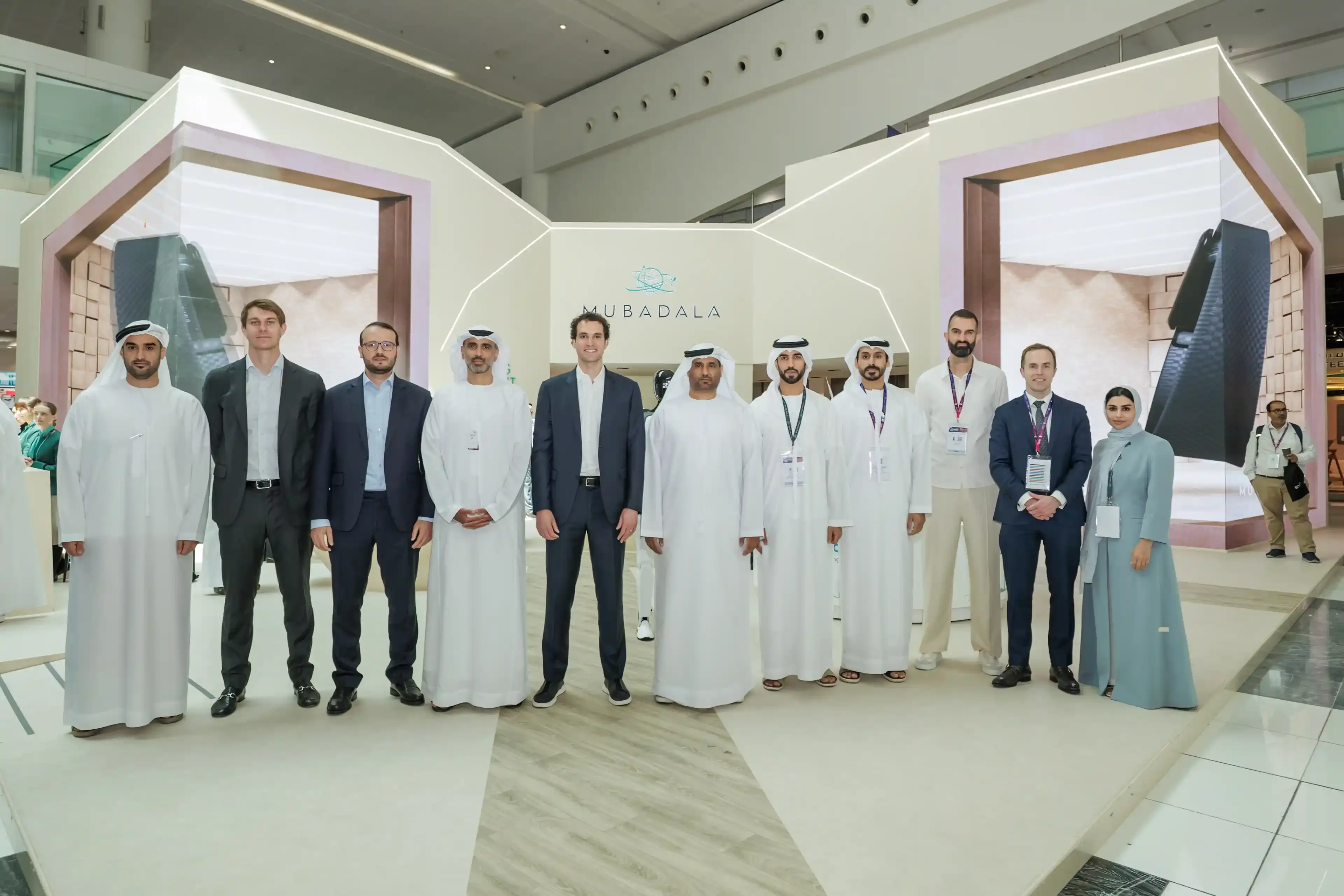
Abu Dhabi-based sovereign investor Mubadala Investment Company has partnered with wearable technology company WHOOP in a move aimed at expanding preventative healthcare, performance science, and health research capabilities in the UAE, as the Gulf region continues accelerating investment into digital health infrastructure and AI-powered healthcare systems.
The partnership, announced during the Make it in the Emirates 2026 event, includes a $75 million investment from Mubadala into WHOOP and broader plans to develop local healthcare innovation capabilities in Abu Dhabi. The collaboration will focus on preventative healthcare technologies, biometric research and advanced health monitoring systems designed to support long-term wellness rather than reactive treatment.
WHOOP, headquartered in Boston, is best known for its screenless wearable devices that track metrics such as sleep, recovery, strain, heart rate variability, stress, and other physiological indicators. The company has built a strong presence among professional athletes and performance-focused consumers, but in recent years it has increasingly positioned itself as a broader preventative health and longevity platform.
WHOOP Targets UAE Growth with Advanced Labs Rollout
Under the agreement, WHOOP plans to establish a regional office in the UAE, expand its Advanced Labs platform, and introduce full Arabic localization across its digital services. The UAE is also expected to become the first international market to offer WHOOP’s full U.S.-style biomarker testing experience through the company’s Advanced Labs program.
The companies said the partnership reflects a shared effort to strengthen healthcare innovation ecosystems in Abu Dhabi while supporting research capabilities tied to preventative medicine and performance science.
Gulf Governments Accelerate Digital Health Investment
The announcement comes at a time when Gulf governments are increasingly investing in digital health platforms, precision medicine, and AI-driven healthcare infrastructure as part of broader economic diversification strategies. The UAE, in particular, has spent the past several years positioning itself as a regional hub for health technology, biotech, and advanced research initiatives.
Rather than focusing solely on hospital expansion or traditional healthcare delivery, policymakers across the Gulf are increasingly emphasizing early detection, continuous monitoring, and preventative wellness models. Wearable technologies like WHOOP fit into that broader shift because they generate ongoing biometric data that can potentially support earlier intervention and long-term health optimization.
WHOOP Expands Global Health-Tech Ambitions
WHOOP’s partnership with Mubadala marks another step in the company’s aggressive international expansion strategy following a major funding round earlier this year. In March, WHOOP raised $575 million in Series G financing at a reported valuation of $10.1 billion, with participation from investors including Mubadala, Qatar Investment Authority, Mayo Clinic, Abbott, and several high-profile athletes.
WHOOP now operates in more than 50 countries and has over 2.5 million members globally. The company has increasingly expanded beyond sports performance into broader healthcare applications, including blood pressure insights, ECG functionality, and biomarker testing services.
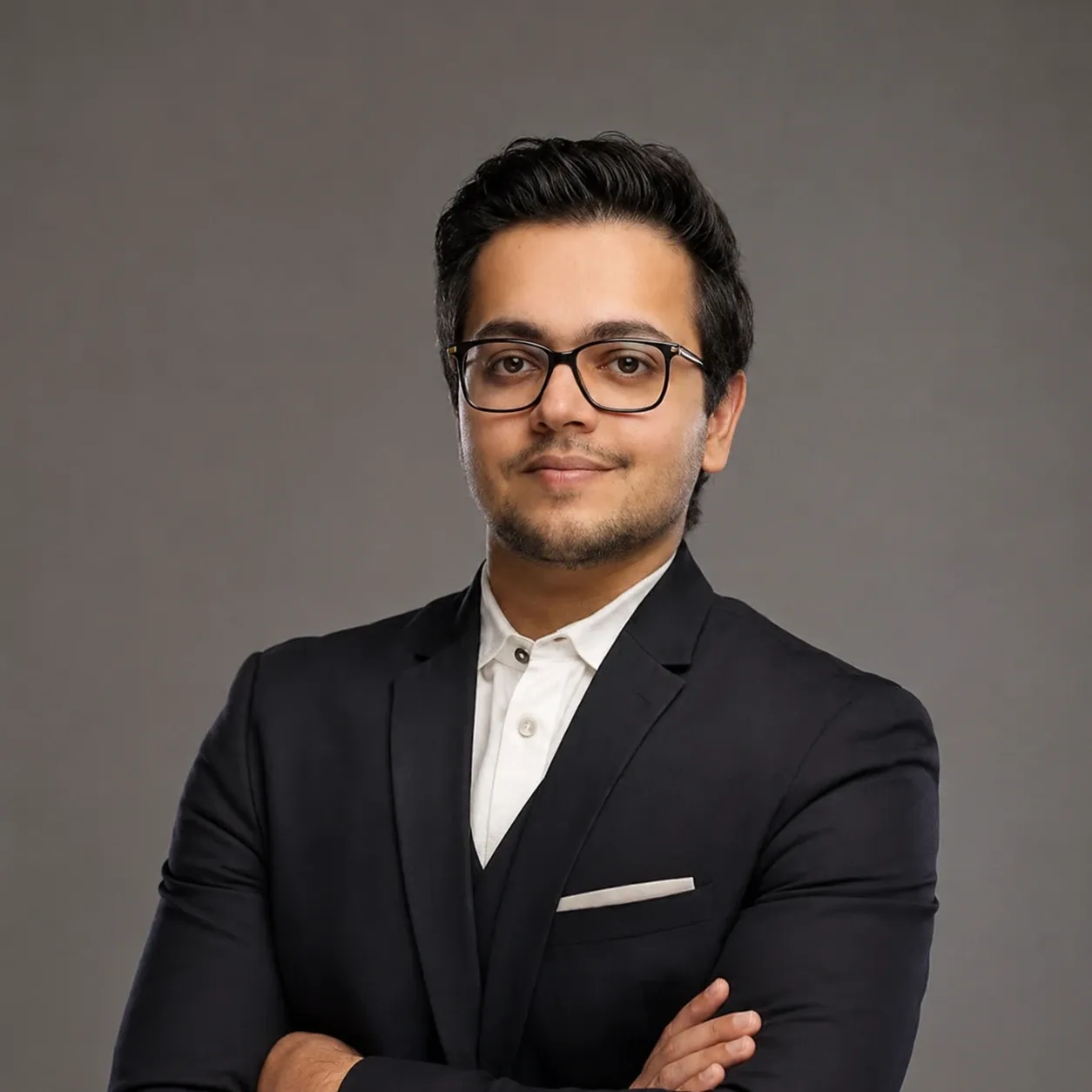
Will Ahmed, Founder and CEO of WHOOP, said: “Our journey in the UAE began in 2017, when we partnered with Expo 2020 Dubai to support worker wellness at scale. Since then, we have seen strong engagement and meaningful growth across the region. Our partnership with Mubadala reflects a shared ambition to build one of the world’s most advanced ecosystems for preventative health, performance science, and research-led innovation.”
Gulf Sovereign Funds Increase Health-Tech Investments
The UAE partnership may also help WHOOP deepen its foothold in a region where governments are actively funding health innovation and preventative wellness programs. Abu Dhabi, through Mubadala and other state-backed entities, has significantly expanded investment activity across healthcare, biotechnology, life sciences, and digital infrastructure over the past decade.
The collaboration additionally highlights how sovereign wealth funds in the Gulf are increasingly taking strategic positions in technology companies that align with long-term national development priorities, particularly in sectors linked to healthcare resilience, AI, and advanced research capabilities.
Competition Intensifies in Digital Health Wearable
Preventative healthcare technologies have increasingly emerged as one of the fastest-growing segments within digital health, driven by rising healthcare costs, aging populations, and growing consumer interest in personalized wellness tracking. Wearable devices, in particular, have evolved from basic fitness trackers into more sophisticated health-monitoring platforms capable of generating continuous biometric data.
The sector, however, remains highly competitive. WHOOP faces growing competition from companies including Apple, Samsung Electronics, Garmin, and smart ring maker ŌURA, all of which are expanding health-tracking capabilities across consumer devices.
WHOOP has attempted to differentiate itself through subscription-based services, performance analytics, recovery-focused insights, and deeper health monitoring integrations rather than traditional smartwatch functionality.
The company has also invested heavily in research partnerships and data science initiatives. During the COVID-19 pandemic, WHOOP-supported respiratory monitoring studies gained attention for exploring whether wearable biometric trends could help identify early signs of illness before symptoms fully appeared.
The agreement reflects the UAE’s broader push to integrate health technology into long-term economic transformation plans. As Gulf countries compete to attract advanced technology companies and research partnerships, healthcare innovation has increasingly become part of the region’s wider strategy to build knowledge-based economies less dependent on hydrocarbons.