Block News International

@2026 Block News International. All Rights Reserved.

Blends Media
A Blends Media Group Production

UAE Innovation City Rolls Out World’s First Blockchain Business Identity

Arry Hashemi
Arry Hashemi
May. 05, 2026
Digital IdentityA new kind of business identity is taking shape, as blockchain systems aim to replace paperwork with real-time, verifiable digital records. (Shutterstock)

The United Arab Emirates is pushing further into the intersection of blockchain and artificial intelligence, with Ras Al Khaimah’s Innovation City unveiling what it describes as the world’s first blockchain-based digital business identity system.

Every company registered within the free zone will now receive a “cryptographically verifiable” digital identity built on blockchain infrastructure developed by IOPn.

The initiative signals a shift away from traditional business registration systems, which have long relied on static documentation and centralized databases. Instead, Innovation City is introducing a model where company identity exists as a dynamic, on-chain asset that can be verified in real time.

From Static Records to “Living” Digital Identity

At the core of the system is a blockchain-based identity framework that replaces paper licenses and database entries with what the company describes as a “living” digital entity. Each registered business is issued a permanent, tamper-resistant identity recorded on IOPn’s OPN Chain.

This means company credentials, ownership changes and compliance updates can be tracked continuously rather than verified manually through separate institutions. In practical terms, that could reduce the friction involved in onboarding, regulatory checks, and cross-border transactions.

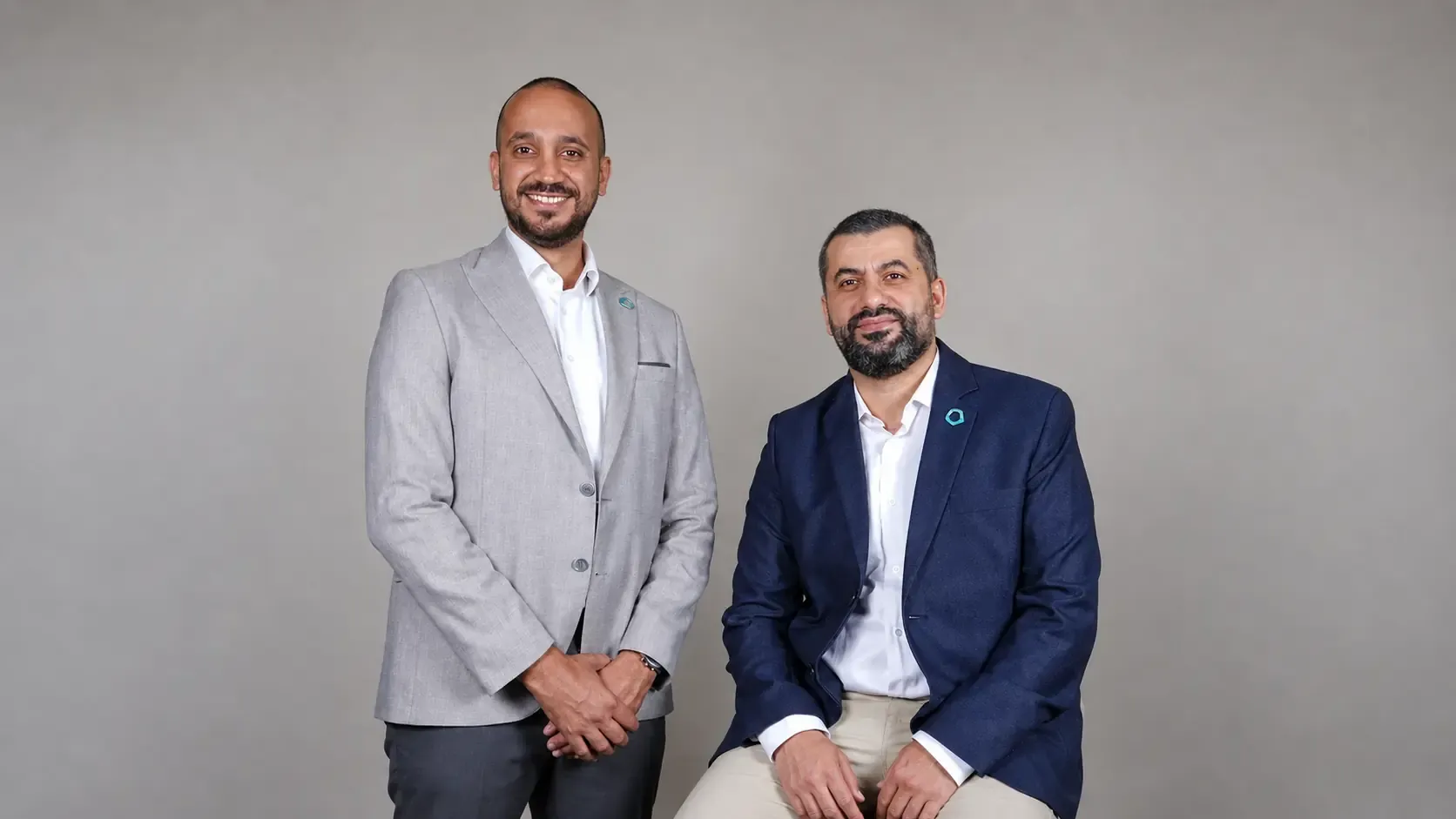
Paul Dawalibi, CEO of Innovation City, said: “Today we don’t just register companies, we give them a soul on the blockchain. For decades business identity has been trapped in paper, PDFs, and fragile databases - slow, opaque, and built for a world that no longer exists. We are ending that era. Every enterprise in Innovation City now carries a living, verifiable digital identity that travels with it across borders, platforms, and straight into the age of intelligent agents. Ras Al Khaimah isn’t following the future. We are writing it. One more thing: the companies that claim their place on this chain today will lead the global economy tomorrow. Everyone else will be explaining why they’re still using yesterday’s tools.”

Mojtaba Asadian, CEO of IOPn, noted: “IOPn is the sovereign infrastructure layer enabling the UAE’s agentic AI economy, starting with business identity and built to scale across jurisdictions, institutions, and sectors. Cryptographically secure. Evolving. Interoperable. Compliant. When Innovation City chose OPN Chain to power the world’s first on-chain business identities, they didn’t just pick a technology - they chose the infrastructure of digital sovereignty. Together, we are proving that the future of enterprise is not centralized databases or fragmented systems. It is sovereign, verifiable, and alive on-chain.”


UAEThe UAE’s ambition to integrate AI across government services is beginning to take shape in its rapidly evolving urban landscape. (Pexels)

Aligning with the UAE’s AI Ambitions

The timing of the launch reflects broader policy direction in the UAE. The country has recently outlined plans to transition a significant portion of government services toward AI-driven systems, with a reported target of deploying advanced “agentic AI” across 50% of federal operations within the next two years.

Such systems rely heavily on real-time, trustworthy data to function autonomously. In that context, business identity becomes a foundational layer rather than an administrative afterthought. Without reliable verification mechanisms, automated processes such as licensing, taxation, and compliance checks would struggle to operate at scale.

Innovation City’s approach attempts to address this gap by embedding identity directly into blockchain infrastructure, enabling instant verification without relying on centralized intermediaries.

Building Infrastructure for an “Agentic” Economy

The concept of an “agentic economy,” where autonomous systems carry out transactions and regulatory processes, has been gaining traction alongside advances in artificial intelligence. In this environment, identity systems must evolve to support machine-to-machine interactions, not just human verification workflows.

By issuing what it describes as “soulbound” identities, non-transferable digital credentials tied permanently to each company, the system aims to ensure authenticity while preventing manipulation or duplication.

The implications extend beyond administrative efficiency. Real-time, verifiable identity could reshape how businesses interact with financial institutions, regulators, and global partners, potentially reducing delays that have historically slowed cross-border activity.

The underlying infrastructure, OPN Chain, is designed to support high transaction throughput and interoperability with existing blockchain ecosystems, allowing identities to function across different platforms and jurisdictions.

Innovation City is positioning early adoption of the system as a strategic advantage. Companies that establish on-chain identities within the free zone may gain faster access to AI-enabled government services and streamlined integrations with global partners.

The initiative also reinforces Ras Al Khaimah’s broader effort to position itself as a hub for emerging technologies, particularly in areas such as AI, Web3, and digital infrastructure. Innovation City itself is designed as a technology-focused free zone aimed at startups and digital-first businesses.

While blockchain-based identity systems have been widely discussed in both academic and industry circles for years, large-scale implementation has remained limited. Many jurisdictions are still experimenting with pilot programs or theoretical frameworks.

The rollout in Innovation City suggests a move toward practical deployment, embedding digital identity into real-world business registration processes rather than treating it as a separate layer.