Middle East logistics platform TruKKer has secured a cross-border securitization facility worth up to $300 million, marking one of the more unusual financing moves by a regional freight technology company as it seeks to scale operations across multiple markets.
The facility was arranged and financed by Abu Dhabi Commercial Bank (ADCB) and is backed by trade receivables tied to TruKKer’s operations in the UAE, Saudi Arabia, and Turkey.
Unlike a conventional venture capital raise, the structure allows TruKKer to tap institutional financing tied to the performance of its freight network and receivables portfolio. The company described the arrangement as a non-recourse murabaha-backed securitization facility designed to expand alongside transaction volumes across its logistics platform.
How the Financing Model Works
The deal reflects a broader shift underway among larger Gulf technology companies that are beginning to explore financing mechanisms traditionally associated with banks, infrastructure firms, or mature asset-heavy businesses rather than venture-backed startups.
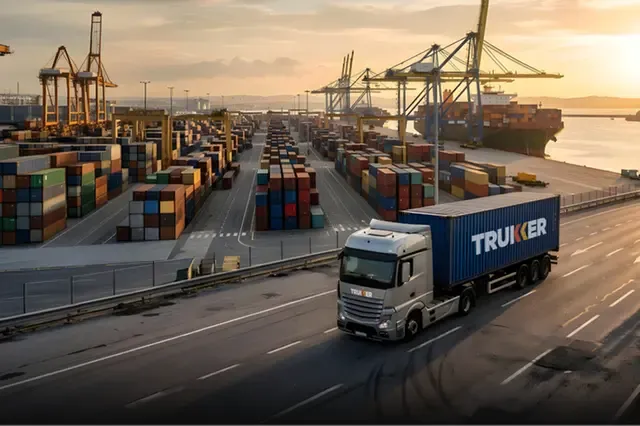
Founded in 2016, TruKKer operates a digital freight marketplace connecting shippers with truck operators across the Middle East and surrounding markets. The company has positioned itself as a logistics infrastructure platform rather than a pure software startup, a distinction that becomes more relevant as financing needs evolve from rapid customer acquisition toward working capital and operational scaling.
Trade receivables securitization is commonly used in industries with recurring commercial cash flows. In TruKKer’s case, the financing is linked to freight invoices and payment streams generated through its regional transportation activity. Because the structure is non-recourse, repayment is tied primarily to the underlying receivables rather than the broader corporate balance sheet.
The company said the facility gives it additional capacity to expand freight operations and deepen network coverage across existing regional markets.
Startup Financing Conditions are Changing
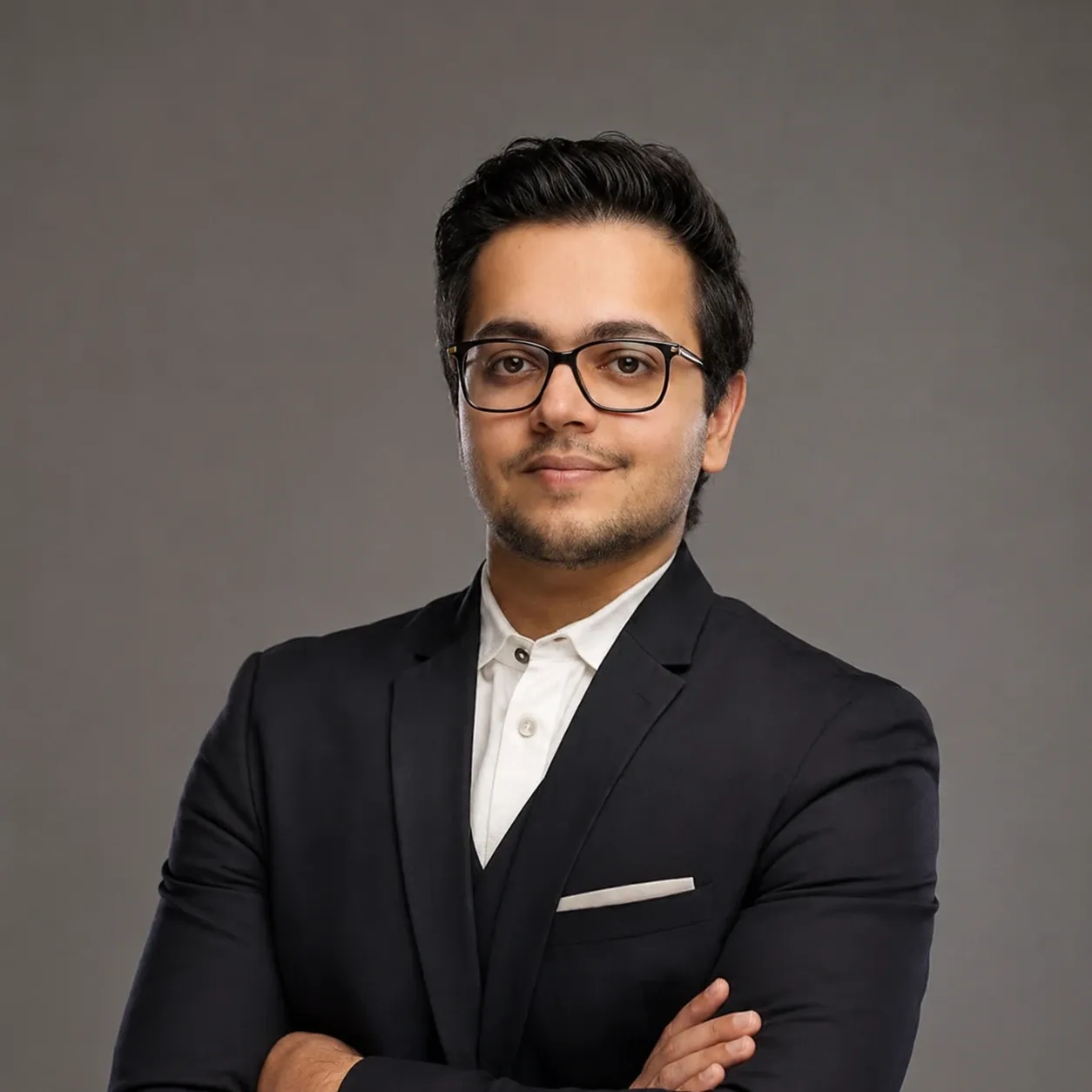
Gaurav Biswas, Founder & CEO of TruKKer, said: “This transaction is a milestone not only for TruKKer, but also for the broader regional technology ecosystem. It gives us access to working capital at benchmark pricing and marks an important step in the evolution of our capital strategy. The facility represents a key inflection point in our journey to build the ‘Uber of Trucks’ for the region, while supporting the development of logistics as a core enabler of our economies.”
“Transitioning from traditional equity funding to structured, non-recourse securitisation requires an institutional-grade technology and financial backbone. ADCB’s strong structuring capabilities and deep understanding of our operating model made them an ideal partner in designing a bespoke facility that can scale alongside our business,” Biswas added.
That distinction matters in the current funding environment. Venture capital investment across the Middle East and North Africa has become more selective over the past two years, with investors increasingly favoring companies that can demonstrate clearer paths to profitability, stable cash generation, or access to non-dilutive financing structures.
Logistics businesses in particular are facing growing pressure to secure flexible financing as they balance expansion ambitions with the operational realities of fleet utilization, fuel costs, payment cycles, and cross-border trade activity.
ADCB Expands Structured Finance Role
The transaction also highlights the growing role Gulf banks are beginning to play in structuring more sophisticated financing products for regional technology firms. While large international banks have historically dominated securitization and structured-credit activity, regional lenders have increasingly moved into complex financing arrangements tied to digital infrastructure, fintech, and logistics platforms.
ADCB acted as sole arranger and sole lender for the facility.
The financing structure also reflects how larger regional technology firms are looking beyond traditional venture capital as they search for more flexible ways to fund long-term growth.
The structure may also signal how larger regional startups could finance future growth without relying exclusively on additional equity rounds that dilute existing shareholders. As Gulf startup ecosystems mature, debt-linked instruments, receivables financing, and structured capital products are gradually becoming more common among companies with stable commercial cash flows.
That evolution could be particularly significant for logistics platforms. Freight businesses often generate substantial invoice volume while navigating delayed payment cycles and high operational liquidity demands. Securitization facilities can help convert receivables into immediate funding capacity while preserving flexibility for future expansion.
The transaction stands out in a regional technology market where funding announcements are still largely dominated by venture equity rounds rather than structured institutional financing.