
 Saudi Arabia opens its doors to investors around the world. (Shutterstock)
The decision, approved by the Capital Market Authority (CMA), will take effect on 1 February 2026 and removes long-standing restrictions that previously limited who could invest directly in Saudi-listed securities.
At the center of the reform is the removal of the Qualified Foreign Investor (QFI) framework, which for years required foreign institutions to meet specific eligibility criteria before entering the market. Once the new rules come into force, foreign investors will no longer need prior approval or special classification to invest directly, effectively placing them on a more equal footing with domestic participants.
The CMA has also decided to eliminate the regulatory framework governing swap agreements, which were commonly used to provide indirect exposure to Saudi shares without transferring ownership. By removing these provisions, the authority is simplifying market structures and reinforcing a shift toward direct participation and clearer ownership arrangements.
According to the regulator, foreign investment in Saudi Arabia’s capital market has continued to expand in recent years, reaching several hundred billion riyals by the third quarter of 2025. The CMA said the latest amendments are intended to support that momentum by encouraging additional inflows, improving liquidity, and strengthening the overall efficiency of the market.
 Saudi Arabia’s capital market reforms will allow broader foreign investor access from 2026. (Shutterstock)
The decision builds on regulatory changes introduced earlier in 2025 that simplified investment account procedures for certain investor groups, including GCC residents and individuals with prior residency links to Saudi Arabia. Those earlier steps reduced administrative barriers, while the new framework goes further by opening the market to all foreign investors without qualification.
For much of its modern development, Saudi Arabia’s capital market has taken a gradual approach to foreign participation, balancing openness with stability. The QFI system was originally designed to manage risk during a period when market depth and international integration were still developing. The CMA’s latest move suggests that regulators now see the market as sufficiently mature to support broader participation without those safeguards. Allowing foreign investors to enter directly is widely understood as a way to deepen trading activity, support more efficient price discovery, and align local market practices more closely with global standards.
At the same time, the authority has stressed that existing rules around disclosure, market conduct, and investor protection will continue to apply across the board. Opening access, the CMA indicated, does not mean loosening oversight, but rather modernizing how participation is structured.
The reforms focus on how investors access Saudi Arabia’s regulated capital market, rather than expanding the scope of financial products themselves. The CMA’s changes are designed to simplify participation, reduce structural complexity, and make market entry more straightforward for international investors.
By removing qualification requirements and indirect access mechanisms, the authority is reshaping the way foreign capital engages with Saudi-listed securities. The emphasis, according to the regulator, is on clarity, transparency, and creating a more efficient market environment as foreign participation continues to grow.
With implementation scheduled for early 2026, market participants will be watching how the changes affect foreign ownership patterns, trading volumes, and international investor engagement. The removal of qualification requirements may make Saudi Arabia’s market more accessible to a wider range of global investors, particularly those previously deterred by administrative complexity.
The reform reflects a continued effort to modernize the capital market while maintaining regulatory discipline. At the same time, it removes key barriers to entry and creates a more direct path into one of the region’s largest financial markets.
Saudi Arabia’s continued refinement of its financial framework is underscored by the full opening of the capital market, a development that signals an effort to encourage broader participation while maintaining stability and oversight.

From science Olympiad to Silicon Valley
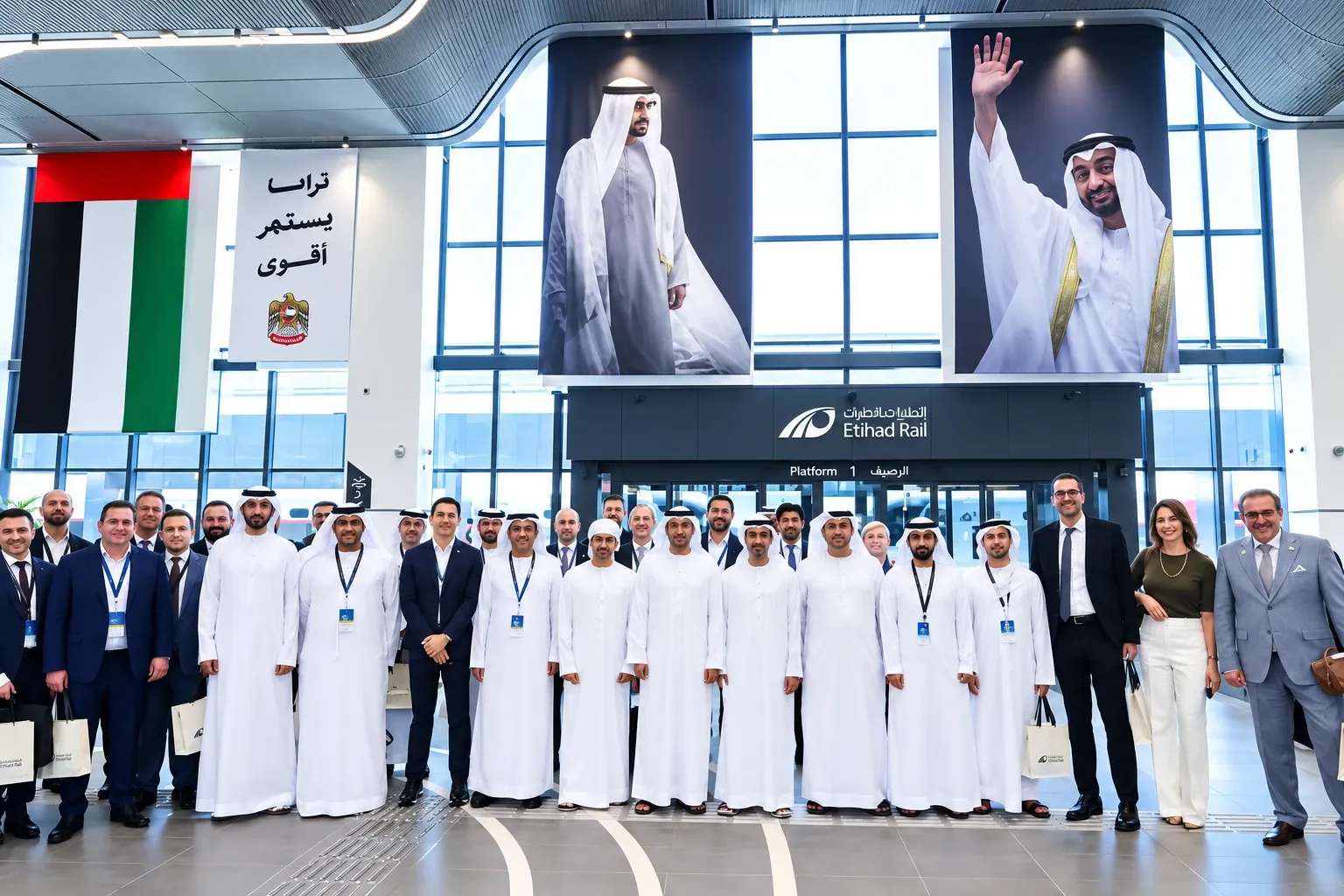
Market ceremony moves onto the rails
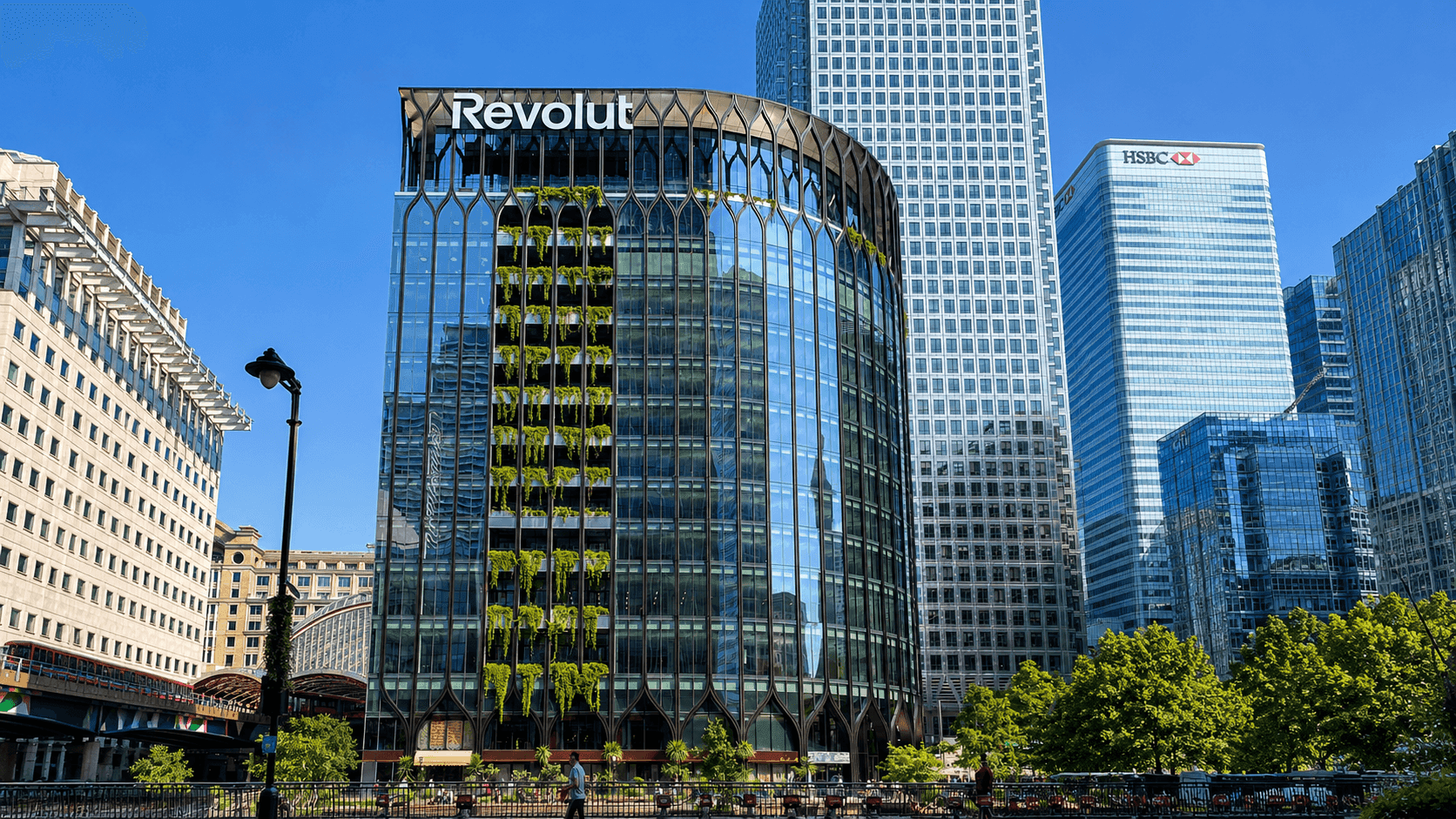
Dubai approval brings Revolut closer

Saudi startup scales its AI ambitions

Stay ahead with the latest updates, insights, and trends shaping the world of finance, investment, blockchain, digital business, fintech, technology, and global markets.

