
 Jeel moves to the forefront of Saudi Arabia’s AI-led digital banking shift. (Image Source: ZAWYA)
As banks across the Kingdom rethink how technology fits into everyday financial services, Jeel is focusing its efforts on artificial intelligence, data-driven systems, and building the infrastructure that underpins the next generation of digital banking.
Jeel says its recent initiatives are designed to help financial institutions move beyond basic digitization and toward more intelligent, adaptive platforms. The focus is on applying advanced technology in practical ways, improving how banks manage risk, analyze data, and deliver services in an increasingly digital economy.
More big news from the Middle East! @Ripple is partnering with @Jeelmovement, the innovation arm of @RiyadBank, to advance Saudi Arabia’s financial future through blockchain innovation 🇸🇦
— Reece Merrick (@reece_merrick) January 26, 2026
The Kingdom’s visionary leadership has established Saudi Arabia as a forward-thinking… pic.twitter.com/KhQ7giluhE
Rather than treating AI as a standalone tool, Jeel frames it as a core component of modern banking architecture. As financial systems grow more complex and customer expectations continue to rise, the company argues that traditional, rule-based processes are no longer enough. Intelligent systems that can learn from data and respond to changing conditions are becoming essential, not optional.
A recurring theme in Jeel’s approach is the importance of using data responsibly. As banks rely more heavily on analytics and automation, questions around privacy, security, and governance have moved to the center of the conversation. Jeel positions its solutions as striking a balance, enabling institutions to innovate while still operating within established regulatory and ethical boundaries.
The company’s strategy also reflects Saudi Arabia’s wider Vision 2030 ambitions, which place digital transformation and financial inclusion high on the national agenda. By supporting digital-first banking models, Jeel suggests that smarter financial infrastructure can play a role in expanding access to services, improving efficiency, and supporting long-term economic diversification.
Partnerships sit at the heart of Jeel’s model. Rather than attempting to build every capability internally, the company collaborates with specialized technology providers to bring advanced tools into the Saudi market. This allows Jeel to move faster, adapt global innovations to local requirements, and ensure new technologies are deployed in a way that aligns with domestic regulations and market realities.
Jeel also emphasizes the value of ecosystem-based innovation. By working alongside banks, fintech firms, and technology developers, the company aims to create environments where new ideas can be tested, refined, and scaled. This collaborative approach is designed to reduce the gap between innovation and implementation, a challenge that has historically slowed the adoption of new technologies in highly regulated sectors like finance.
Risk management is another area where Jeel sees AI playing an increasingly important role. As financial products become more sophisticated and market conditions more dynamic, traditional risk models can struggle to keep pace. Jeel argues that advanced analytics can help institutions better anticipate potential issues, identify unusual patterns, and make more informed decisions across areas such as lending, payments, and compliance.
Beyond internal operations, Jeel also points to the impact of intelligent systems on customer experience. AI-driven platforms can streamline onboarding, personalize services, and reduce friction in everyday banking interactions. As consumers grow accustomed to seamless digital experiences in other sectors, banks are under pressure to deliver the same level of simplicity and responsiveness.
While similar shifts are taking place across the wider Middle East, Jeel stresses the importance of local context. Technologies developed for global markets often need to be adapted to reflect Saudi Arabia’s regulatory frameworks, cultural expectations, and economic priorities. Jeel positions itself as a bridge between international innovation and domestic needs, translating advanced technology into solutions that work on the ground.
eel signals that artificial intelligence, and data-driven systems will continue to shape the future of banking in the Kingdom. While adoption will depend on institutional readiness and regulatory evolution, the direction is clear. Saudi Arabia’s financial sector is moving toward smarter, more flexible, and more technology-led models.
Jeel’s focus remains on practical execution. Rather than chasing trends, the company says it is concentrating on building tools that deliver measurable value to banks, businesses, and customers. With competition intensifying and digital expectations continuing to rise, that approach could place Jeel at the center of Saudi Arabia’s next phase of financial transformation.
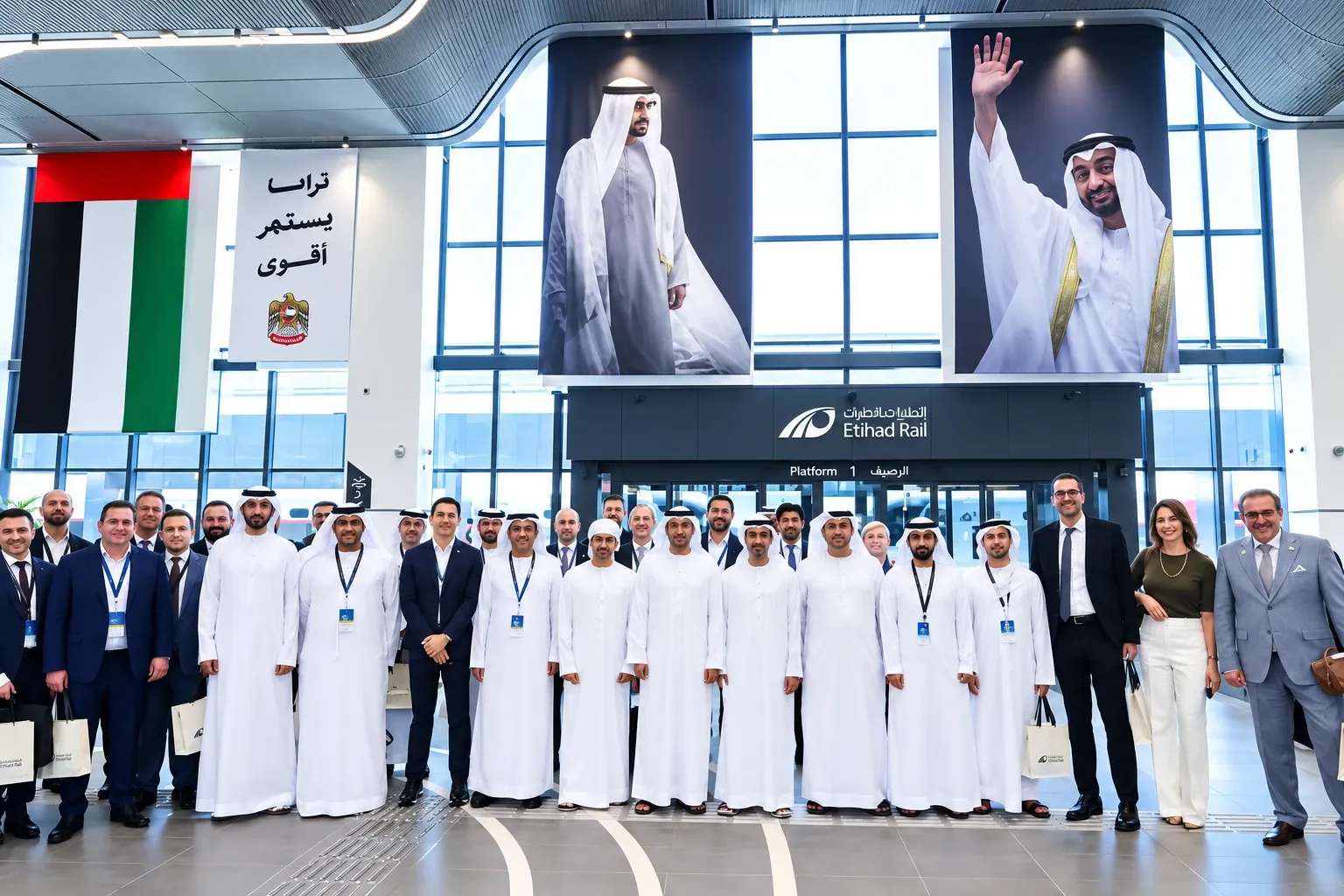
Market ceremony moves onto the rails
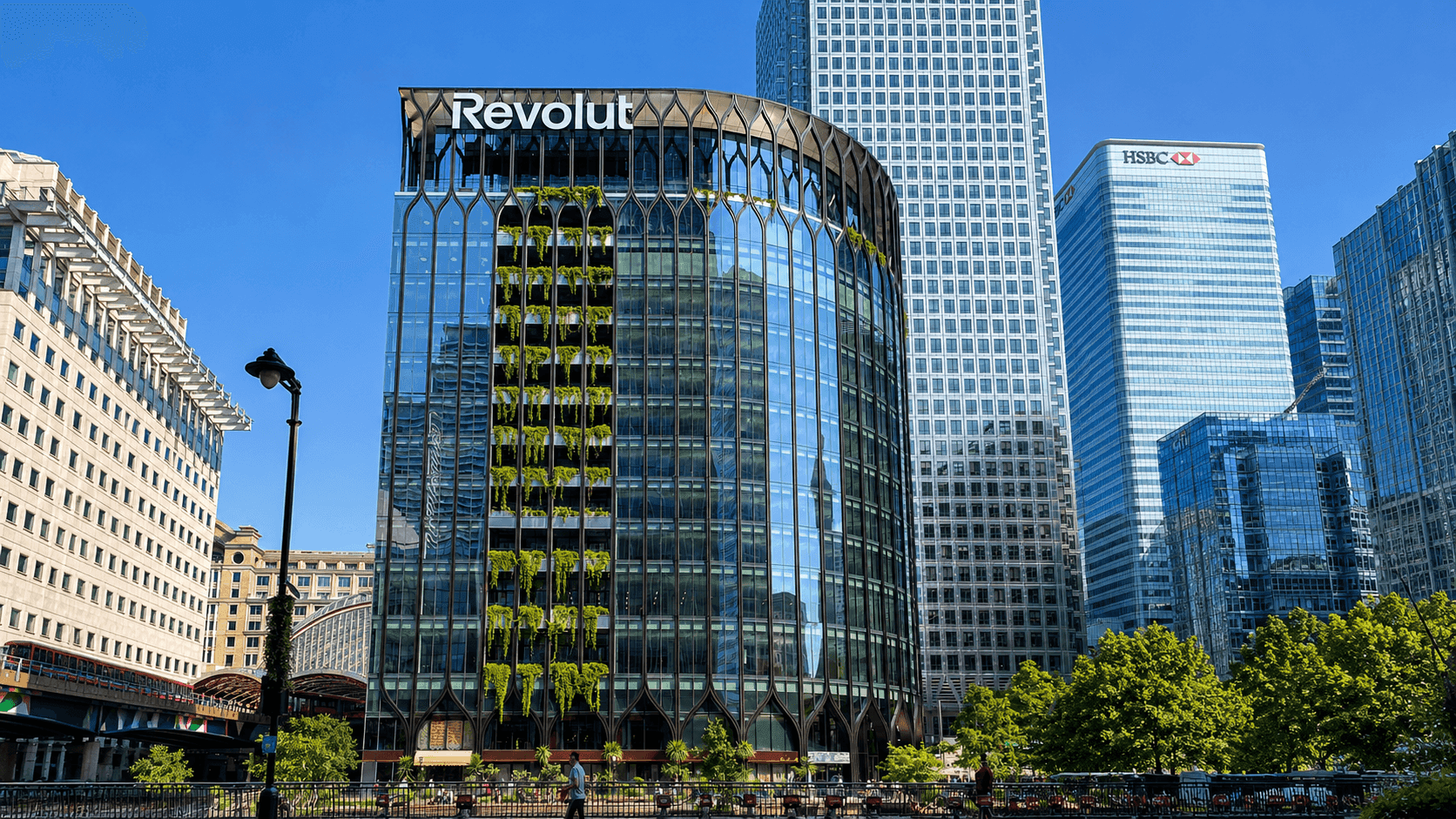
Dubai approval brings Revolut closer

Partior powers faster cross-border settlements
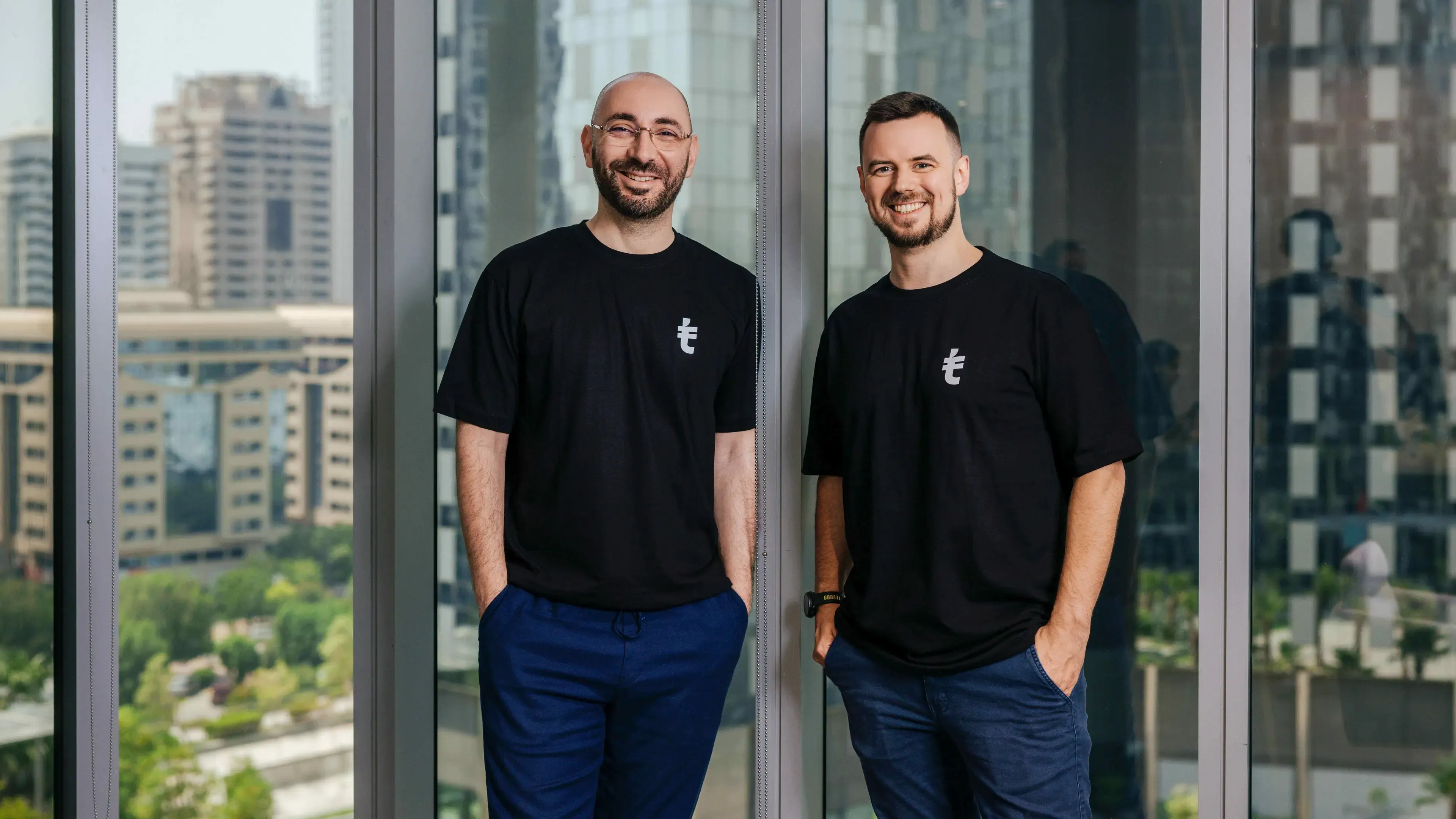
Everyday finance gets a Tabby upgrade

Stay ahead with the latest updates, insights, and trends shaping the world of finance, investment, blockchain, digital business, fintech, technology, and global markets.

