Block News International

@2026 Block News International. All Rights Reserved.

Blends Media
A Blends Media Group Production

Ripple Expands UAE Operations with New DIFC Headquarters

Arry Hashemi
Arry Hashemi
May. 06, 2026
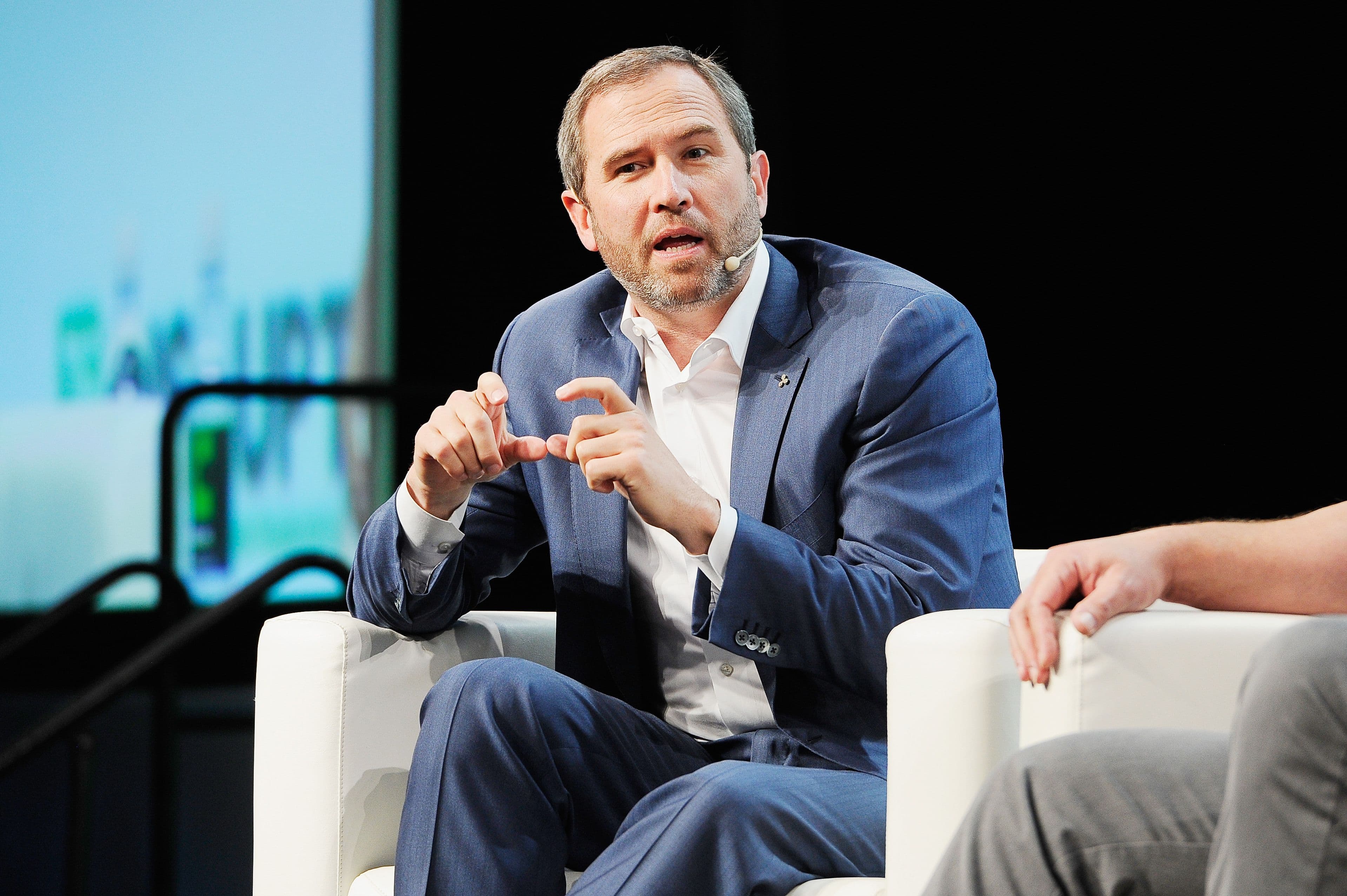
Brad GarlinghouseRipple’s expanded presence in DIFC reflects the UAE’s growing role as a global hub for regulated blockchain and digital payment innovation. (Image source: TechCrunch/Steve Jennings/Getty Images via Wikimedia Commons, licensed under CC BY 2.0.)

Blockchain payments firm Ripple is deepening its presence in the United Arab Emirates with a new regional headquarters in Dubai International Financial Centre (DIFC), underscoring the growing importance of the Middle East in the company’s global expansion strategy.

The company announced this week that its new Middle East and Africa headquarters, located within Dubai International Financial Centre, will create capacity to significantly expand regional operations as demand grows for regulated blockchain-powered payment and custody services.

Ripple said the expansion reflects the region’s increasing role in the company’s long-term growth plans. The firm first established a presence in Dubai in 2020, and the Middle East has since evolved into one of Ripple’s most active markets, accounting for roughly 20% of its global customer base.

The expansion comes at a time when the UAE is accelerating efforts to position itself as a global center for digital assets, blockchain infrastructure, and regulated financial innovation. Dubai in particular has spent the last several years building a regulatory framework aimed at attracting crypto firms, fintech startups, and institutional blockchain companies seeking greater legal clarity.

Rising demand for regulated blockchain infrastructure and cross-border payment solutions across the Gulf is driving further regional growth.

Building on Regulatory Momentum

Ripple’s growing commitment to the region also follows a major regulatory milestone achieved earlier this year. In March 2025, the company secured approval from the Dubai Financial Services Authority to offer regulated blockchain-powered payment services within DIFC. Ripple described the authorization as its first license in the Middle East and said it became the first blockchain-enabled payments provider licensed by the DFSA.

At the time, Ripple Chief Executive Officer Brad Garlinghouse said the UAE was “exceptionally well-placed” to benefit from rising institutional adoption of digital assets due to its supportive approach toward crypto and technology regulation.

The company’s latest expansion appears designed to build on that regulatory momentum.

The new office in DIFC will allow the company to scale its Middle East and Africa team as regional interest in blockchain-based financial infrastructure continues to increase. Businesses in the Gulf are increasingly exploring blockchain tools for cross-border payments, settlement systems, tokenization, and stablecoin-based financial operations.

Reece Merrick, Managing Director, Middle East and Africa at Ripple, said: "In recent years the Middle East has become an increasingly vital driver of Ripple's global growth. Our new regional headquarters is a reflection of our ongoing commitment to playing our part in the region's upward trajectory. From our earliest days in the UAE, we have seen first-hand the appetite from local businesses for regulated, blockchain-powered payment infrastructure, an appetite that is only growing. A larger team, based here in Dubai, will enable us to go further in supporting our clients and partners across the region and beyond.”
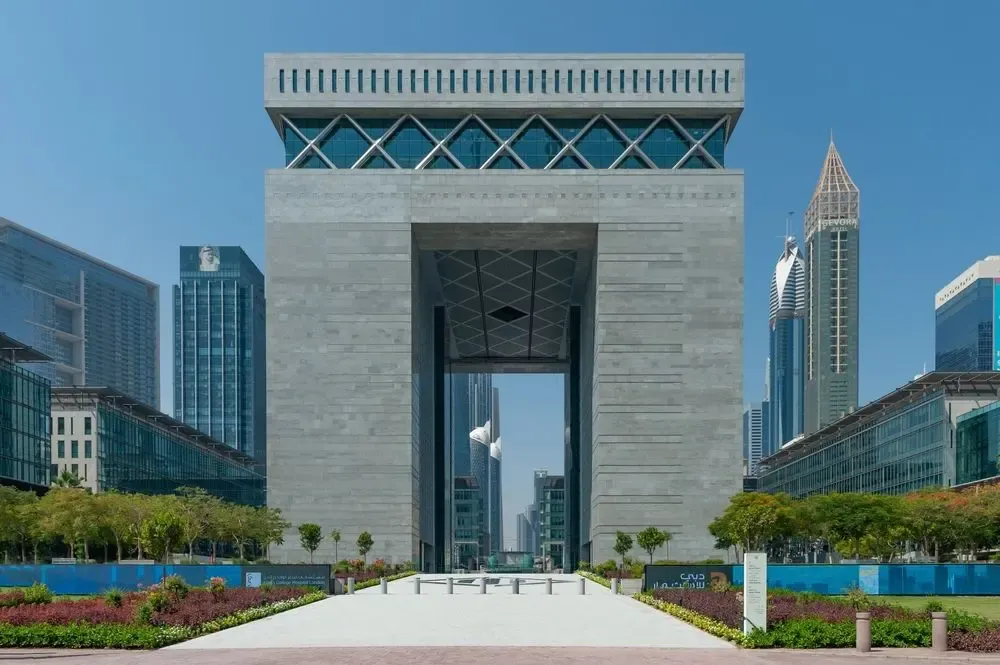
DIFCDubai’s push to build a regulated digital asset ecosystem continues drawing major blockchain firms, with Ripple expanding its regional operations through DIFC. (Shutterstock)

Dubai’s Growing Appeal for Blockchain Firms

Dubai officials also framed the expansion as another sign of the emirate’s growing status as a blockchain and digital asset hub.

His Excellency Arif Amiri, Chief Executive Officer at DIFC Authority, said: "Ripple's expansion within DIFC is a strong signal of the confidence that world-leading digital asset firms have in Dubai as a global hub for blockchain technology. Since establishing its regional headquarters here, Ripple has been a model for how digital asset firms can operate with both ambition and accountability — connecting institutions to the future of finance through regulated, scalable technology. We look forward to deepening that partnership as they grow their presence in the DIFC."

Ripple’s regional push comes as competition intensifies among global financial hubs seeking to attract crypto and blockchain firms. Over the past several years, the UAE has emerged as one of the most active jurisdictions in developing dedicated regulatory pathways for digital asset companies, contrasting with tighter or less predictable approaches seen in some Western markets.

The UAE’s strategy has increasingly attracted both established crypto firms and traditional financial institutions exploring blockchain-based infrastructure. The country’s combination of regulatory clarity, international business connectivity, and government-backed digital transformation initiatives has helped make Dubai an increasingly attractive destination for companies focused on cross-border finance.

Ripple Broadens Middle East Blockchain Push

Ripple has steadily expanded its partnerships across the Middle East and Africa in recent years. The company has previously highlighted relationships with regional financial institutions and fintech players including Zand Bank and other firms exploring blockchain-based settlement and payment systems.

The company has also been expanding use cases for its RLUSD stablecoin and broader blockchain infrastructure offerings in the region. DIFC previously approved RLUSD as a recognized crypto token within its regulatory framework, potentially opening the door for wider institutional usage inside the financial center.

Ripple’s Middle East expansion comes during a broader period of international growth as the company continues pushing beyond its traditional payments business into areas including tokenization, custody infrastructure, and enterprise blockchain services.

The regional expansion may also further strengthen Dubai’s ambitions to become a leading destination for regulated crypto finance. While several jurisdictions continue debating digital asset policy, UAE authorities have increasingly emphasized attracting firms willing to operate within structured regulatory frameworks rather than outside them.

Ripple’s decision to deepen its regional presence inside DIFC could therefore serve as another signal that large blockchain companies are increasingly prioritizing jurisdictions offering clearer compliance pathways and institutional support.