

 Open World launches RWA tokenization center to support Saudi Arabia’s Vision 2030. (Pixabay)
The initiative, led by Open World Ltd., is designed to support the regulated digitization of physical assets and aligns closely with the Kingdom’s broader Vision 2030 agenda to modernize its economy and attract global investment.
The Center, based in Al Khobar, is positioned as a locally licensed and compliant hub for tokenization projects tied to real economic activity rather than speculative crypto trading. The facility will focus on enabling institutions and enterprises to tokenize assets such as energy infrastructure, real estate, and carbon-related instruments within Saudi Arabia’s regulatory framework.
While blockchain technology has been discussed in the region for years, the launch marks a shift from experimentation to implementation. Instead of pilot projects or sandbox initiatives, the Center is intended to operate as long-term infrastructure that supports live use cases under Saudi law. Open World says the aim is to provide a practical bridge between traditional finance and emerging digital asset systems.
The move fits within Vision 2030’s push to diversify the Saudi economy beyond hydrocarbons and build leadership in sectors such as fintech, digital infrastructure, and advanced technology. Financial reform has been a key pillar of the strategy, with authorities seeking to strengthen capital markets, expand access to funding, and position the Kingdom as a regional financial hub.
Real-world asset tokenization has emerged globally as one of the most closely watched applications of blockchain technology. By representing ownership or rights to physical assets on a digital ledger, tokenization is often promoted as a way to improve transparency, reduce settlement times, and allow assets to be divided into smaller, more accessible units. In practice, adoption has been uneven, largely due to regulatory complexity and the need for strong institutional safeguards.
Open World’s approach reflects those lessons. The company has emphasized that the Saudi Center is designed around compliance, data residency, and alignment with local regulators, including the Saudi Central Bank and the Capital Market Authority. Rather than operating at the edge of regulation, the Center is intended to function within established financial and legal structures.
Initially, the Center’s work will focus on sectors that are strategically important to the Saudi economy. Energy-related assets are a natural starting point, given the Kingdom’s global role in energy markets. Real estate is another priority area, particularly as Saudi Arabia continues to invest heavily in large-scale development projects. Open World has also highlighted carbon and sustainability-linked assets as an area of future activity, reflecting growing international interest in tokenized environmental instruments.
The company has indicated that regulated stablecoins may eventually play a role in supporting tokenized asset transactions, although any such development would depend on regulatory approvals and evolving policy frameworks. For now, the emphasis remains on building the foundational systems required for compliant issuance, custody, and management of tokenized assets.
The launch also comes as Open World pursues a broader institutional strategy. Earlier this month, the company announced plans for a proposed merger with VerifyMe, a Nasdaq-listed firm focused on authentication and logistics technologies. The combination is intended to strengthen Open World’s positioning in regulated markets by pairing blockchain infrastructure with verification and compliance capabilities already used by public companies.
That institutional focus highlights a wider shift taking place in the digital asset sector. After years dominated by retail trading and high-volatility crypto markets, attention is increasingly turning to how blockchain technology can be applied within existing financial systems. Governments and regulators have shown greater interest in tokenization when it is tied to real assets, clear legal frameworks, and measurable economic value.
There are also practical realities to work through. In many markets, secondary trading for tokenized assets is still taking shape, and linking blockchain systems seamlessly with existing financial infrastructure remains a work in progress. While tokenization can make processes more efficient, it does not on its own determine pricing, demand, or investor appetite, which continue to be shaped by broader market conditions.
Saudi Arabia’s strategy appears to acknowledge those limitations by prioritizing regulation and institutional participation from the outset. Whether the RWA Center of Excellence can translate that approach into sustained market activity will depend on adoption by asset owners, financial institutions, and investors, as well as ongoing regulatory clarity.
The launch represents a clear signal of intent. By establishing a dedicated, compliant hub for real-world asset tokenization, Saudi Arabia is positioning itself to play a more active role in shaping how digital asset infrastructure is developed and governed, both regionally and beyond.
Saudi startup scales its AI ambitions
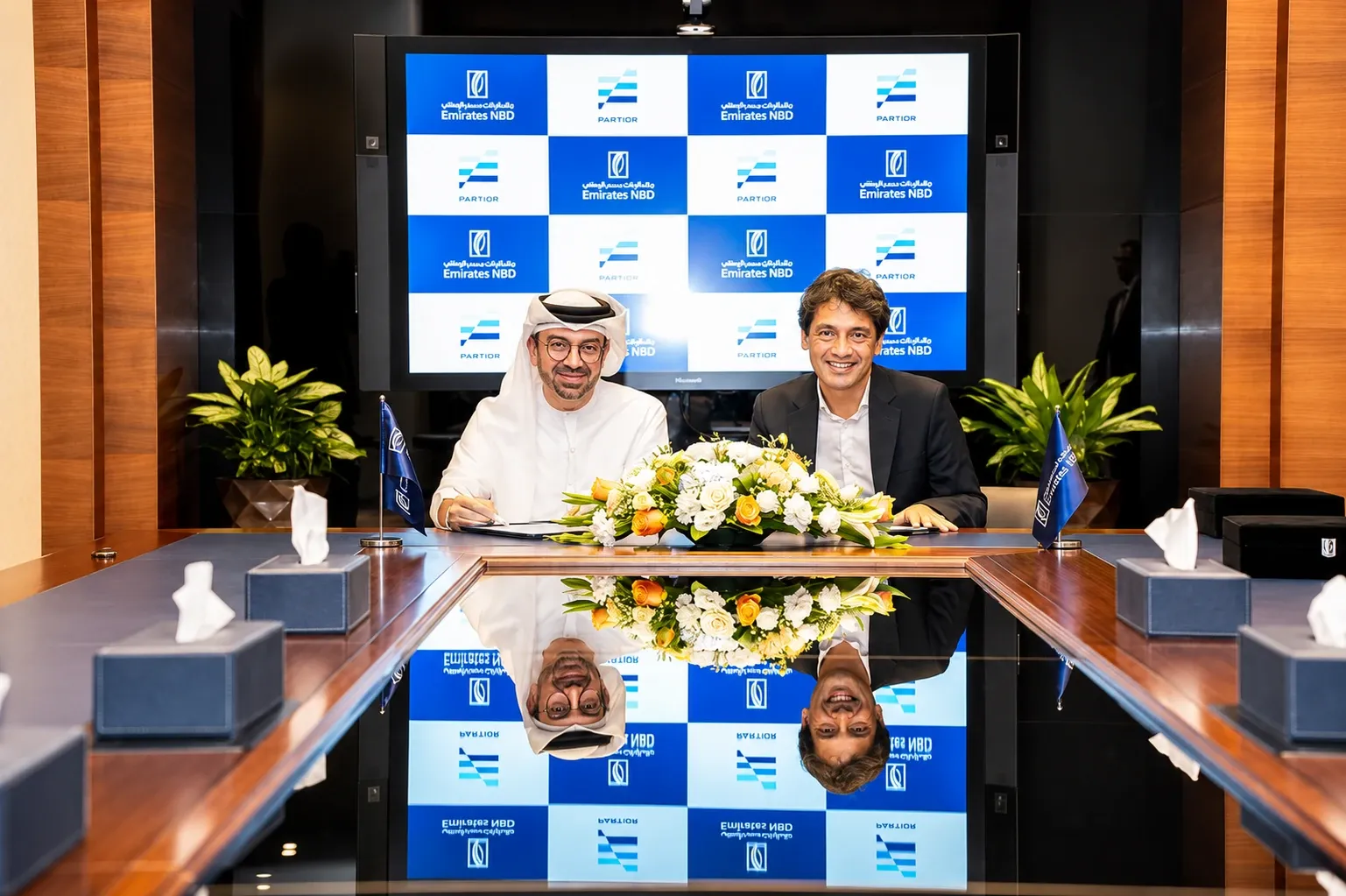
Partior powers faster cross-border settlements
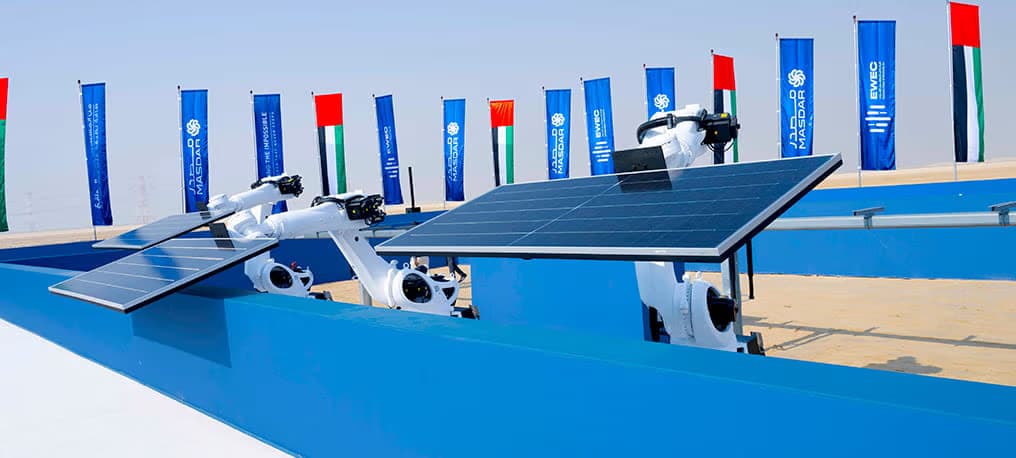
Abu Dhabi backs round-the-clock clean power
ADI Chain steps up global expansion

Stay ahead with the latest updates, insights, and trends shaping the world of finance, investment, blockchain, digital business, fintech, technology, and global markets.
