Block News International

@2026 Block News International. All Rights Reserved.

Blends Media
A Blends Media Group Production

Oman Unveils AI Special Zone in Muscat to Accelerate Digital Economy Push

Arry Hashemi
Arry Hashemi
May. 06, 2026
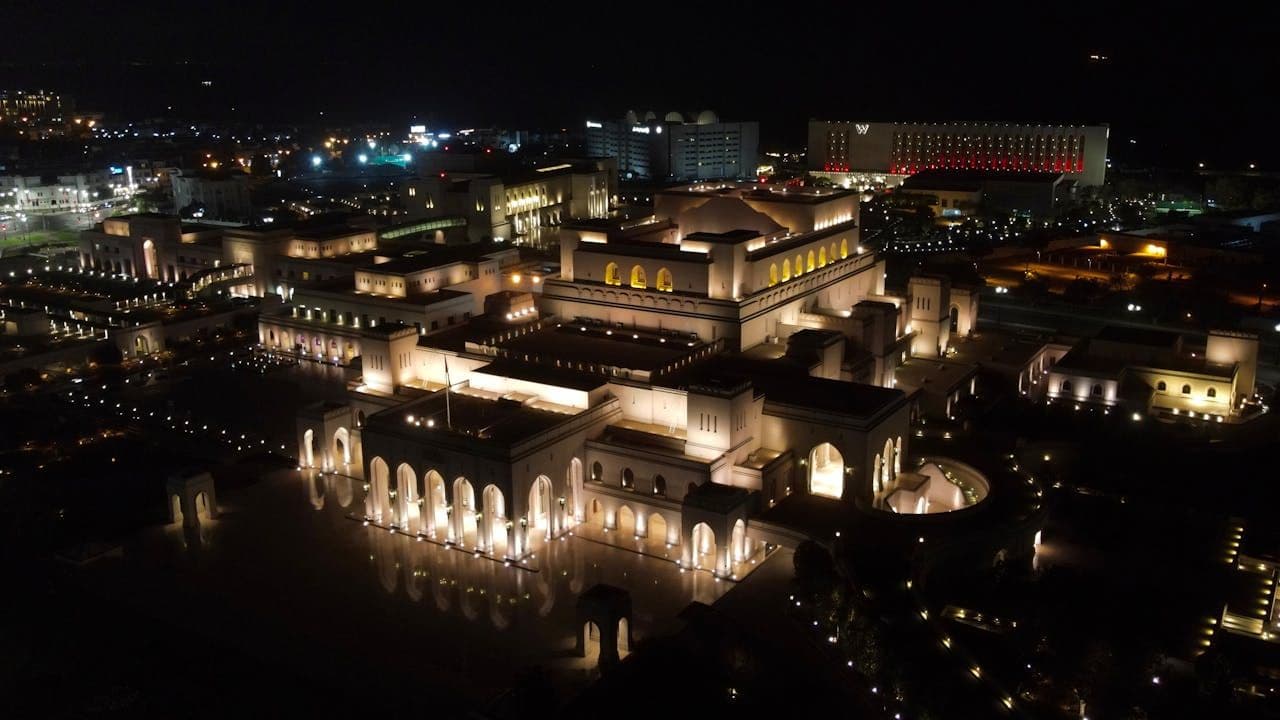
OmanOman is positioning Muscat at the center of its growing AI ambitions with a newly established Artificial Intelligence Special Zone. (Pexels)

Oman is moving to carve out a larger role in the regional artificial intelligence economy after His Majesty Sultan Haitham bin Tarik issued Royal Decree No. 50/2026 establishing the “Artificial Intelligence Special Zone” in Muscat Governorate. The decree signals a deeper push by the Sultanate to position itself as a destination for advanced technology investment and AI-driven industries as Gulf states intensify efforts to diversify beyond hydrocarbons.

The new zone will be developed on a designated land area identified under an official masterplan attached to the legislation. The Public Authority for Special Economic Zones and Free Zones (OPAZ) will oversee the initiative and appoint the entity responsible for managing, operating, and developing the zone in coordination with Oman’s Ministry of Transport, Communications and Information Technology.

The decree also states that projects established within the zone will receive incentives, privileges, exemptions, and facilities under Oman’s Law of Special Economic Zones and Free Zones, issued under Royal Decree No. 38/2025.

Aligning With Oman’s Digital Transformation Strategy

The announcement reflects Oman’s broader digital transformation strategy under Oman Vision 2040, which aims to expand the country’s knowledge economy and strengthen its technology infrastructure. The government has increasingly positioned AI as a pillar of long-term economic diversification as Gulf states accelerate efforts to attract technology investment and build advanced digital industries.

The establishment of a dedicated AI-focused zone places Oman alongside neighboring Gulf countries that have launched specialized ecosystems for emerging technologies, including AI, cloud infrastructure, robotics, and digital services. However, Oman’s approach appears more targeted and gradual, emphasizing regulatory frameworks, infrastructure development, and state-backed coordination mechanisms before large-scale commercialization.


Oman flagOman’s latest AI initiative aims to strengthen the country’s role in the Gulf’s rapidly evolving technology landscape. (Unsplash/Modified by Block News International)

The decree represents more than a standard policy announcement, establishing a formal legal and economic framework around AI investment in Oman. Dedicated economic zones across the Gulf are commonly used to attract foreign companies through tax incentives, streamlined licensing, regulatory flexibility, and infrastructure support. By creating a specialized zone focused on AI development, Oman is signaling that the technology sector will play a central role in its long-term economic strategy.

The new zone also aligns with Oman’s National Artificial Intelligence Strategy, which seeks to increase the digital economy’s contribution to GDP and expand AI adoption across sectors including logistics, transportation, tourism, manufacturing, agriculture, and public services.

Expanding AI Applications Across Key Sectors

AI pilot programs in Oman have included applications such as facial recognition systems, air quality monitoring, drone surveying, smart urban planning, agricultural analysis, and fish-farming technologies. These efforts suggest the government is attempting to integrate AI into both industrial and public-sector operations rather than treating the technology solely as a private-sector opportunity.

The decree comes at a time when Gulf governments are increasingly competing to establish themselves as regional AI hubs. The UAE and Saudi Arabia have accelerated investments in sovereign AI models, semiconductor partnerships, cloud computing infrastructure and AI-focused regulatory frameworks over the past two years. Oman, while operating on a smaller scale, appears to be positioning itself as a specialized and strategically regulated market that could appeal to firms seeking long-term regional expansion opportunities.

Unlike broader free zones centered on finance, trade, or manufacturing, Oman’s AI zone may ultimately serve as a testing ground for emerging technologies and digital governance frameworks. The appointment of a future operator for the zone will likely determine how aggressively the initiative moves to attract international companies, startups, research institutions, and infrastructure providers.

The creation of the Artificial Intelligence Special Zone marks one of Oman’s clearest institutional commitments to AI development so far.