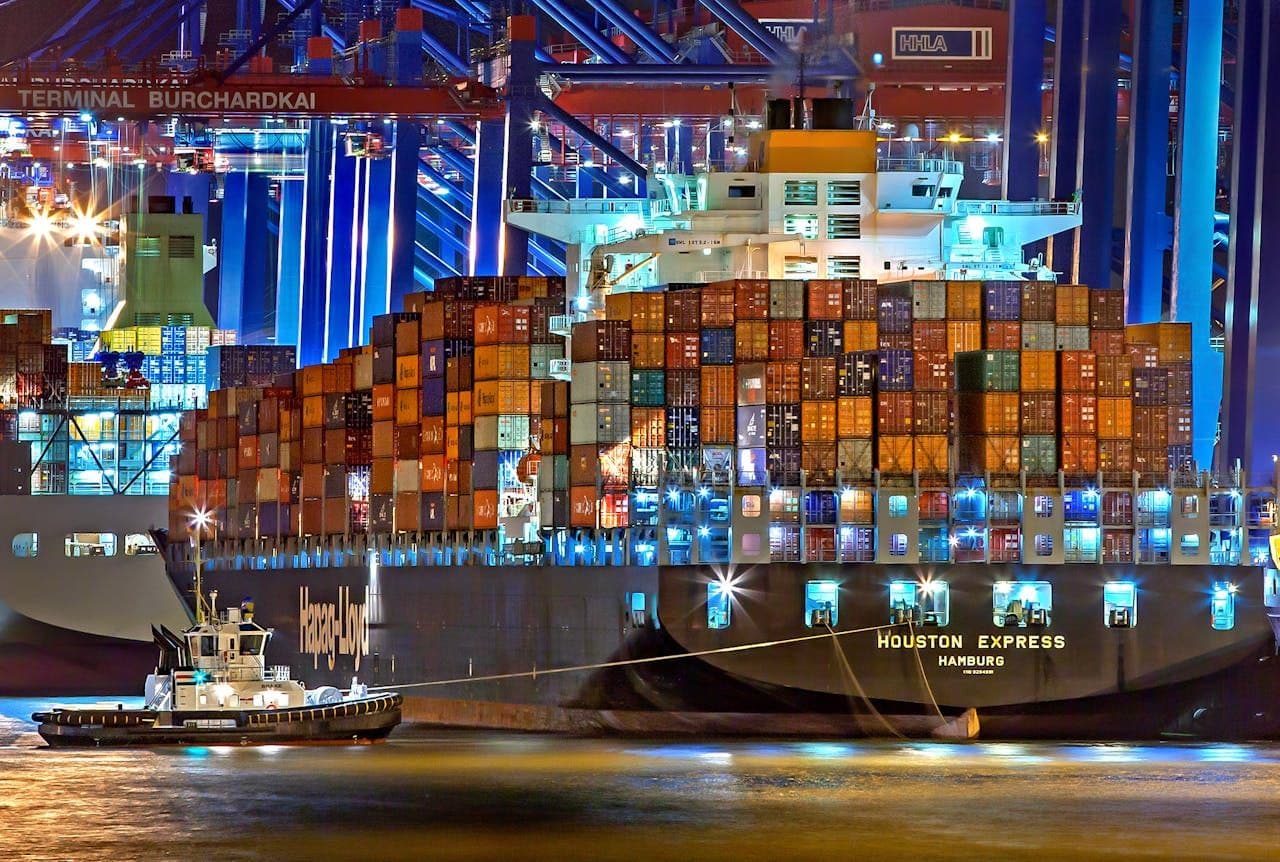
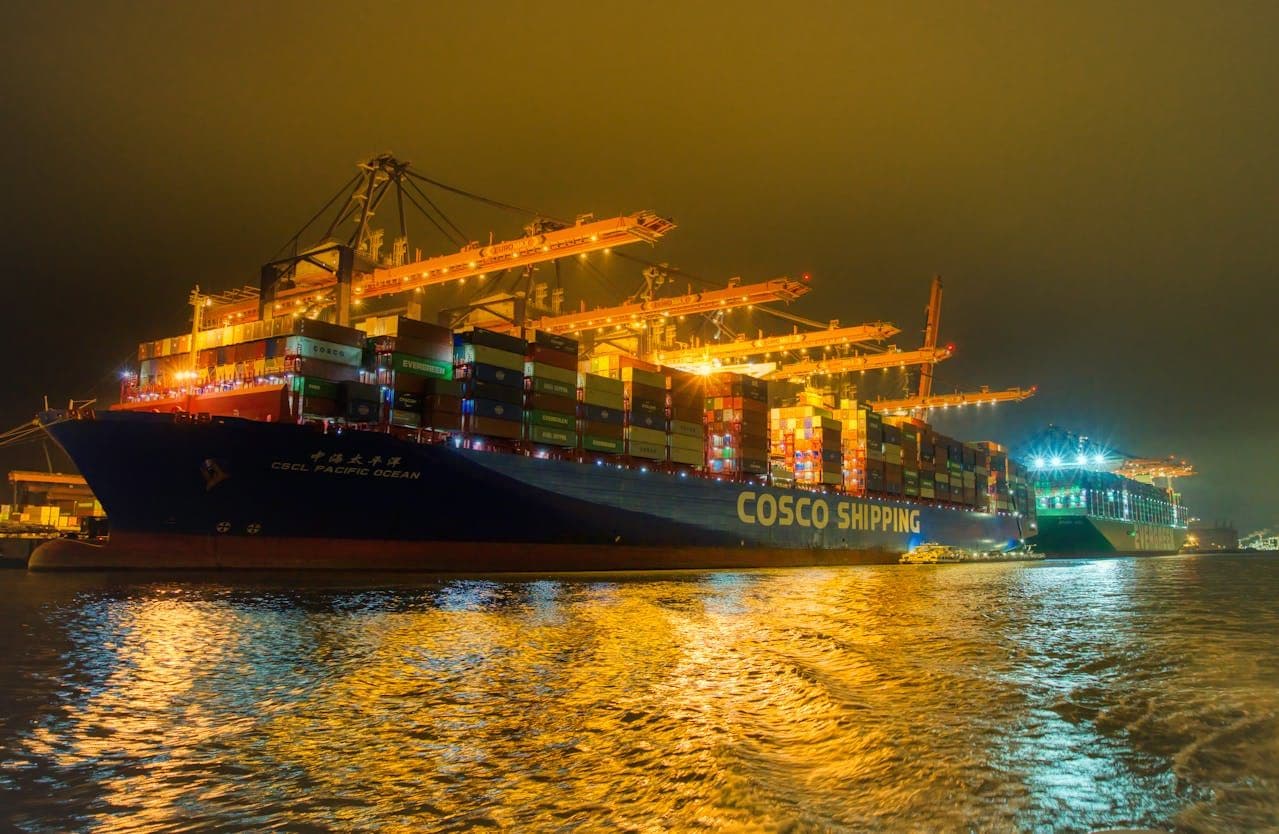
Mubadala described container leasing as a “core component” of global logistics infrastructure, noting that maritime shipping continues to carry the majority of world trade. The sovereign investor added that the sector benefits from long-term lease arrangements and consistently high utilization levels, characteristics that infrastructure investors often favor because they provide predictable revenue visibility across market cycles.
Hammad Rahman, Head of Asia Pacific, Infrastructure, Mubadala, said: “This investment reflects our focus on building partnerships with leading operators to invest in infrastructure platforms that are fundamental to global economic activity. Container leasing sits at the heart of global trade, enabling the efficient movement of goods across markets. The combination of Textainer and Seaco creates a scaled platform with strong market positioning, and together with Stonepeak, we are investing in a business that is well positioned to deliver long-term value.”
Stonepeak, which acquired Textainer in 2024 before backing the Seaco transaction, framed the investment as part of a long-term growth strategy for the combined platform.
James Wyper, Board member of Textainer, Head of Transportation & Logistics and Head of U.S. Private Equity, Stonepeak,said: “We are delighted to welcome Mubadala as our partner in this high-quality platform, which serves as a critical link in global trade. Together, we look forward to supporting Textainer and Seaco’s long-term growth as they continue delivering flexible and reliable container solutions to customers worldwide.”
Gulf Investors Expand Beyond Traditional Energy Assets
The transaction also highlights how Gulf sovereign wealth funds continue increasing exposure to transportation and industrial infrastructure assets outside traditional energy investments.
Mubadala has steadily expanded its infrastructure portfolio in recent years across transportation, logistics, digital infrastructure, and energy transition assets. The company’s broader infrastructure holdings already include Transportation Equipment Network (TEN), one of North America’s largest trailer leasing businesses.
Abu Dhabi-based investors are increasingly drawn to logistics infrastructure because of its role in supporting long-term trade growth, e-commerce expansion, and manufacturing diversification across Asia and emerging markets. Unlike sectors heavily influenced by short-term consumer sentiment, container leasing businesses typically operate through long-duration contracts with recurring cash flows.
Consolidation trends have continued shaping the container leasing sector as operators pursue greater scale and operational efficiency. Larger leasing platforms can optimize depot utilization, secure stronger financing terms, and reposition equipment more efficiently across global trade routes.
The Textainer-Seaco combination arrives at a time when global shipping markets are navigating a more normalized environment following the extreme volatility seen during 2021 and 2022. Freight rates have cooled from pandemic highs, but infrastructure investors continue viewing maritime logistics as strategically important due to the long-term expansion of global trade networks and persistent demand for shipping capacity.
Research on maritime transportation has consistently shown that container shipping remains central to global commerce networks, with international cargo routes acting as foundational links in worldwide economic activity.