
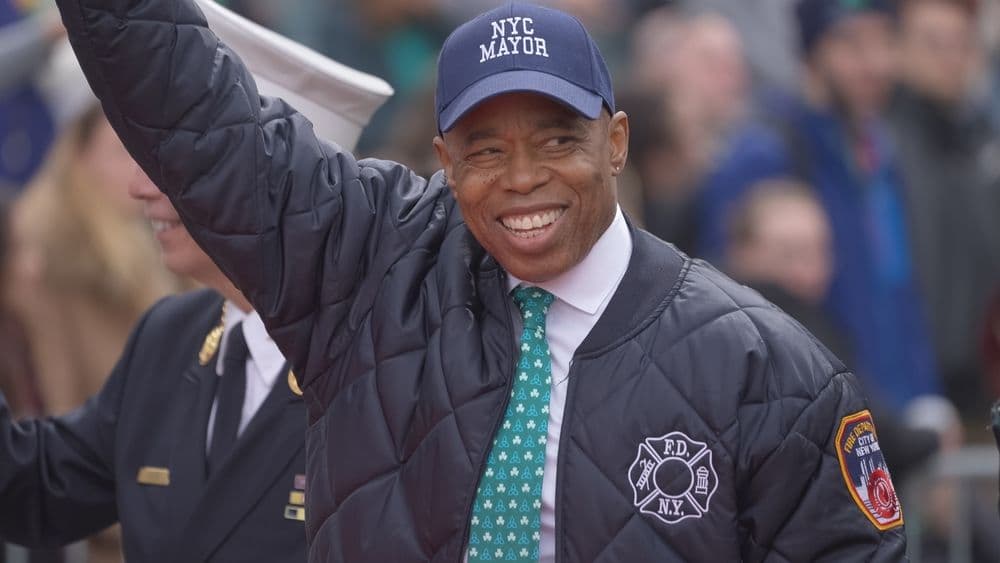
 Rug pull claims surface as NYC token unravels hours after launch. (Shutterstock)
The Solana-based memecoin, promoted by Adams, drew intense attention almost immediately. Speculative interest surged, pushing the token’s market value into the hundreds of millions within a short window after trading began. That rapid ascent, however, was followed by equally rapid questions about how the token was launched and who benefited most from its early momentum.
The episode highlights a recurring tension in crypto markets, where celebrity involvement can fuel explosive demand but does little to guarantee transparency or accountability. For Adams, it also marks a politically sensitive moment, with his post-mayoral move into digital assets now drawing scrutiny that risks eclipsing his record in public office.
Proud to launch @buynyctoken, a new token built to fight the rapid spread of antisemitism and anti-Americanism across this country and now in New York City.
— Eric Adams (@ericadamsfornyc) January 12, 2026
Now live at https://t.co/zowY9Ri3aK pic.twitter.com/qBMzV88Tmj
NYC Token was unveiled on January 12, 2026, during a media appearance in Times Square. The launch was streamed online and amplified across social platforms, with Adams framing the project as a way to encourage community participation rather than financial speculation.
Trading activity took off almost immediately. Within less than an hour, the token experienced a dramatic surge, with blockchain data showing its market value climbing from negligible levels to an estimated peak near $580 million. The speed of the rally drew both excitement and caution among market watchers familiar with the volatility of memecoin launches.
That enthusiasm did not last long. Soon after the surge, unusual liquidity movements began to appear on-chain. Wallets associated with early participants and the token’s initial setup started pulling significant amounts of stablecoin liquidity from decentralized trading pools. As liquidity thinned, the token’s price dropped sharply, wiping out much of its earlier gains and leaving late entrants facing steep losses.
On-chain activity suggested that a large share of liquidity was removed near the peak of trading, with only part of it later restored. The imbalance between what was withdrawn and what was returned intensified criticism that the launch followed a pattern seen before in troubled token projects, where early actors reduce exposure after demand crests, shifting risk onto retail participants.
Within crypto circles, this type of behavior is often described as a “rug pull,” a term used when insiders or early participants drain liquidity or sell into peak demand, causing prices to collapse. While interpretations vary, such episodes are commonly defined by a lack of transparency and sudden changes that catch the broader market off guard.
Analysts at platforms like Bubblemaps flagged the liquidity movements as suspicious, pointing to the timing and scale of the withdrawals. Analysts noted that such activity is rarely associated with organic market growth, which tends to unfold more gradually without abrupt, coordinated wallet actions.
The team behind NYC Token rejected claims of intentional misconduct. In statements shared through the project’s social channels, organizers said the liquidity changes were part of a technical rebalance meant to keep trading functional amid overwhelming demand. They denied that insiders sold tokens and said internal holdings were subject to lockups and transfer restrictions.
Statement: pic.twitter.com/krRJEV4tjp
— NYC Token (@buynyctoken) January 13, 2026
Critics, however, remain unconvinced. They argue that a genuine rebalance could have been communicated in advance or implemented more gradually. The sudden nature of the liquidity shifts, combined with their timing near peak prices, has kept skepticism high among independent observers.
At the heart of the controversy is Adams’s precise role in the project’s financial structure. While he served as the public face of NYC Token, details about the development team, funding arrangements, and token distribution have not been clearly disclosed. There has been no independently verified breakdown showing how many tokens were held by insiders compared with those available to the public.
Adams has not addressed the allegations in depth, instead emphasizing the token’s stated mission and potential future use. At launch, he said he was not taking a salary from the project, though he stopped short of ruling out financial involvement at a later stage.
His move into crypto follows a long-standing interest in digital assets. During his time as mayor, Adams promoted New York City as a blockchain-friendly hub and famously opted to receive portions of his salary in Bitcoin, earning him the nickname “Bitcoin Mayor.”
The collapse of NYC Token comes amid a broader wave of crypto projects tied to public figures, many of which have drawn criticism for prioritizing hype over substance. Market observers say celebrity endorsements can drive short-term speculation but offer little assurance of long-term viability.
Memecoins in particular, often lacking clear utility or revenue models, are frequently compared to high-risk bets rather than conventional investments. Their reliance on social media momentum and rapid price swings means late participants are often exposed to outsized downside risk.
Episodes like the NYC Token collapse have renewed concerns about investor protection in largely unregulated crypto markets. While some regulators are exploring tighter oversight, global approaches remain fragmented, leaving many retail participants vulnerable to sudden market shifts and opaque project structures.

New FinTech Pilots Take Shape in Dubai

AI reshapes institutional learning across MENA

Terafab ties AI, robotics and space together

Fitting targets a more digital supply chain

Stay ahead with the latest updates, insights, and trends shaping the world of finance, investment, blockchain, digital business, fintech, technology, and global markets.

