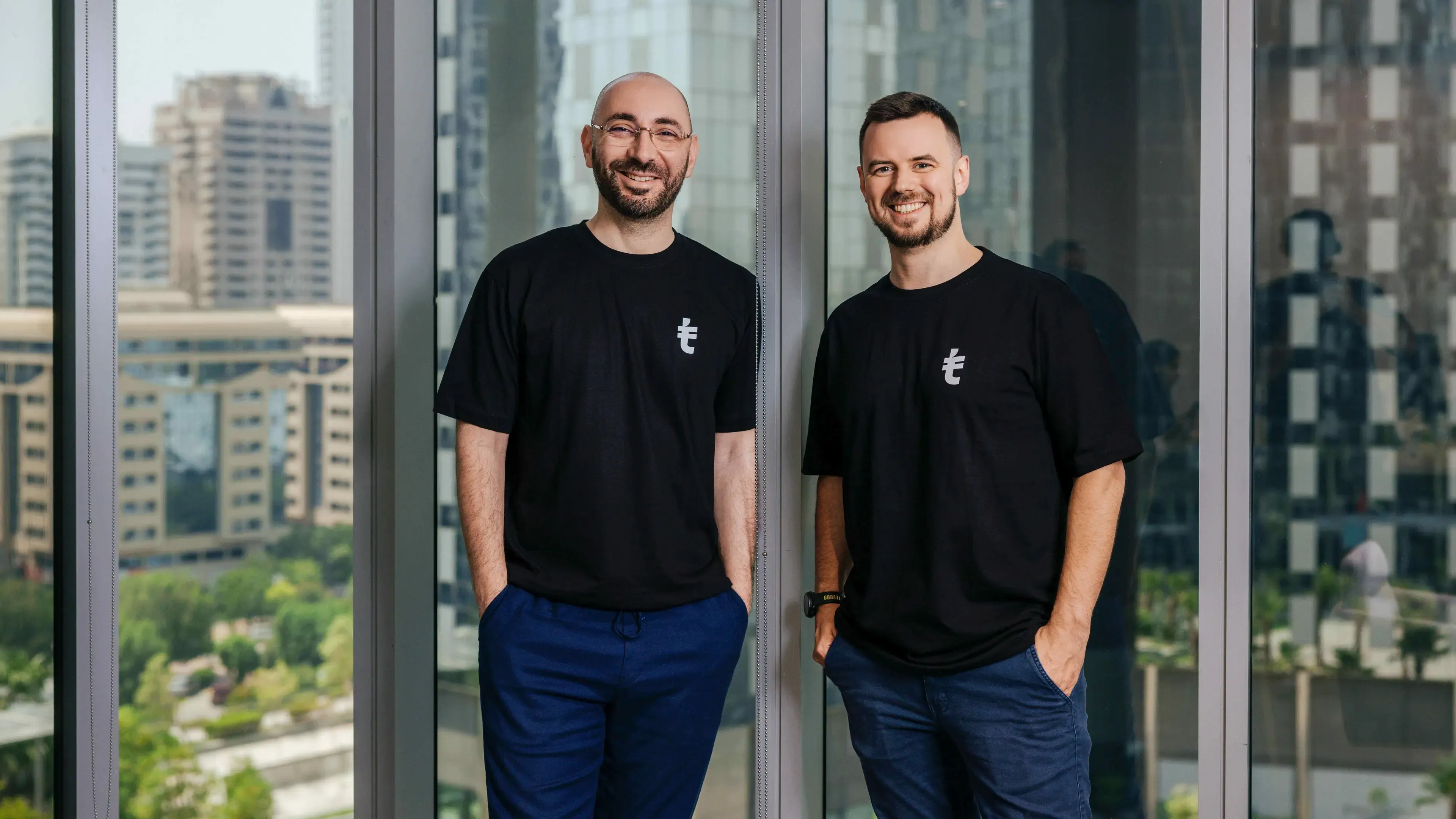
The post, published on Anas Bukhash’s official Instagram account, quickly drew engagement from users, with many entrepreneurs and small business owners sharing their ventures in the comments. From food vendors to home-based startups and service providers, the thread has become an active space for users to introduce their businesses and connect with others.
Unlike traditional marketing campaigns, the initiative did not originate from a brand, agency, or institution. There are no sponsorships, no formal partnerships, and no structured rollout. Instead, its momentum appears to be driven entirely by community participation and the reach of Bukhash’s platform.
Bukhash, widely known in the region for his interview series and media presence, has built a following that spans entrepreneurs, creatives, and professionals. His post tapped into an existing audience already engaged with business and innovation, allowing the idea to spread organically.
The timing of the post is notable. Small and medium-sized enterprises across the UAE, as in many global markets, continue to navigate a landscape shaped by shifting consumer behavior, rising operational costs, and broader economic uncertainty.
While the UAE remains one of the region’s most resilient business environments, SMEs still face visibility challenges, particularly in competitive urban centers like Dubai. Digital platforms have increasingly become essential tools for customer acquisition, but they are often saturated and driven by paid promotion.
In this context, Bukhash’s post offered something different: a zero-cost, community-driven alternative where businesses could present themselves directly to potential customers without algorithmic barriers tied to advertising spend.
What sets this initiative apart is how it reframes a basic social media feature. The comment section, typically a space for reactions and brief exchanges, has instead functioned as a dynamic listing platform.
Users are not only sharing their businesses but also engaging with one another, asking questions and offering feedback. This has created a layered interaction that goes beyond simple promotion.
In effect, the post has become a micro-marketplace, informal, decentralized and continuously evolving.
The structure remains simple. Business owners introduce themselves, while others browse, respond, and engage with the comments. Visibility is driven largely by interaction rather than paid reach, allowing businesses to gain attention through community participation instead of advertising spend.
This simplicity may explain its rapid uptake. There are no barriers to entry, and participation requires minimal effort, making it accessible to a wide range of users.
The development also reflects the growing role of creators in shaping economic conversations, particularly in regions like the UAE where digital adoption is high and social media penetration is widespread.
Creators are no longer limited to entertainment or lifestyle content. Increasingly, they are acting as connectors, facilitators, and amplifiers for business ecosystems.
Bukhash’s post illustrates how influence can extend beyond brand partnerships into community-building. By leveraging his platform, he effectively redirected attention toward smaller, often overlooked businesses.
This aligns with broader trends in the creator economy, where audiences are placing greater value on authenticity and peer-driven discovery rather than traditional advertising.
It is important to note that this initiative is not a formal program or policy-backed effort. There is no official framework, funding mechanism, or institutional endorsement behind it.
Instead, it represents a spontaneous, community-led response that highlights a key dynamic in today’s digital economy: the ability of individuals to mobilize networks at scale.
Media and observers see the significance less in the post itself and more in what it reveals about user behavior. The rapid engagement suggests a strong appetite to support local businesses, particularly when the mechanism is simple, direct, and inclusive.
A Reminder of Collective Momentum
In a region often defined by large-scale projects, rapid growth, and global ambition, the success of this initiative offers a quieter counterpoint.
It underscores that economic activity is not only driven by infrastructure, investment, or policy, but also by everyday interactions between people.
By turning a comment section into a platform for discovery, Bukhash’s post has demonstrated how small actions can generate meaningful visibility for businesses that might otherwise remain unseen.