Block News International

@2026 Block News International. All Rights Reserved.

Blends Media
A Blends Media Group Production

Emirates Launches World-First Starlink Wi-Fi on A380 Fleet

Arry Hashemi
Arry Hashemi
May. 04, 2026
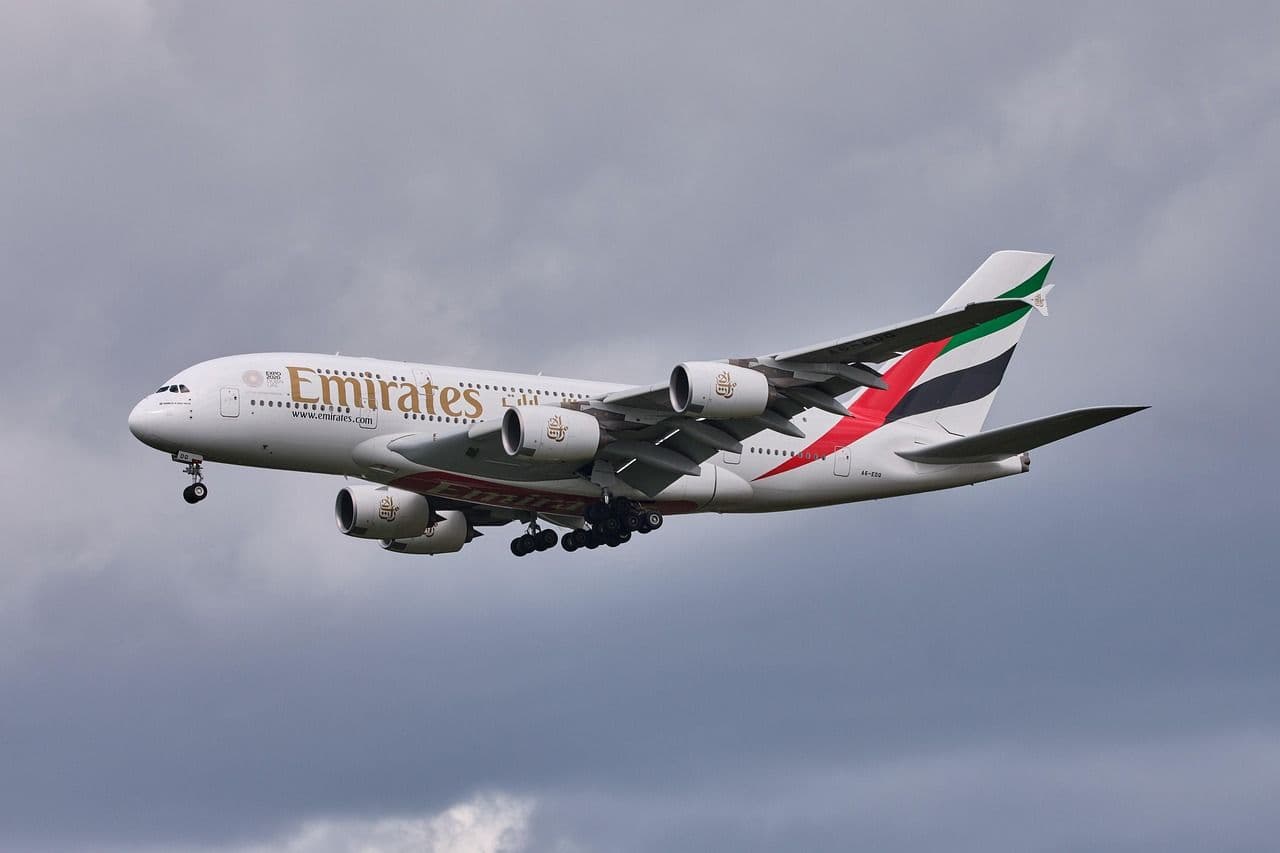
Emirates A380Emirates’ flagship A380 returns to Dubai, now equipped with next-generation Starlink Wi-Fi as the airline pushes to redefine inflight connectivity. (Pixabay)

Emirates has brought one of aviation’s most recognizable aircraft back home, but this time it arrives with something passengers will arguably care about more than champagne or legroom: fast, reliable internet at 40,000 feet.

The airline’s flagship Airbus A380 has returned to Dubai after becoming the first aircraft of its kind to be fitted with next-generation Starlink connectivity.

The aircraft completed installation and certification work in Newquay, United Kingdom, before rejoining Emirates’ fleet, a small but symbolic milestone for a plane that has long represented the airline’s global ambitions.

A Familiar Giant, Now Digitally Reinvented

The Airbus A380 is hardly new territory for Emirates. The Dubai-based carrier remains the world’s largest operator of the double-decker aircraft, with the type forming a core part of its long-haul strategy.

But while the A380 helped redefine premium travel with features like onboard lounges and shower spas, its latest evolution is focused on something more universal: connectivity.

The newly upgraded aircraft is equipped with three Starlink antennas, dramatically increasing onboard bandwidth. Early inflight internet systems on commercial aircraft delivered less than 1 Mbps across the entire cabin, a level that made even sending emails feel like a chore.

Now, Emirates says the new system offers a “thousand-fold” improvement, enabling passengers to stream content, browse, game, and work seamlessly during flight.

In practical terms, that means the kind of connectivity travelers expect on the ground is finally catching up with them in the air.
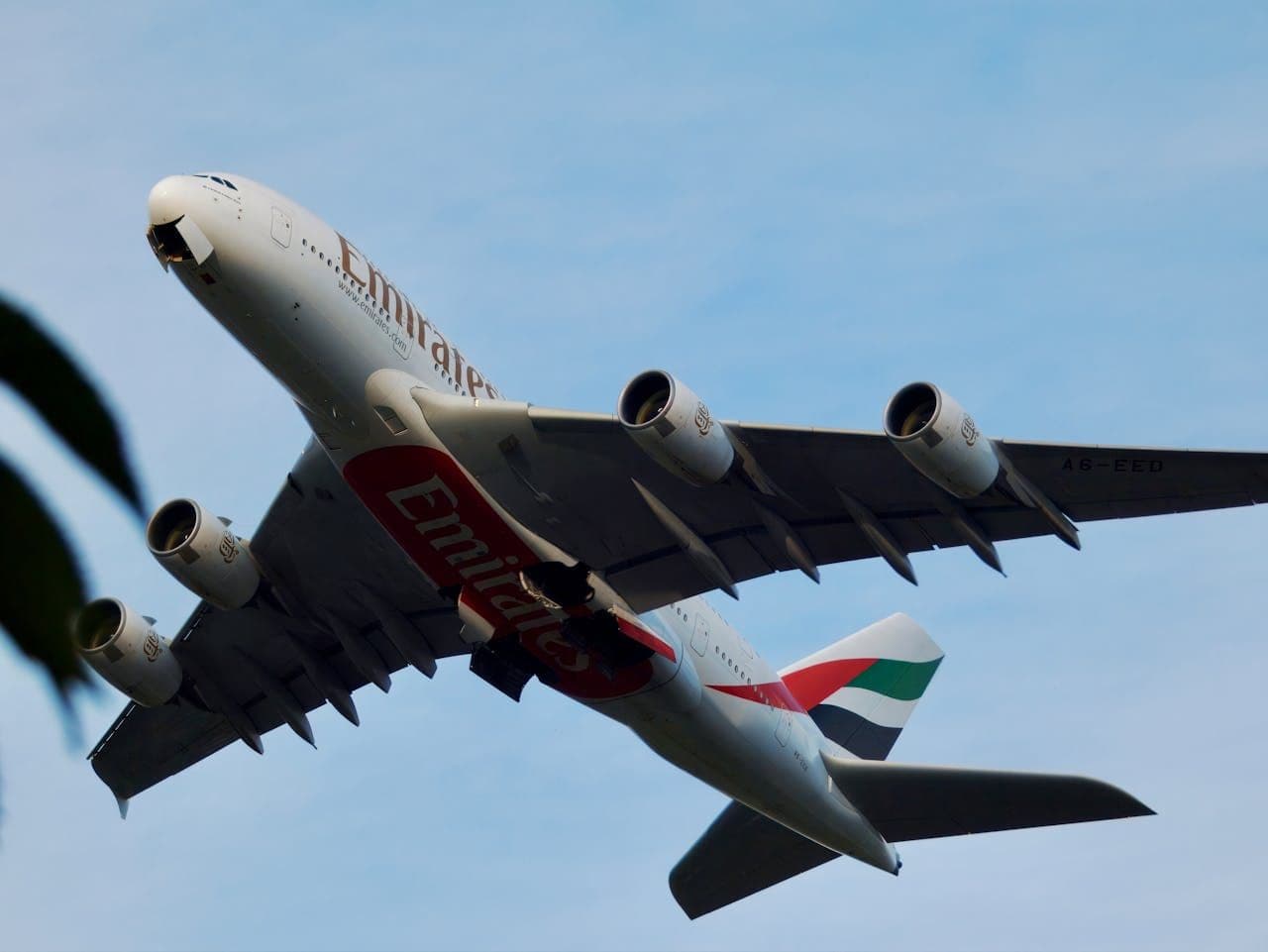

A380Beyond its signature luxury, the Emirates A380 is evolving to meet growing demand for reliable inflight connectivity. (Pexels)

Free Wi-Fi Across All Cabins

In a move likely to resonate with passengers more than technical specifications, Emirates confirmed the upgraded service will be offered free of charge across all cabins.

That decision reflects a broader shift in airline strategy. Connectivity, once treated as a premium add-on, is increasingly becoming a baseline expectation, particularly among business travelers and digitally dependent passengers.

Future enhancements are already planned. Emirates has indicated that live TV streaming will be introduced via Starlink, initially on personal devices and later integrated into seatback screens.

Built on a reputation for physical luxury, the airline’s shift toward digital experience signals a recalibration of what “premium” means in modern aviation.

Scaling Up the Rollout

The returning aircraft is just the beginning. Emirates plans to accelerate installation of the Starlink system across its A380 fleet throughout 2026, with additional upgrades to be carried out at its engineering facilities in Dubai.

The airline has already equipped 25 Boeing 777-300ER aircraft with the same technology, suggesting a broader fleet-wide transformation is underway.

That scale matters. Unlike boutique upgrades or limited-route deployments, Emirates appears to be pursuing a comprehensive connectivity strategy, one that aligns with its position as a global hub carrier linking continents through Dubai.

A Technical First for the A380

While inflight Wi-Fi is not new, the integration of Starlink on the A380 represents a technical milestone. The aircraft’s size and structure have historically posed challenges for connectivity upgrades, making this deployment notable within the aviation industry.

The system’s performance is expected to deliver speeds comparable to ground-based broadband, even at cruising altitude, a claim that, if consistently achieved, could reshape passenger expectations across the sector.

The implications are clear. Flights that once felt disconnected from daily life, sometimes productively so, are becoming extensions of it.

Passengers can now join video calls, stream entertainment, or manage work tasks mid-flight without the usual friction. For airlines, that shift creates both opportunity and pressure.

Connectivity is no longer a differentiator; it is quickly becoming infrastructure., Emirates’ move places it ahead of many competitors in deploying next-generation inflight internet on large aircraft. But it also raises the bar industry-wide, particularly as passengers begin to expect seamless digital experiences regardless of airline or route.