Block News International

@2026 Block News International. All Rights Reserved.

Blends Media
A Blends Media Group Production

Emirates Becomes World’s Most Profitable Airline, Logs $6.6 Billion Profit

Arry Hashemi
Arry Hashemi
May. 08, 2026
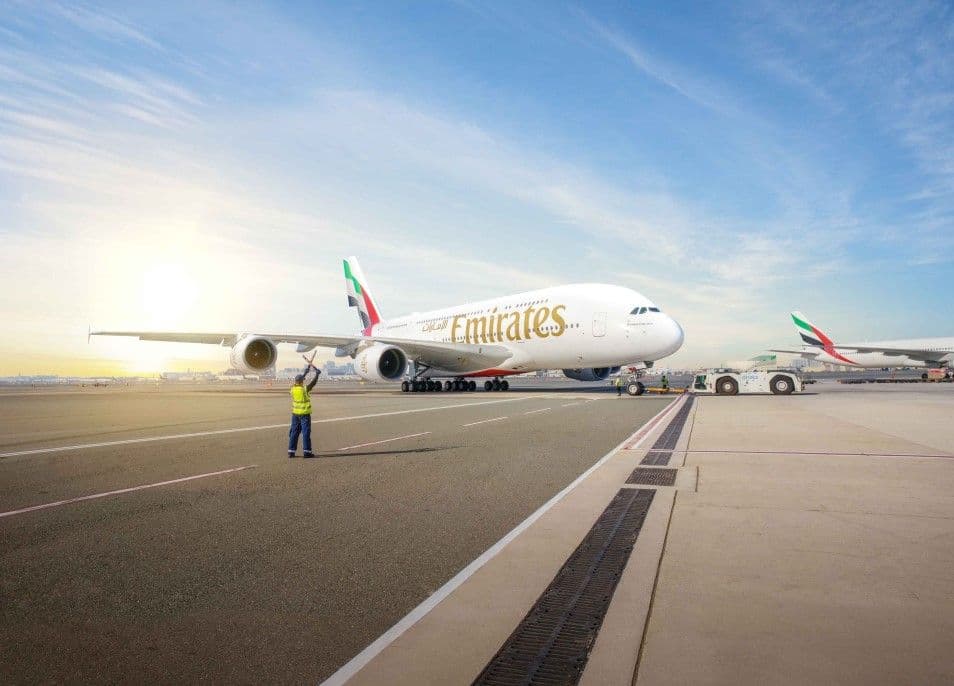
Emirates 1Emirates’ record-breaking results come as Dubai continues strengthening its position as one of the world’s busiest long-haul transit hubs, connecting travelers and trade flows across major global markets. (Image source: Emirates/Modified by Block News International)

The Emirates Group reported its strongest financial performance ever for the 2025-26 fiscal year, posting record profit, revenue, and cash reserves despite growing uncertainty across global aviation markets.

The Dubai-based aviation giant said profit before tax reached $6.6 billion (AED 24.4 billion) for the financial year ending March 31, 2026, marking a 7% increase year-over-year. Revenue climbed to $41 billion (AED 150.5 billion), while cash assets rose 12% to $16.2 billion (AED 59.6 billion).

The results further reinforce Emirates’ position among the world’s most profitable airlines and underline Dubai’s continued rise as one of the most strategically important global aviation hubs.

Dubai’s Global Aviation Model Continues Delivering Growth

Unlike many international carriers that leaned heavily on domestic travel recoveries after the pandemic era, Emirates continued benefiting from long-haul international demand flowing through Dubai’s east-west transit model. The airline’s network spans major markets across Asia, Europe, Africa, and the Americas, allowing it to capture both tourism and business travel demand through a single global hub.

His Highness Sheikh Ahmed bin Saeed Al Maktoum, Chairman and Chief Executive, Emirates airline and Group said: “These outstanding results, despite significant challenges in the last month of our financial year, reaffirm the strength and resilience of the Emirates Group’s business model, which is rooted in safety, excellence, innovation, people and partnerships. The Emirates Group enters 2026-27 with very strong cash reserves, which enable us to progress with our plans to strengthen our business without knee-jerk cost control measures.”
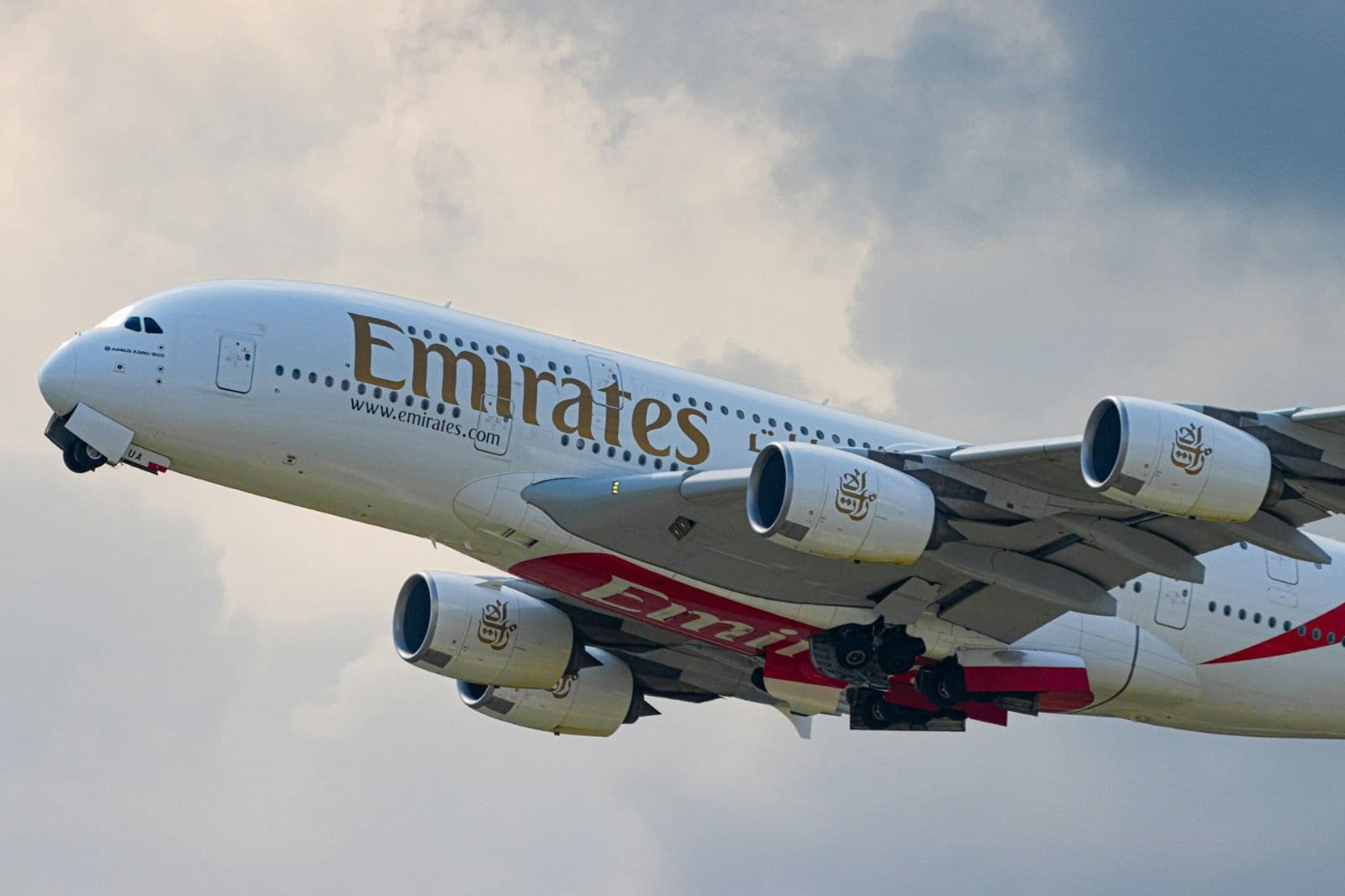
Emirates 2From fleet expansion to premium long-haul travel demand, Emirates’ latest earnings highlight how Gulf aviation continues evolving into a major pillar of regional economic diversification. (Pexels)

Emirates Navigates Changing Aviation Market Conditions

The results arrive during a period of evolving market dynamics for global aviation, particularly across the Middle East, where shifting airspace conditions have added operational complexity for airlines throughout the region.

Despite broader market volatility, long-haul travel demand has remained relatively resilient, especially through major international transit hubs such as Dubai. Airlines have continued balancing fluctuating fuel costs, evolving travel patterns, and ongoing supply chain pressures while competing for premium international passengers.

Emirates’ ability to maintain strong profitability during a period of shifting regional market dynamics highlights the scale and flexibility of its global network, spanning major commercial and tourism corridors across Europe, Asia, Africa, and the Americas.

Emirates continued benefiting from strong premium travel demand and high international connectivity through Dubai, helping support revenue growth during the reporting period.

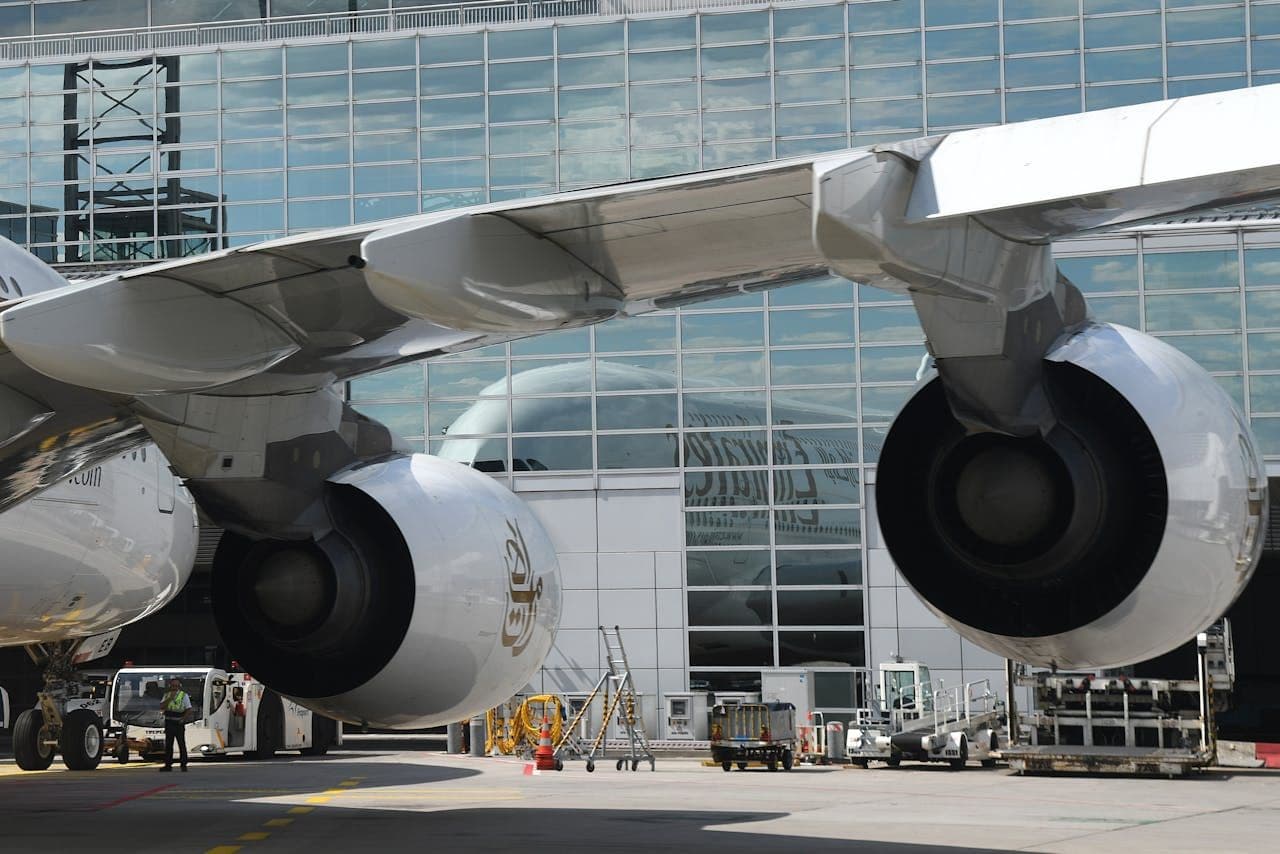
Emirates 3Emirates’ latest financial performance reflects the growing influence of Gulf carriers in global aviation, as Dubai leverages its geographic position, tourism sector, and infrastructure investments to strengthen its role in international air connectivity. (Pexels)

Emirates Strengthens Dubai’s Economic Diversification Strategy

The Group’s results also reflect the growing strategic importance of Dubai’s aviation ecosystem to the wider UAE economy. Emirates remains closely tied to the emirate’s ambitions around tourism, logistics, finance, and international connectivity. Aviation has long served as one of Dubai’s primary economic multipliers, supporting growth across hospitality, retail, trade, and real estate.

In recent years, Gulf carriers have increasingly competed not only on route networks, but also on their ability to position their home cities as global commercial centers. Emirates’ continued profitability strengthens Dubai’s argument that long-haul hub models remain viable even as other regions push for more localized aviation strategies.

Fleet Expansion and Long-Term Investment Continue

The Group’s strong cash reserves may also provide Emirates with significant flexibility as the airline industry continues navigating changing market conditions. Airlines globally continue facing aircraft delivery bottlenecks, supply chain disruptions, and uncertainty surrounding fuel markets.

Emirates has continued investing heavily in fleet modernization and cabin upgrades as competition intensifies among Gulf carriers and international airlines seeking premium travelers. The company has been expanding its Airbus A350 deployment while continuing refurbishment programs across parts of its Boeing 777 and Airbus A380 fleet.

At the same time, dnata, the Group’s air services and ground handling business, also contributed to overall growth. The broader Emirates Group structure has increasingly diversified beyond passenger travel into cargo, airport services, catering, and logistics operations, giving the company additional resilience during periods of travel market volatility.

The latest figures follow another strong year for the Group in 2024-25, when Emirates previously reported $6.2 billion (AED 22.7 billion) in profit before tax.

That trajectory highlights how rapidly Gulf aviation has evolved in recent years. While many airlines globally continue adapting to changing travel behavior and operational pressures, Gulf carriers have continued expanding international connectivity, infrastructure investment, and premium travel offerings.

Aviation has increasingly become one of the clearest indicators of broader economic diversification efforts underway across the Gulf region. Growth in air travel is now closely tied to tourism expansion, foreign investment inflows, and large-scale infrastructure development across the UAE and neighboring markets.

Emirates’ latest milestone may represent more than just a financial achievement.

The airline’s ability to deliver record profitability amid evolving global market dynamics reinforces the enduring strength of Dubai’s international transit model, even as the aviation industry navigates shifting travel patterns and rising competition.

In many ways, Emirates’ latest annual results reflect more than just airline earnings. They offer another signal that Gulf economies are continuing to deepen their presence in globally connected industries capable of generating long-term growth beyond traditional energy markets.