
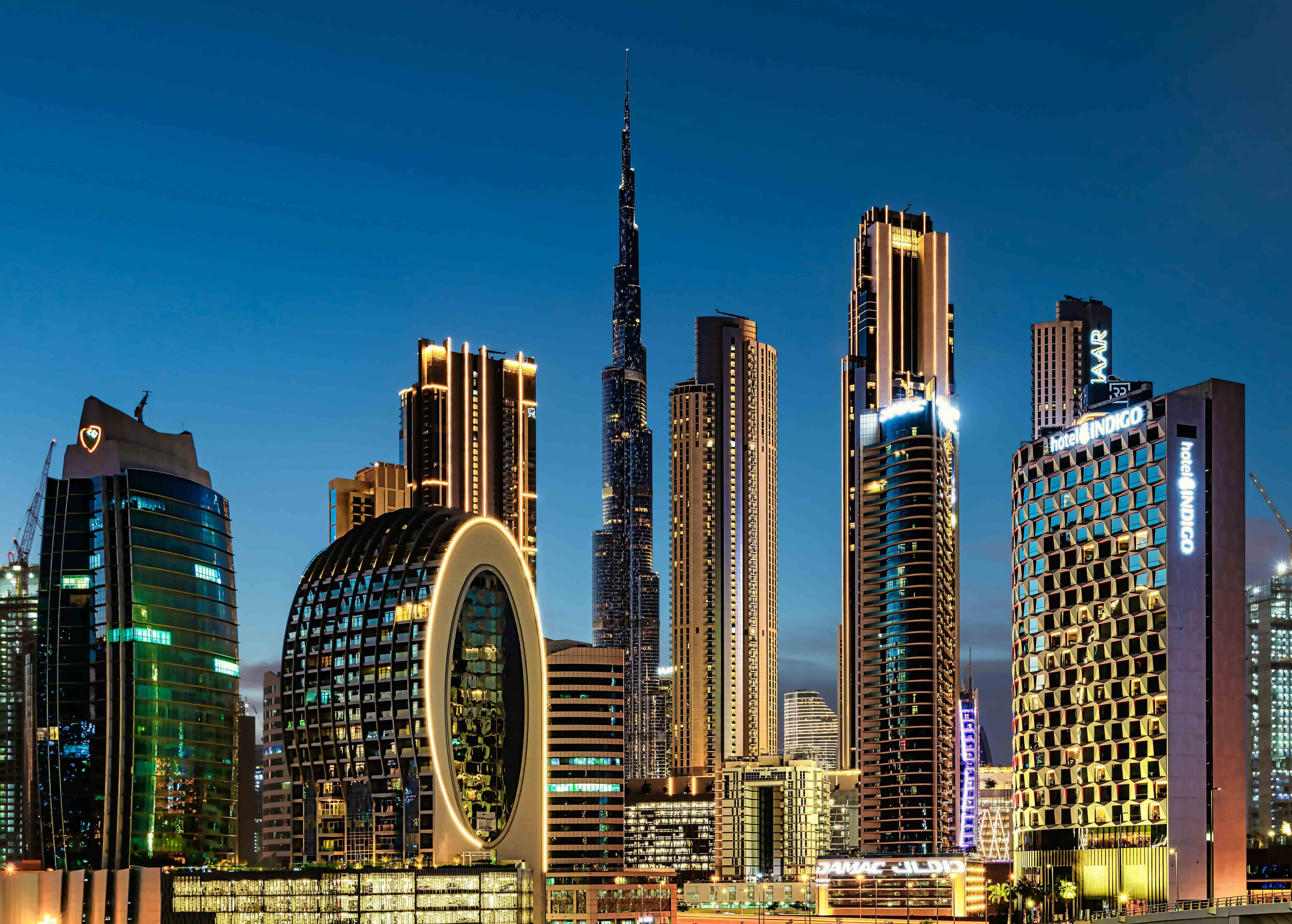
 DIFC backs Web3 builders as Ignyte rolls out AED 1.5M in new challenges. (Unsplash)
The program is advancing a pipeline of upcoming innovation challenges valued at more than $410,000 (AED 1.5 million), with activities scheduled across the first half of 2026.
The figure reflects the combined value of multiple challenge tracks designed to support early-stage Web3 startups through funding, technical support, and direct access to industry partners. DIFC said more than AED 500,000 has already been awarded to participating companies, with the remaining amount allocated to future challenges backed by global blockchain and digital-asset organizations, including Binance, CoinW, Ripple Labs, Solana, and the TON Foundation.
Rather than operating as a traditional accelerator, Ignyte has positioned itself as a challenge-driven platform. Startups are invited to compete around clearly defined problem statements, often linked to real-world use cases such as blockchain infrastructure, decentralized applications, payments, and developer tooling. Winning teams gain financial rewards, but just as importantly, they are connected directly to ecosystems where their products can be tested, integrated, and scaled.
This approach reflects a broader shift in how innovation programs are structured, particularly in fast-moving sectors like Web3. Instead of focusing purely on pitch-based fundraising, challenge models emphasize execution, technical readiness, and market relevance. For founders, success can translate into long-term partnerships rather than one-off prize money.
The latest phase of the program culminated in a Demo Day hosted at Dubai’s Museum of the Future, where participating startups presented their solutions to investors, ecosystem partners, and industry stakeholders. The event also featured workshops and developer sessions supported by the Solana ecosystem, reinforcing the program’s emphasis on hands-on technical engagement rather than surface-level exposure.
Mohammad Alblooshi, Chief Executive Officer of DIFC Innovation Hub, said, “Dubai has become the region’s foremost global hub innovation, with DIFC at the centre of this transformation. Ignyte exemplifies our commitment to empowering the region’s most promising start-ups and blockchain pioneers by providing them with world-class infrastructure, expertise and networks to accelerate their growth. By bringing together industry leaders we are opening direct access to global blockchain ecosystems, removing barriers to entry, and enabling visionary entrepreneurs to build, launch, and scale the future of Web3 - right here in Dubai, for markets across the region and globally.”
Strategic partnerships play a central role in that vision. Binance and CoinW bring exchange infrastructure and liquidity expertise, while Ripple Labs contributes experience in enterprise blockchain and cross-border payments. Solana and the TON Foundation add scalable blockchain networks and developer communities into the mix. Together, these partnerships aim to reduce the friction startups often face when moving from prototype to production.
The expansion of Ignyte’s challenge pipeline also fits into Dubai’s longer-term digital economy strategy. When the platform was first launched in 2024, DIFC positioned it as a gateway connecting startups with investors, mentors, and corporates at scale. The broader ambition was to support tens of thousands of founders over time, while reinforcing Dubai’s role as a center for emerging technologies, including blockchain and digital assets.
What sets Ignyte apart is its emphasis on continuity. Rather than running fixed-length cohorts, the platform allows startups to engage across multiple challenges as their products evolve. This creates an environment where companies can test ideas, refine their models, and build credibility within the same ecosystem, instead of restarting the process with each funding cycle.
In an increasingly competitive global market, that continuity can give Web3 startups a real edge. Direct access to established blockchain networks, paired with validation from recognized partners, helps strengthen their position when raising follow-on funding or working with enterprise clients. It also makes it easier for founders to navigate regulatory and technical hurdles, especially as blockchain adoption shifts from early experimentation to real-world use.
At the same time, challenge-based programs bring their own expectations. To deliver long-term value, they must balance inclusivity with rigorous evaluation, ensuring that funding and partnerships flow to teams with both technical depth and realistic pathways to adoption.
The expanded AED 1.5 million pipeline signals a clear intent. Dubai is not only attracting Web3 activity but actively shaping how innovation is built, tested, and scaled within its ecosystem. Whether Ignyte’s model becomes a reference point for other global financial centers will depend on how effectively these early-stage projects translate into durable businesses.
What is already evident is that DIFC is using Ignyte to move beyond symbolic support for innovation, toward a more structured and outcome-driven approach. In a sector often defined by hype cycles, that focus on execution may prove to be one of the program’s most valuable contributions.
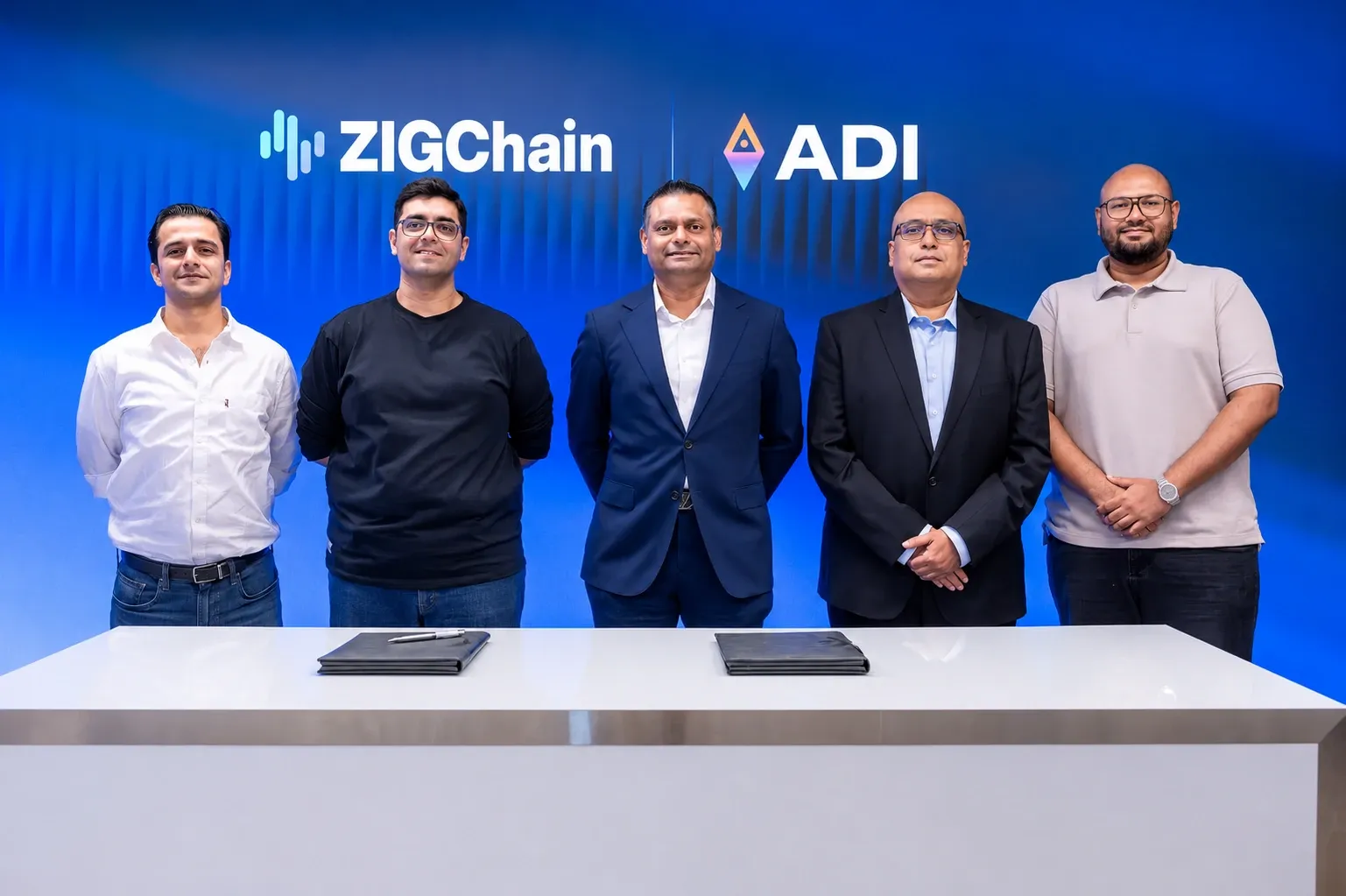
Gulf firms target digital finance infrastructure
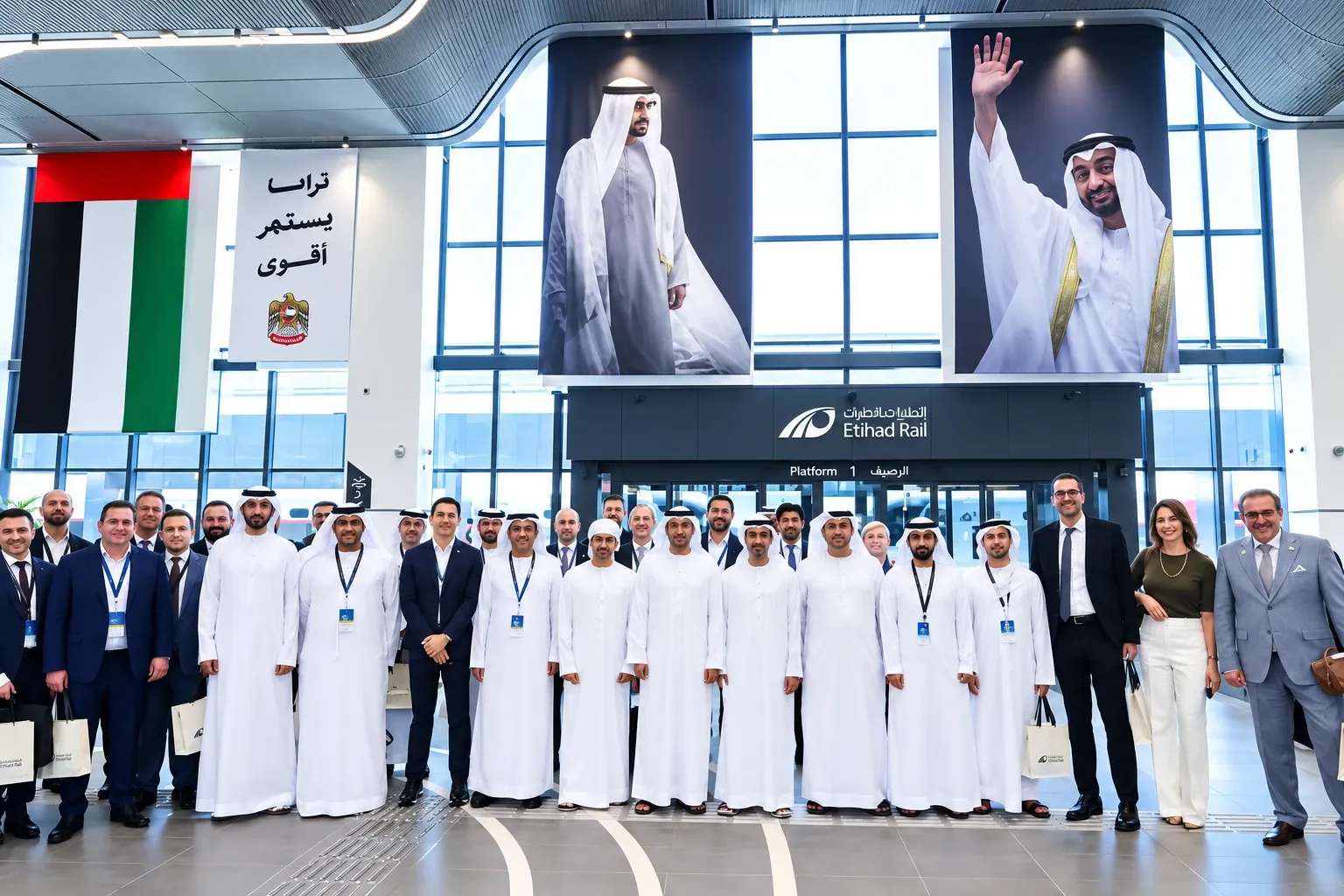
Market ceremony moves onto the rails

Business payments get a digital overhaul
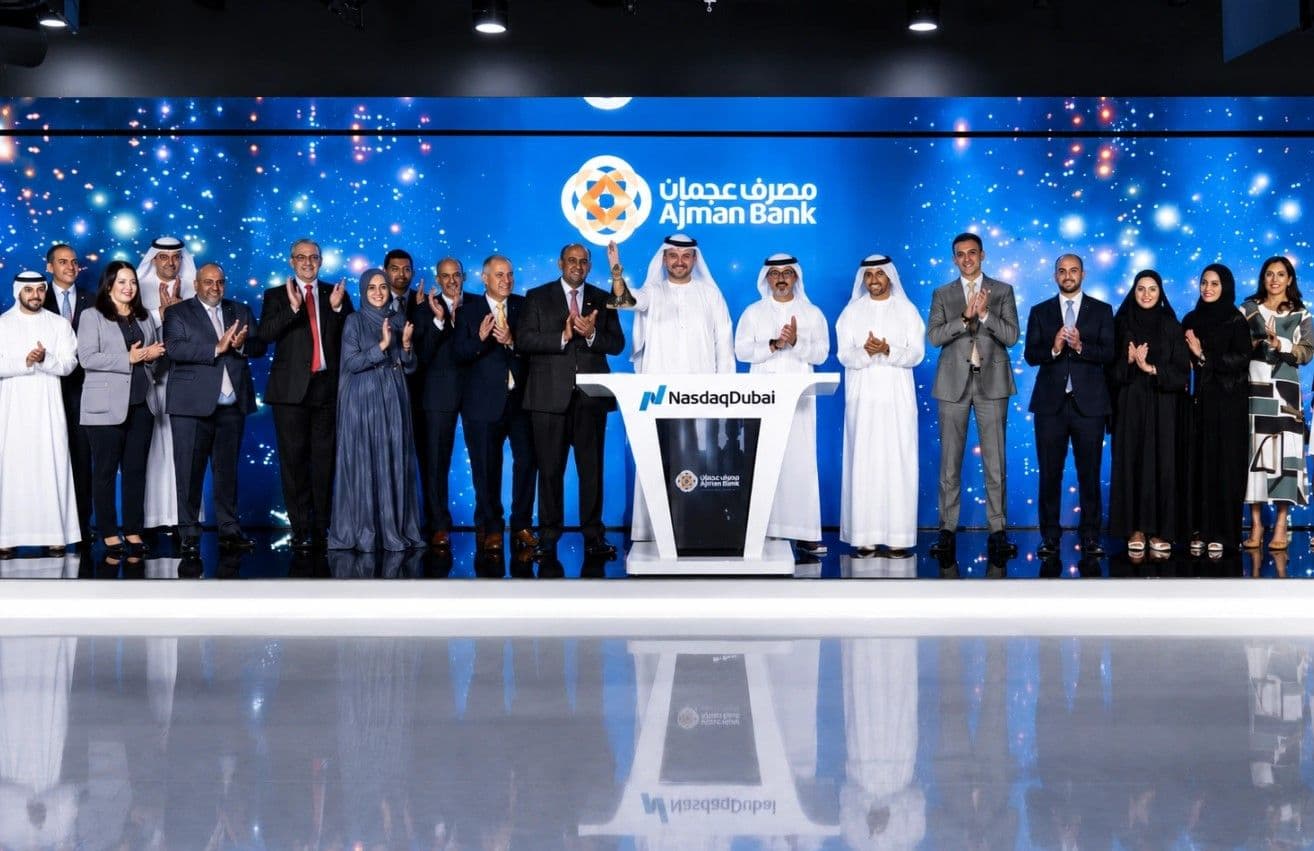
Nasdaq Dubai welcomes Ajman Bank’s $300 million Sukuk

Stay ahead with the latest updates, insights, and trends shaping the world of finance, investment, blockchain, digital business, fintech, technology, and global markets.

