Block News International

@2026 Block News International. All Rights Reserved.

Blends Media
A Blends Media Group Production

Tabby Expands in Saudi Arabia with New Consumer and SME Finance Licenses

Arry Hashemi
Arry Hashemi
Jul. 06, 2026
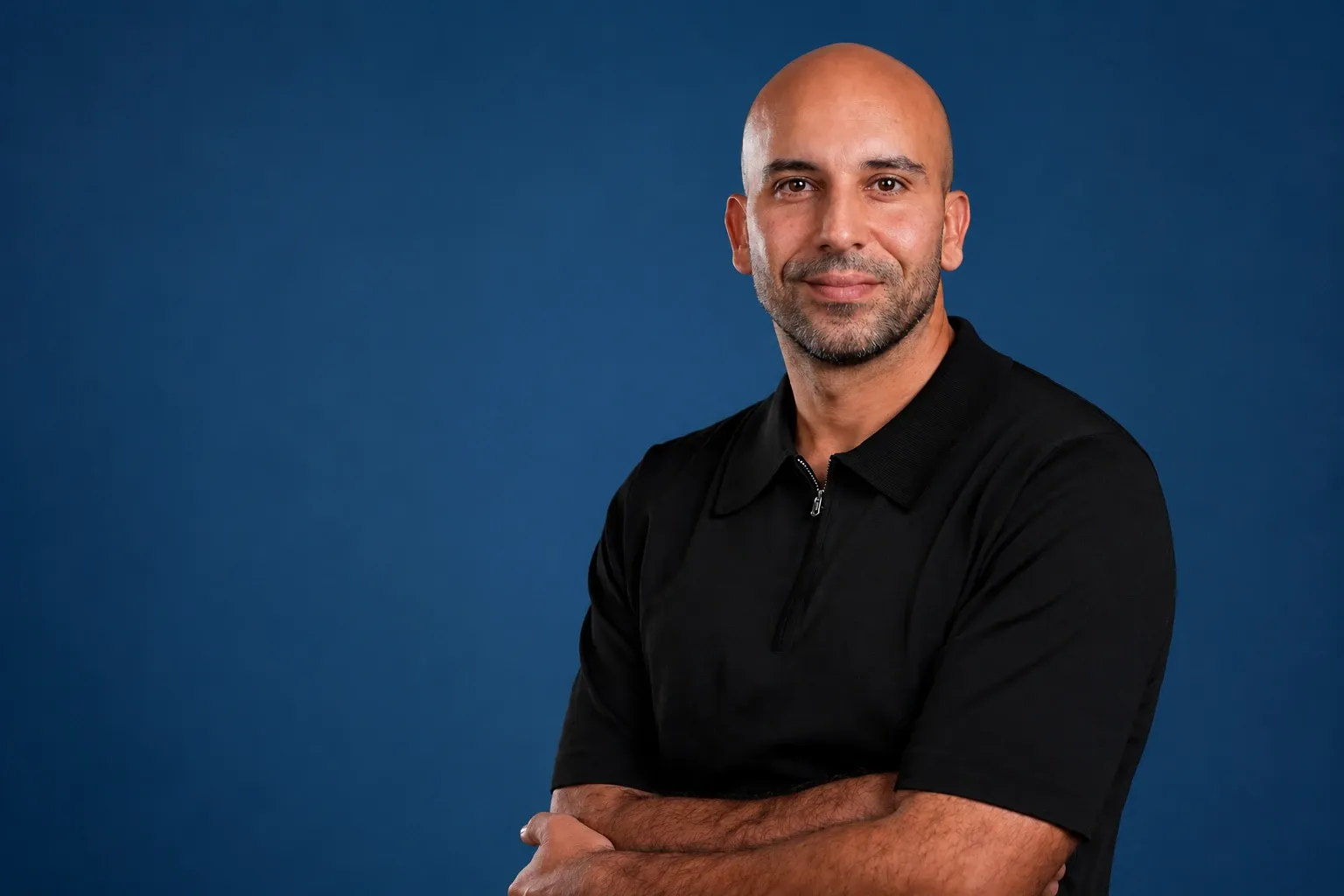
Hosam ArabTabby’s new Saudi finance licenses allow the company to offer larger consumer payment plans and working-capital financing for merchants on its platform. (Image source: Tabby)

Tabby has secured new finance licenses from the Saudi Central Bank, giving the Riyadh-headquartered financial services app room to move further beyond its original buy now, pay later model in Saudi Arabia. The company said the approvals include a consumer finance license and a small and medium-sized enterprise finance license from SAMA, Saudi Arabia’s central bank and financial regulator.

The new licenses allow Tabby to offer longer payment plans on larger purchases in the Kingdom, alongside its existing four-installment product. Under the expanded offering, eligible customers can finance purchases above about $533 (SAR 2,000), with limits of up to about $13,300 (SAR 50,000) and repayment periods of up to 12 months.

Customers approved for the longer plans are already able to use them with selected retailers and service providers, including Noon, Fitness Time, Almanea, IKEA, Almosafer, Almatar and flynas. Tabby said the product is being rolled out first to an initial group of users before becoming available to all eligible customers over the coming weeks.

A Bigger Role in Everyday Finance

The expansion gives Tabby a larger role in higher-value spending categories where short, four-payment plans are often too limited. Education, travel, home furnishing, used cars and short-term rentals can involve larger ticket sizes, making the move into regulated consumer finance a step into areas closer to mainstream household credit.

The broader strategy is already taking shape in other areas. In May, Tabby partnered with zenda to bring flexible payment plans for school fees to families across the UAE, allowing eligible parents to spread tuition, transport and other education-related costs over up to 12 months. The move reflects the company's push to make flexible financing available for more of the expenses people face in everyday life.

Tabby said the longer-term plans are structured under a Shariah-compliant Murabaha model. Under that structure, the cost is agreed upfront and remains fixed across the life of the plan. The company said the amount owed does not grow over time, with no compounding and no late fees.

Hosam Arab, CEO and co-founder of Tabby, said: "Tabby already gives millions of people flexibility and control over their money. Now we can extend that to the bigger purchases in life, paying for a course, furnishing a home, booking a holiday. It answers clear demand from our customers and puts the same control in their hands."


Saudi ArabiaSaudi Arabia remains central to Tabby’s next phase of growth as the company expands from short-term payment plans into regulated consumer and merchant finance. (Pixabay)

Regulatory Momentum in Saudi Arabia

Saudi Arabia has been tightening the regulatory framework around digital finance while also encouraging fintech growth under Vision 2030. The Kingdom’s Financial Sector Development Program is aimed at strengthening financial institutions, improving access to financial services and supporting private-sector growth.

The regulatory path for Tabby in Saudi Arabia has developed in stages. In November 2025, SAMA licensed Tabby Finance to engage in buy now, pay later activity, bringing the number of finance companies licensed by the central bank at that time to 68. The latest consumer and SME finance licenses broaden that foundation and give Tabby permission to serve larger financing needs.

SAMA’s rulebook for BNPL companies shows the level of supervision applied to the sector. The rules cover licensing, customer due diligence, credit limits, advertising, disclosure and contract requirements. They also reflect the regulator’s focus on consumer protection as installment-based finance becomes more common across retail and digital commerce.

Impact on Merchants and SMEs

Merchants are central to Tabby’s model because the product is distributed at checkout. A retailer that offers longer payment terms can make large purchases easier to manage for customers, especially in categories where buyers may delay spending because the upfront cost is high. The commercial benefit for merchants is not simply conversion at the checkout page; it is the ability to sell into more expensive categories without moving customers fully into traditional bank lending.

The SME finance license adds a second track to the story. Tabby said it will allow the company to provide working capital to retailers on its platform, giving merchants access to funding that can support growth. In practical terms, that could mean financing inventory, managing seasonal demand or giving smaller sellers more breathing room between sales cycles and cash needs.

The expansion also strengthens Tabby’s position in its largest market. The company says it serves more than 25 million registered users and over 65,000 businesses across the GCC, with Saudi Arabia, the UAE and Kuwait as its main operating markets. With the new licenses in place, Tabby can now deepen its Saudi offering on both sides of the marketplace: consumers seeking larger payment plans and merchants seeking capital.

Beyond Buy Now, Pay Later

Tabby’s latest approval highlights a broader shift in Gulf fintech. The region’s leading payment and installment players are no longer competing only on checkout convenience. Increasingly, they are seeking regulated licenses that allow them to offer credit, wallets, business finance and other financial services within a single app-based ecosystem.

The Saudi approvals are part of a broader push by Tabby to build regulated financial services across the Gulf. Earlier this year, the company secured a Stored Value Facilities license from the Central Bank of the UAE, opening the door to products such as spending accounts, payment cards and money-management tools. In Saudi Arabia, Tabby’s local unit reported $378 million in revenue and $55 million in net profit for 2025.

Financing larger purchases and providing SME working capital require more than brand recognition and retailer integrations. They require underwriting, compliance, customer protection and regulatory oversight. SAMA’s approval gives Tabby a larger operating perimeter, but it also places the company more firmly inside the regulated finance system.

Tabby will continue to offer its four interest-free monthly payments, but the new licenses signal a more ambitious direction. In Saudi Arabia, the company is no longer only helping customers split smaller purchases. It is positioning itself as a regulated financing platform for consumers and merchants, with larger transactions, longer repayment periods and working-capital products now part of its Saudi growth strategy.