Why miners follow energy, not ideology
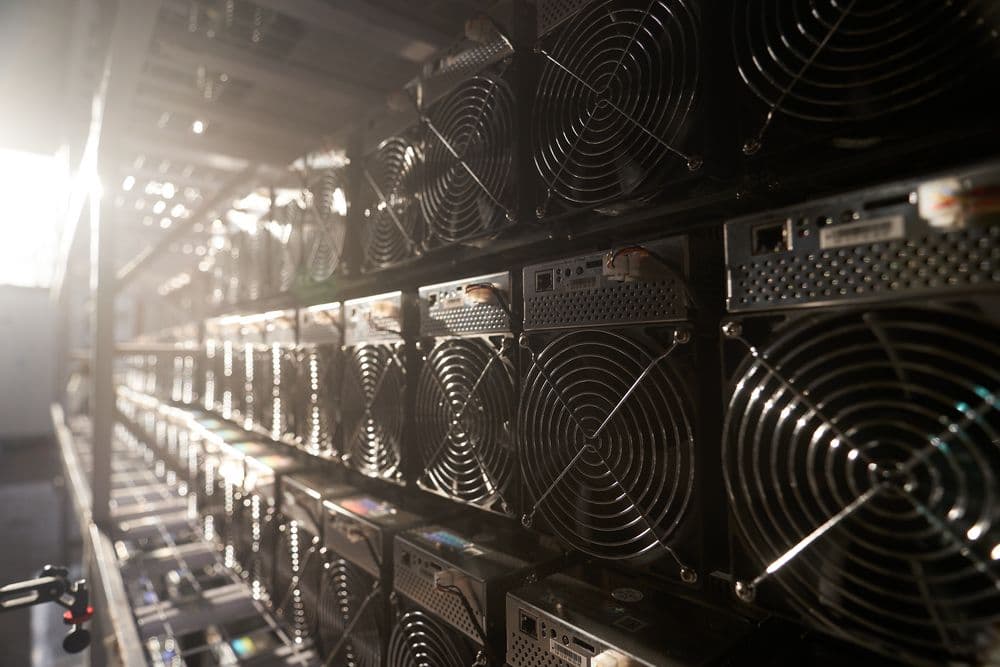
Bitcoin mining is ruthlessly economic. Operators go where electricity is cheapest, regulation is tolerable, and infrastructure is available. Over the past several years, that logic has increasingly favored regions with abundant renewable or low-carbon power, including parts of North America, Scandinavia, and Latin America.
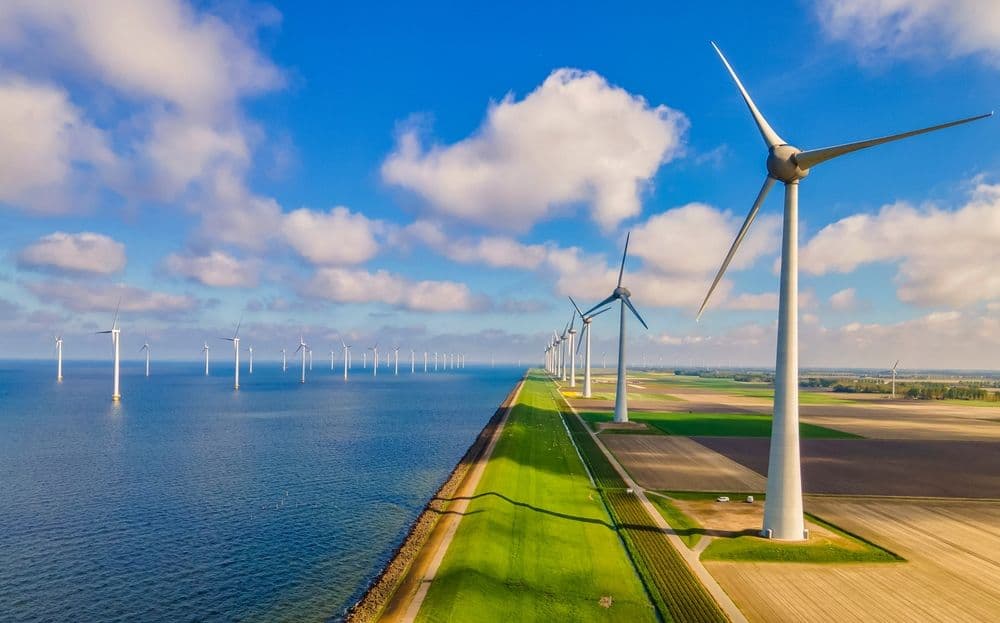
In theory, this dynamic aligns mining with decarbonization trends. Wind- and solar-heavy grids often produce excess electricity during periods of low demand, and Bitcoin miners can act as flexible, interruptible loads that absorb surplus power.
This idea, that mining can support renewable deployment by reducing curtailment, has become central to the industry’s sustainability narrative. In markets like Texas, regulators and grid operators have explicitly studied how large computing loads, including crypto mining, interact with grid stability.
However, this alignment is not guaranteed. If fossil-fuel-based power becomes cheaper due to subsidies, geopolitical shifts, or infrastructure constraints, miners may pivot again. Carbon neutrality by 2030 therefore depends not just on cleaner technology, but on whether low-carbon energy remains structurally competitive.
Regulation is shifting the conversation
While Bitcoin itself cannot be regulated like a company, the businesses that build around it can, and increasingly are.
In Europe, the Markets in Crypto-Assets Regulation (MiCA) introduces sustainability-related disclosure requirements for crypto-asset service providers operating in or marketing to the EU. While MiCA does not ban proof-of-work mining, it raises expectations around transparency, particularly for institutions offering custody, trading, or investment products tied to Bitcoin.
In the United States, federal agencies have moved to improve data collection on large electricity consumers, including crypto miners. These efforts signal that energy use is no longer viewed as a peripheral issue, but as a material factor in infrastructure planning and climate policy.
For institutional investors, this regulatory attention matters. Carbon-neutral claims that lack verifiable disclosure may become less acceptable as compliance standards tighten.
Offsets, methane, and the limits of neutrality
Many mining firms already claim to be “carbon-neutral” today. Most achieve this through some combination of renewable energy credits, carbon offsets, or methane mitigation projects.
Methane-powered mining, in particular, has attracted attention. By using stranded or flared methane from oil fields or landfills to generate electricity, miners argue they can reduce net greenhouse-gas emissions, since methane is far more potent than CO₂ in the short term.
The climate logic is sound in principle, but difficult to audit in practice. Measuring what emissions would have occurred without mining requires robust baselines, independent verification, and long-term monitoring. Without that rigor, methane-based strategies risk being perceived as carbon accounting shortcuts rather than durable climate solutions.
This distinction is critical for ESG-focused allocators. Many investment committees now differentiate between accounting neutrality (offsets and certificates) and physical decarbonization (actual reductions in emissions intensity). The former may satisfy reporting requirements; the latter increasingly determines reputational and capital-allocation outcomes.
Network-level neutrality remains elusive
Even if individual miners become carbon-neutral, that does not automatically make Bitcoin itself carbon-neutral.
As mining efficiency improves and cleaner energy reduces operating costs, total network hashrate can grow. This “rebound effect” means that gains at the unit level can be partially offset by expansion at the system level.
In other words, Bitcoin can become cleaner per unit of computation while still consuming substantial absolute energy. For investors pursuing net-zero portfolios, this nuance matters. The question becomes whether Bitcoin’s emissions trajectory aligns with broader decarbonization pathways, not whether it reaches an absolute zero.
A more realistic 2030 outlook
By 2030, Bitcoin is unlikely to achieve an uncontested and universally accepted claim of carbon neutrality in the strictest physical sense. What appears far more plausible is a mining ecosystem that is materially less carbon-intensive than in previous cycles, reflecting gradual but meaningful changes in how energy is sourced and used across the network.
This transition is likely to be driven by a continued shift toward renewables and nuclear power, particularly in regions where low-carbon electricity is abundant and competitively priced. At the same time, mining operations are expected to face higher expectations around disclosure, as regulators, investors, and grid operators demand clearer data on energy use and emissions.
As Bitcoin becomes more integrated into ESG frameworks, these assessments are also likely to come with clearer caveats and more precise definitions, rather than broad or unqualified sustainability claims. The focus is moving away from labels and toward measurable performance.
For ESG-minded readers, the takeaway is not that Bitcoin is simply “green” or “dirty,” but that it is undergoing a transition that should be evaluated with the same rigor applied to other energy-intensive industries. In this context, carbon neutrality is not a destination, it is a test of transparency.