

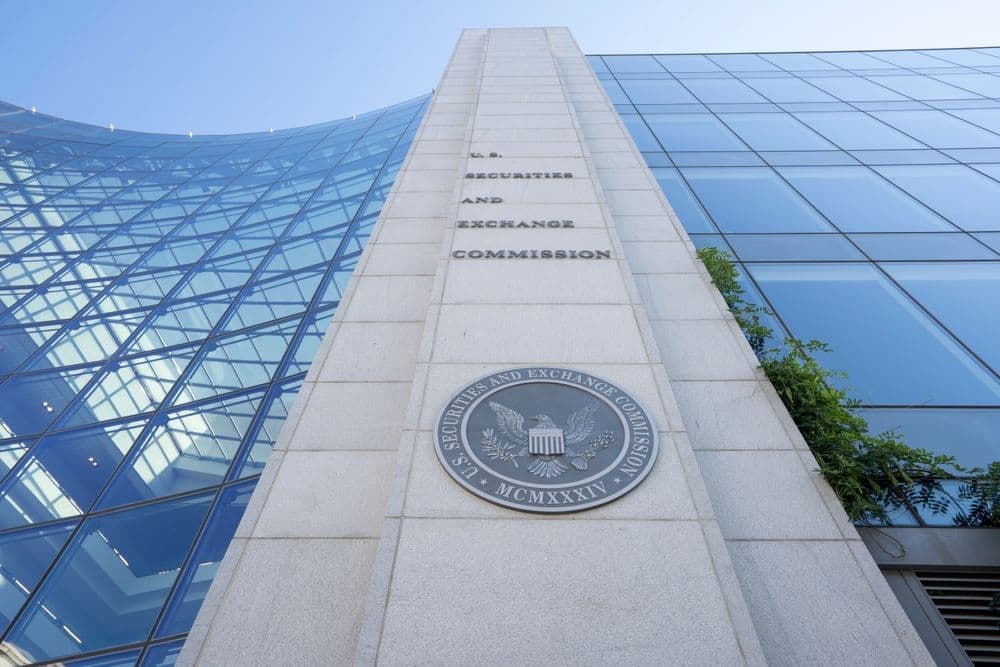
 Historically the SEC has had a tough stance on digital assets, Hester Peirce’s remarks hint that not all cryptocurrencies belong under SEC's grip. [Image Source: Shutterstock]
The U.S. Securities and Exchange Commission (SEC) may not have the authority to regulate most Meme Coins, according to Commissioner Hester Peirce, who is leading the agency’s newly formed Crypto Task Force. Speaking on Tuesday, Peirce suggested that many of these digital assets do not fall under the SEC’s jurisdiction, signaling a more hands-off approach to one of the crypto market’s most volatile sectors.
“If people want to buy a token or product that lacks a clear long-term value proposition, they should feel free but should not be surprised someday if the price drops," Peirce stated, reinforcing the idea that Meme Coins speculation is largely a buyer-beware market rather than an area for regulatory intervention.
Her comments contrast with the SEC’s historical crackdown on digital assets, suggesting that not all cryptocurrencies should be classified as securities. The remarks also raise questions about the agency’s future approach to regulating community-driven, speculative assets like Meme Coins.
Meme Coins: A Legal Gray Area for the SEC
Meme Coins, such as Dogecoin (DOGE), Shiba Inu (SHIB), and PEPE, are typically driven by internet culture, viral trends, and speculative hype rather than traditional financial fundamentals. Unlike most securities, these tokens often lack clear project roadmaps, leadership teams, or intrinsic value, making them difficult to regulate under existing laws.
The SEC applies the Howey Test—a legal standard used to define securities—to determine whether a digital asset falls under its jurisdiction. According to the test, an asset qualifies as a security if it involves:
Since Meme Coins lack centralized teams or direct promises of profit, they often fall outside these criteria. Peirce’s stance suggests that unless a Meme Coin is directly marketed as an investment opportunity, the SEC may not step in.
“Just because something is speculative doesn’t mean it’s within our jurisdiction,” Peirce emphasized, suggesting the agency is more focused on cases involving fraud, deception, or unregistered securities offerings rather than speculative trading of Meme Coins.
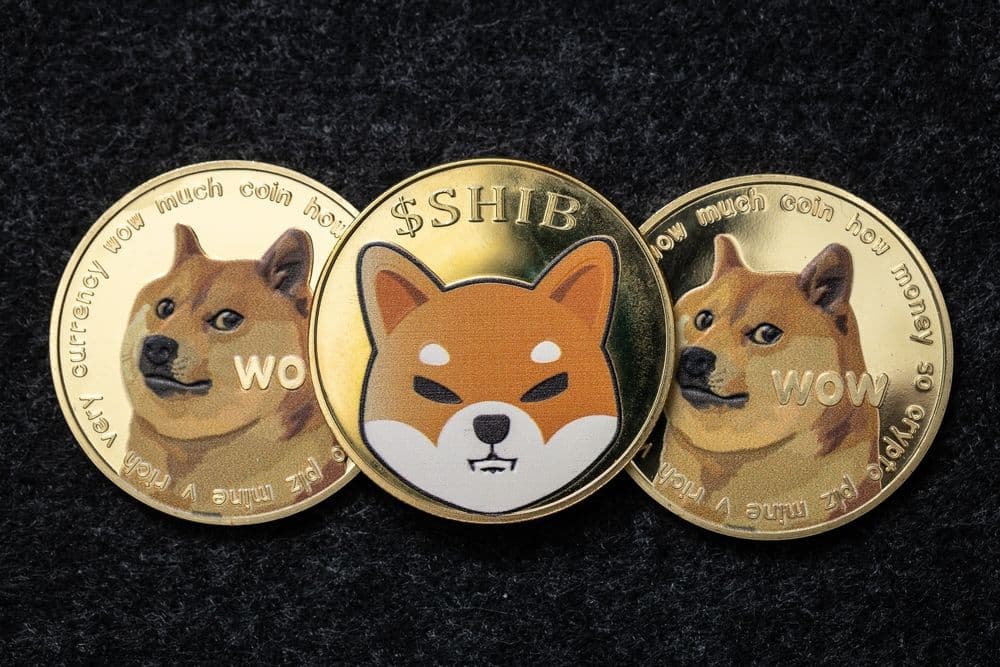 Peirce’s remarks may signal optimism for Meme Coin traders, potentially driving further growth in a market where DOGE and SHIB have risen to multi-billion-dollar valuations despite their playful beginnings. [Image Source: Shutterstock]
What This Means for Crypto Investors
Peirce’s comments could be a positive signal for Meme Coin traders, indicating that the SEC does not intend to aggressively regulate these assets. This could encourage further growth in the sector, which has seen tokens like DOGE and SHIB evolve into multi-billion-dollar markets despite their origins as internet jokes.
However, her statements also serve as a warning to investors. Meme Coins are known for wild price swings, with some tokens losing 99% of their value within weeks. Without regulatory oversight, traders must navigate these markets at their own risk.
“People should have the freedom to take financial risks, but they must also understand that these markets are highly volatile,” Peirce stated. While some Meme Coins have gained long-term traction, many are short-lived pump-and-dump schemes, leaving investors at risk of losing money in projects with little substance.
Shaping the SEC’s Crypto Policy
As head of the SEC’s new Crypto Task Force, Peirce’s approach could mark a shift in the agency’s regulatory focus. The SEC has previously cracked down on projects like Ripple (XRP) and LBRY, arguing they functioned as unregistered securities. However, Peirce’s comments suggest the SEC may prioritize enforcement against projects with centralized teams and fundraising efforts rather than decentralized, community-driven tokens.
Peirce, known for her crypto-friendly stance, has previously criticized the SEC’s “regulation by enforcement” strategy. Her leadership on the Crypto Task Force may lead to a more balanced approach, where the agency targets high-risk cases rather than attempting to police the entire crypto space.
For now, Meme Coins remain in a legal gray area, but Peirce’s statements suggest the SEC will not take a blanket approach to regulating them. However, the agency could still pursue enforcement actions against fraudulent projects or misleading token promotions.
With the Meme Coin market continuing to thrive, investors and developers alike will be watching how U.S. regulators shape the future of crypto oversight. While Peirce’s remarks provide some clarity, the broader debate over crypto regulation is far from settled.

Stay ahead with the latest updates, insights, and trends shaping the world of finance, investment, blockchain, digital business, fintech, technology, and global markets.
